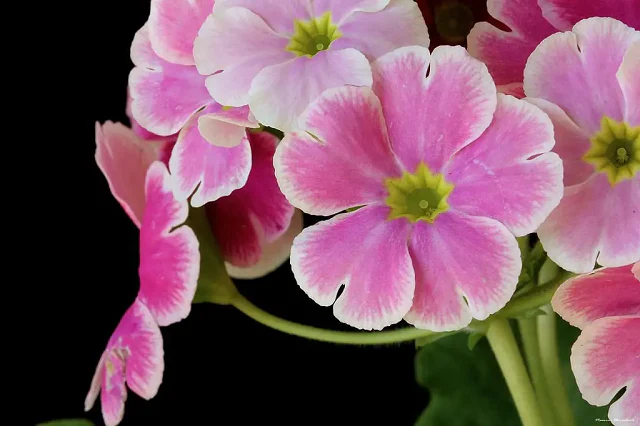
Primrose tea, made from species such as Primula veris (cowslip) and Primula vulgaris (common primrose), is a traditional European herbal infusion valued for its respiratory, calming, and circulatory support. Long used in folk medicine and modern phytotherapy, primrose remains a respected plant when used correctly and in appropriate amounts.
In this article, you’ll learn what primrose tea is used for, its potential benefits, how to prepare it properly, important safety precautions, and additional traditional uses.
⚠️ Disclaimer: This content is for educational purposes only and does not replace professional medical advice.
What Is Primrose?
Primrose refers primarily to Primula veris (commonly called cowslip) and its close relative Primula vulgaris. These perennial herbaceous plants are native to Europe and temperate regions of Asia.
They are easily recognized by their yellow or pale pink flowers, which grow on slender stems 4–10 inches (10–25 cm) tall, while the leaves form low rosettes near the ground. Beyond their ornamental value, both the flowers and roots have a long history of medicinal use.
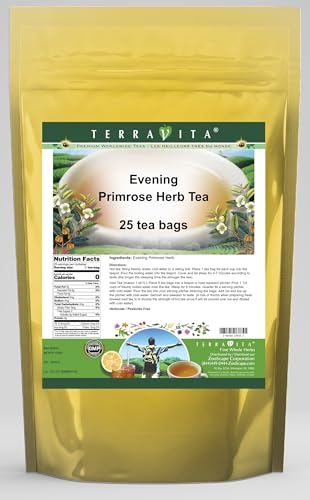
- Evening Primrose Herb Tea (25 tea bags, ZIN: 427610)
- No fillers.
- Manufacturer: TerraVita
Therapeutic Benefits of Primrose Tea
• Expectorant and Respiratory Support
Primrose flowers and roots contain saponins and phenolic compounds that help:
- Thin and loosen mucus
- Ease productive coughs
- Support relief from bronchitis and common colds
For this reason, primrose is commonly included in European herbal formulas for respiratory health.
• Anti-Inflammatory and Mild Analgesic Action
Primrose contains salicylate-related compounds, including primaverin, which contribute to:
- Relief of mild pain
- Reduced inflammation
- Traditional support for rheumatic discomfort
Its mechanism is often compared to the gentle effects of aspirin, though it is much milder.
• Gentle Calming and Nervous System Support
Traditionally, primrose tea has been used to help with:
- Mild anxiety
- Nervous headaches
- Occasional insomnia
This calming effect is attributed to its flavonoids and saponins, which act gently on the nervous system.
• Diuretic and Antioxidant Properties
Primrose provides:
- Vitamin C
- Flavonoids
- Phenolic compounds
Together, these support antioxidant protection and may assist the body’s natural detoxification processes through mild diuretic action.
• Support for Circulatory and Rheumatic Conditions
Historically, primrose was used for:
- Rheumatism
- Gout
- Muscle stiffness
Its traditional role in circulation and joint comfort remains of interest in modern herbal practice.
How to Prepare Primrose Tea
Ingredients
- 1 teaspoon dried primrose flowers or roots
- 1 cup (250 ml) filtered water
Preparation Method (Infusion)
- Bring the water to a boil.
- Turn off the heat and add the primrose.
- Cover and steep for 10–15 minutes.
- Strain and drink warm.
Recommended use:
Up to 2 cups per day.
👉 For more details on infusion vs. decoction and temperature control, see:
How to Prepare Herbal Teas Properly

- This teapot is completely hand crafted, made from heat resistant borosilicate glass, specially designed with non drippin…
- Removable high-grade 18/10 stainless steel mesh infuser filter for loose teas or blooming teas, the lid fits the tea bas…
- This beautiful teapot can be placed directly in the microwave oven or on either gas or electric stove tops, use a medium…
Contraindications and Safety Precautions
Primrose is generally safe when used responsibly, but it is not suitable for everyone.
❌ Avoid use if you:
- Are pregnant or breastfeeding
- Are under 12 years of age
- Have an allergy to aspirin or salicylates
⚠️ High doses may cause:
- Nausea
- Stomach irritation
These effects are mainly related to the plant’s saponin content.
Other Traditional Uses of Primrose
Beyond tea, primrose has been used in several traditional ways:
- Tinctures and extracts for respiratory formulas
- External compresses made from the infusion for sore joints
- Culinary uses: flowers eaten fresh in salads or infused into traditional “primrose wine”
- Aromatic preparations rich in vitamin C and flavonoids
Cultivation and Interesting Facts
- Primrose thrives in cool to temperate climates
- Over 400 species exist within the Primula genus
- Some species, such as Primula auriculata, have been studied for antimicrobial and cytotoxic activity in laboratory settings
- Primula veris and Primula elatior are officially recognized in European pharmacopoeias as reliable medicinal plants
- This decorative mortar and pestle set can also be used as a decor piece on your kitchen counter due to its great craftma…
- Useful Kitchen Tool, Ideal for Cooking, Practical, and Easy to Maintain
- Mortar can easily be made with pestle and crushed garlic, ginger, vanilla, pepper, black cumin, walnut fruits, almonds, …
Explore More Herbal Teas
You may also enjoy:
Prepare your tea the right way
If you plan to use this plant to make tea, use the Nutritive Blog tea infusion timer. Proper infusion time helps preserve active compounds and ensures better results.
Final Thoughts
Primrose tea is a time-honored herbal infusion with gentle yet meaningful benefits for respiratory comfort, relaxation, and circulation. When prepared correctly and consumed in moderation, it can be a valuable addition to a natural wellness routine.
As with all medicinal herbs, responsible use and proper guidance are essential.