Pitanga leaf tea, made from the leaves of Eugenia uniflora, is a traditional herbal infusion widely used in Brazil for its calming, digestive, and cardiovascular benefits. While the pitanga fruit—also known as Surinam cherry—is well known for its bright flavor and vitamin C content, the leaves of the pitanga tree hold some of its most valuable medicinal properties.
In this article, you’ll learn what pitanga leaf tea is used for, its main health benefits, how to prepare it properly, recommended uses, and important safety considerations.
⚖️ Disclaimer: This content is for educational purposes only and does not replace professional medical advice.
What Is the Pitanga Tree?
The pitanga tree (Eugenia uniflora) is a fruit-bearing plant from the Myrtaceae family, the same family as guava and jambolan. Native to Brazil’s Atlantic Forest, it is now cultivated in tropical and subtropical regions around the world.
While the fruit is widely consumed, the leaves are traditionally used in herbal medicine, especially in teas and infusions. When crushed, the leaves release a strong, clove-like aroma due to the presence of eugenol, a compound largely responsible for the plant’s therapeutic effects.

- 【4 Preset Programs, 11 Custom Temperatures】Topwit electric kettle has 4 smart preset programs including Boiling Water, T…
- 【Removable Tea Infuser】Topwit electric tea kettle comes with a built-in tea infuser, allow you to put the tea leaves dir…
- 【Food Grade Material】Topwit tea maker is made with 304 stainless steel and the finest quality borosilicate glass, which …
Medicinal Properties of Pitanga Leaves
Pitanga leaves are rich in several bioactive compounds, including:
- Eugenol – anti-inflammatory and antimicrobial action
- Flavonoids – antioxidant and cellular protection
- Tannins – astringent and anti-inflammatory properties
- Essential oils – calming and relaxing effects
These compounds make pitanga leaf tea a versatile herbal remedy.
What Is Pitanga Leaf Tea Used For?
1. Stress and Anxiety Relief
Pitanga leaf tea has mild calming properties, helping reduce stress, nervousness, and restlessness. It is commonly consumed in the evening to promote relaxation and improve sleep quality, especially in cases of mild insomnia.
Related reading:
Chamomile Tea: Uses and How to Prepare
2. Blood Pressure Support
Traditional use and preliminary research suggest that pitanga leaves may help support healthy blood pressure levels by promoting gentle vasodilation.
⚠️ People using blood pressure medication should consult a healthcare professional before use.
3. Anti-Inflammatory Support
Thanks to its eugenol content, pitanga leaf tea may help relieve mild inflammation, including muscle discomfort, intestinal irritation, and minor inflammatory skin conditions.
You may also enjoy:
Guaco Tea: Respiratory and Anti-Inflammatory Support

- 【Stovetop Safe】Lead-free, free of any metals and toxins. Our glass teapot are made of borosilicate lead-free glass that …
- 【Removable Infuser】This glass teapot has a removable glass infuser. This infuser is made of 18/8 stainless steel and has…
- 【Ergonomic Design】The glass tea kettle is specially designed for one-handed operation. This glass tea pot is designed li…
4. Antimicrobial Properties
Pitanga leaf tea shows activity against certain bacteria and may support oral health, immune defenses, and protection against mild infections.
5. Digestive Comfort
The tea has gentle digestive effects and may help ease:
- Indigestion
- Gas and bloating
- Mild stomach cramps
How to Make Pitanga Leaf Tea Properly
The best method for preparing pitanga leaf tea is infusion, which is ideal for delicate leaves.
Ingredients
- 1 tablespoon dried pitanga leaves
or - 5 fresh pitanga leaves
- 1 cup (200 ml) filtered water
Preparation Method (Infusion)
- Heat the water until it just begins to boil.
- Turn off the heat and add the leaves.
- Cover and steep for 10 minutes.
- Strain and drink warm, preferably without sugar.
👉 Learn more here:
How to Prepare Herbal Teas Correctly (Infusion vs. Decoction)
How to Use Pitanga Leaf Tea
- For stress or sleep: 1 cup in the evening
- For blood pressure support: up to 2 cups daily for short periods, with guidance
- For digestion: 1 cup after heavy meals
Avoid excessive intake, as overuse may lead to unwanted effects.
Contraindications and Safety Notes
Although generally considered safe when used properly, pitanga leaf tea should be avoided or used cautiously in the following cases:
- Pregnancy and breastfeeding (avoid unless approved by a healthcare provider)
- Young children, unless advised by a professional
- Low blood pressure, as the tea may further lower it
Always follow recommended amounts and avoid long-term continuous use without guidance.
Interesting Facts About the Pitanga Tree
- The name “pitanga” comes from the Tupi word pi’tãg, meaning “red.”
- Pitanga leaves are also used in calming herbal baths.
- Pitanga essential oil is valued in natural perfumery and artisanal soaps.
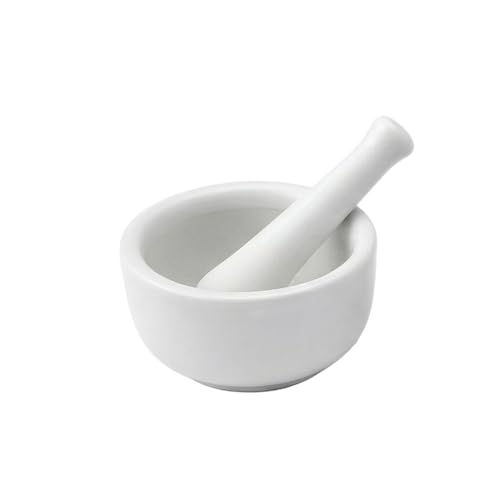
- HIC Kitchen Small Mortar And Pestle Set: Grinds spices, herbs, nuts, seeds, and pills into fine paste or powder; perfect…
- Durable Fine Porcelain: Mortar measures 2.75 x 1.5-inches, pestle measures 2.875-inches; sturdy porcelain construction d…
- Compact And Versatile: Ideal for spice blends, curry pastes, spreads, herbal remedies, nut butters, and pulverizing hard…
Herbs That Combine Well with Pitanga Leaf Tea
Pitanga leaves can be blended with other herbs to enhance effects:
Final Thoughts
Pitanga leaf tea is a gentle yet effective herbal infusion that supports emotional balance, digestion, and cardiovascular wellness. When prepared correctly and consumed in moderation, it can be a valuable addition to a natural wellness routine.
Prepare your tea the right way
If you plan to use this plant to make tea, use the Nutritive Blog tea infusion timer. Proper infusion time helps preserve active compounds and ensures better results.
Author Box

Written by Alexandre Zorek, graduate in Business Administration and postgraduate in Botany.
Passionate about orchids, photography, and natural nutrition, and proud father of Bianca and Beatriz, he shares reliable and practical knowledge about plants, fruits, teas, and vegetables.