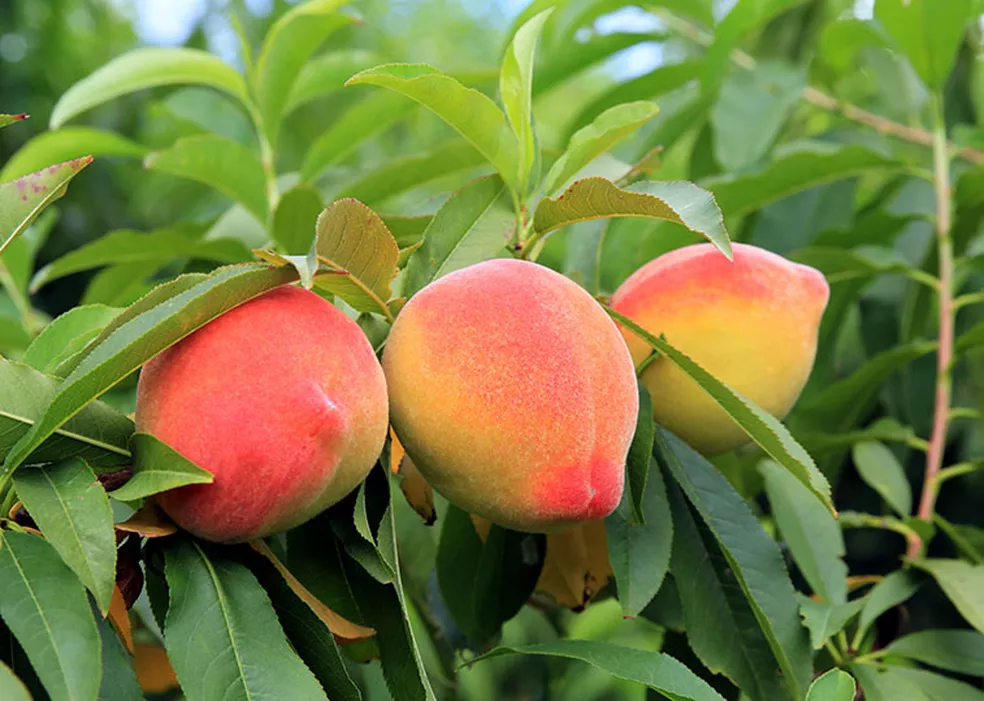
Peaches (Prunus persica) are widely loved for their sweet flavor and juicy texture, commonly enjoyed fresh or used in desserts, juices, and preserves. What many people don’t realize, however, is that peach tree leaves have also been used traditionally in herbal medicine, especially when prepared as a therapeutic tea.
Rich in antioxidants and bioactive compounds, peach leaf tea has long been valued in traditional practices for its calming, digestive, and mild diuretic properties. When used correctly and in moderation, it can support overall well-being as part of a natural wellness routine.
In this article, you’ll learn about the main benefits of peach leaf tea, how to prepare it properly, safety considerations, and who should avoid it. You’ll also find suggestions for related herbal content to deepen your understanding of natural teas.
⚖️ Important notice: This content is for informational purposes only and does not replace professional medical advice.
What Is Peach and Where Does It Come From?
The peach is the fruit of the peach tree (Prunus persica), a member of the Rosaceae family. Although strongly associated with Europe and the Americas today, the peach tree originated in China, where it has been cultivated for thousands of years. From there, it spread through Persia (which inspired its scientific name) and later throughout Europe and the Americas.
Peach trees thrive in temperate climates and are widely cultivated in the United States, particularly in states such as Georgia, California, and South Carolina.
While the fruit is the most commonly consumed part, the leaves, bark, and flowers of the peach tree have a long history of use in traditional herbal practices, especially for digestive comfort, relaxation, and fluid balance.
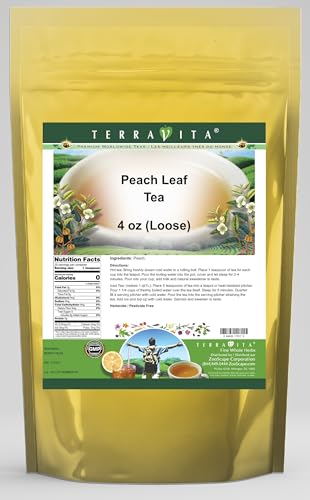
- Peach Leaf Tea (Loose) (4 oz, ZIN: 517017)
- No fillers.
- Manufacturer: TerraVita
Bioactive Compounds Found in Peach Leaves
Peach leaves contain several naturally occurring compounds that explain their traditional uses:
- Flavonoids – antioxidants that help neutralize free radicals
- Tannins – astringent compounds with anti-inflammatory and soothing effects
- Cyanogenic glycosides – compounds that require careful dosing, as excessive intake may be toxic
- Chlorogenic acid – known for antioxidant and anti-inflammatory activity
- Vitamins A, C, and B-complex
Because of this composition, peach leaf tea should always be prepared and consumed responsibly.
Health Benefits of Peach Leaf Tea
1. Mild Calming Effect
Peach leaf tea has traditionally been used as a gentle calming infusion, helping to ease:
- Occasional anxiety
- Stress-related tension
- Mild sleep disturbances
It is often chosen by people looking for a natural, non-habit-forming way to relax, especially in the evening.
2. Digestive Support
The naturally bitter compounds in peach leaves may help stimulate digestive secretions, supporting:
- Better digestion
- Relief from mild nausea
- Reduced sensation of stomach heaviness after meals
3. Gentle Diuretic Action
Peach leaf tea has a mild diuretic effect, which may assist with:
- Reducing fluid retention
- Supporting natural detox processes
- Promoting urinary flow
This makes it a traditional choice in short-term detox or wellness routines.
4. Anti-inflammatory Properties
Thanks to flavonoids and tannins, peach leaf tea may help support the body’s natural inflammatory response and has been used traditionally for:
- Mild muscle discomfort
- Intestinal irritation
- Skin-related inflammation (when used externally)
5. Immune System Support
The antioxidant profile of peach leaves, along with vitamin C, contributes to immune support, helping the body defend itself against seasonal challenges when combined with a balanced diet and healthy lifestyle.
How to Prepare Peach Leaf Tea
To preserve the beneficial compounds in peach leaves, infusion is the preferred method, using hot—but not aggressively boiled—water.
Ingredients
- 1 tablespoon dried peach leaves
(or 2 tablespoons fresh leaves) - 1 cup (240 ml) filtered water
Preparation Method (Infusion)
- Bring the water to a boil, then turn off the heat.
- Add the peach leaves to the hot water.
- Cover and let steep for 10–15 minutes.
- Strain and drink warm, preferably without sweeteners.
👉 For a deeper understanding of infusion temperatures and methods, see:
How to Prepare Herbal Teas Correctly

- 【Stovetop Safe】Our glass teapot are made of borosilicate lead-free glass that is scratch resistant and can withstand tem…
- 【Removable Infuser】This glass teapot has a removable glass infuser. This infuser is made of 18/8 stainless steel and has…
- 【Ergonomic Design】The glass tea kettle is specially designed for one-handed operation. This glass tea pot is designed li…
Safety Notes and Contraindications
Peach leaf tea should be used with caution and moderation:
- Do not use continuously or in large quantities, due to cyanogenic glycosides
- Pregnant or breastfeeding women should avoid use unless advised by a healthcare professional
- People with liver conditions or those taking prescription medications should consult a professional before use
- Never replace medical treatment with herbal teas without proper guidance
Always follow recommended quantities and avoid long-term daily use.
Other Traditional Uses of Peach Leaves
In addition to tea, peach leaves have been used traditionally for:
- Herbal baths – to soothe mild skin irritation or itching
- Compresses – applied to inflamed or irritated skin
- Steam inhalation – using fresh leaves to help ease nasal congestion
These uses are cultural and traditional, not medical treatments.
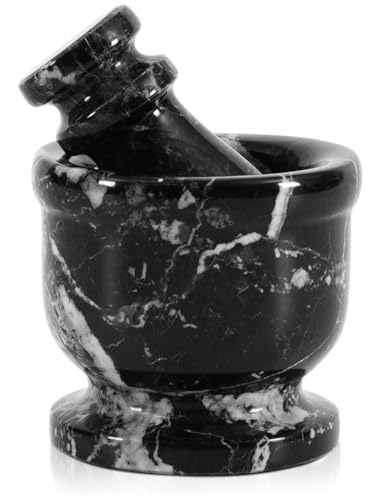
- WHAT IS INCLUDED – 1x Mortar and Pestle. Comes along with the RADICALn secure and fragile packaging.
- MATERIAL – It is made of high-quality natural marble.
- SIZE – HEIGHT: 2.5″ Inches & WIDTH: 2.5″ Inches
Explore More Herbal Teas for Digestion and Relaxation
If you enjoy learning about natural teas, you may also like:
- Mint Tea: Benefits and How to Prepare
- Chamomile Tea: A Natural Calming Classic
- Brazilian Lemon Balm Tea: Traditional Relaxation Support
- Melissa (Lemon Balm) Tea: Uses and Preparation
Final Thoughts
Peach leaf tea is a lesser-known but traditionally valued herbal infusion that offers gentle support for relaxation, digestion, and overall balance. While it should never be overused, when prepared correctly and consumed mindfully, it can be a pleasant and functional addition to a natural wellness routine.
As with all medicinal plants, respect for dosage and contraindications is essential.
Prepare your tea the right way
If you plan to use this plant to make tea, use the Nutritive Blog tea infusion timer. Proper infusion time helps preserve active compounds and ensures better results.
About the Author

Alexandre Zorek holds a degree in Business Administration and a postgraduate specialization in Botany. Passionate about orchids, photography, and natural foods — and father to Bianca and Beatriz — he shares clear, trustworthy knowledge on plants, fruits, teas, and vegetables in a practical and approachable way.