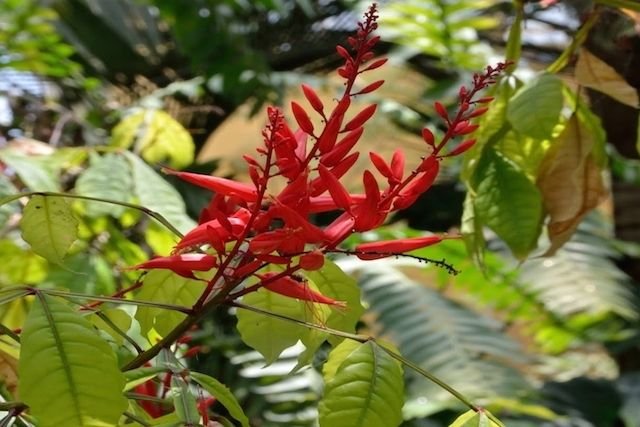
Pau-tenente (Guatteria australis) is a medicinal tree native to Brazil that has been used for centuries in traditional herbal medicine, especially in southeastern and central regions of the country. Known for its digestive, anti-inflammatory, and liver-supporting properties, pau-tenente tea has gained increasing attention among natural health practitioners and herbal tea enthusiasts.
If you’re looking for a natural option to support liver function, digestion, and intestinal balance, this guide will walk you through everything you need to know.
⚖️ Important notice: This content is for informational purposes only and does not replace professional medical advice.
What Is Pau-Tenente (Guatteria australis)?
Pau-tenente is a medium-sized tree from the Annonaceae family, the same botanical family as soursop (Annona muricata). In traditional Brazilian herbalism, the bark, leaves, and roots are used medicinally — with the bark being the most valued part due to its higher concentration of active compounds.
Historically, pau-tenente has been used to support:
- Liver disorders
- Poor digestion
- Constipation
- Internal inflammation
- General vitality and detox support

- FAST BOILING: Chefman kettles boil water fast. Boil your water for as little as 3 minutes for tea, hot chocolate, pour-o…
- VARIABLE HEAT SETTINGS: Custom temperature control includes seven presets with boiling temps ranging from 160-212°F for …
- TRI-COLOR LED LIGHTS: Easily see when your glass teapot with infuser is in standby mode (white lights), heating mode (re…
Main Benefits of Pau-Tenente Tea
1. Supports Liver Health
Pau-tenente is widely recognized as a natural hepatoprotective plant, meaning it may help protect liver cells from damage caused by toxins, medications, or poor dietary habits. Traditionally, it has been used as supportive care in cases of fatty liver (hepatic steatosis) and mild liver inflammation.
⚠️ Pau-tenente tea should never replace medical treatment for liver disease.
2. Improves Digestion
The bitter compounds present in pau-tenente bark stimulate:
- Bile production
- Digestive enzymes
- Gastric secretions
This makes the tea especially useful after heavy meals or for individuals who experience frequent indigestion, bloating, or sluggish digestion.
3. Helps Relieve Constipation
Pau-tenente tea has a mild laxative effect, helping regulate bowel movements without causing harsh intestinal irritation. It is commonly used as a gentle, short-term option for constipation.
4. Anti-Inflammatory Properties
Research and traditional use suggest that compounds found in pau-tenente may help reduce low-grade inflammation, making it potentially beneficial for:
- Mild joint discomfort
- Inflammatory digestive conditions
- Gastric irritation
5. Mild Diuretic Action
Pau-tenente also acts as a natural diuretic, supporting the elimination of excess fluids and metabolic waste. This may help reduce water retention and support kidney and circulatory health.
Active Compounds in Pau-Tenente
The bark of Guatteria australis contains several bioactive substances, including:
- Alkaloids
- Triterpenes
- Flavonoids
- Phenolic compounds
- Tannins
These compounds are responsible for the plant’s digestive, liver-supporting, and anti-inflammatory effects.
How to Prepare Pau-Tenente Tea
Because pau-tenente is a woody plant, the decoction method is the most effective way to extract its active compounds.
Ingredients
- 1 tablespoon dried pau-tenente bark
- 500 ml (about 2 cups) filtered water
Preparation Method (Decoction)
- Place the bark and water in a pot.
- Bring to a boil and simmer for 10–15 minutes with the lid partially closed.
- Turn off the heat and let it rest for another 10 minutes.
- Strain and drink warm.
Recommended Use
- 1–2 cups per day
- Preferably before main meals
👉 To better understand infusion vs. decoction and other herbal preparation techniques, read:
How to Prepare Herbal Teas Correctly

- REDEFINE YOUR BREWING PROCESS- Made from premium grade borosilicate high heat resistant glass, our glass teapot is 100% …
- SAFE & EASY TO USE: The Hiware Glass Teapot with Mesh Infuser boasts a minimal design and in a breeze to use. It can be …
- FANTASTIC CHOICE- Our teapot comes in an elegant shape and assures the best quality, making it an ideal gift choice, no …
Contraindications and Safety Considerations
Despite its benefits, pau-tenente must be used responsibly.
Avoid or use only under professional supervision if you:
- Are pregnant or breastfeeding
- Are under 12 years old
- Plan long-term use (more than 30 consecutive days)
- Have liver, kidney, or gastrointestinal conditions
- Take medications affecting the liver, kidneys, or intestines
Excessive or prolonged use may cause gastric irritation or unnecessary liver stress.
Always consult a qualified healthcare professional or herbal practitioner before use.
Other Traditional Forms of Use
In addition to tea, pau-tenente may also be found as:
- Herbal tincture (alcohol extract), used in drops
- Powdered bark, encapsulated or mixed into beverages
- Topical compresses or baths, for muscle or joint discomfort
All alternative uses should follow professional guidance.
Interesting Facts About Pau-Tenente
- The name “pau-tenente” refers to the hardness and rigidity of its wood
- It has deep roots in rural and Indigenous Brazilian medicine
- It is sometimes confused with other native trees, such as pau-ferro, but has distinct medicinal properties
Conclusion: Is Pau-Tenente Tea Worth Trying?
Pau-tenente is one of Brazil’s hidden gems in traditional herbal medicine. Its long-standing use for liver support, digestion, and intestinal balance makes it a valuable option when used carefully and for short periods.
If you’re seeking a natural ally for digestive and liver wellness, pau-tenente tea may be worth exploring — always with moderation and professional guidance.

- WHAT’S INCLUDED – 2.5 INCH MORTAR AND PESTLE SET: One hand-carved marble mortar and one matching pestle, delivered in RA…
- NATURAL GREEN ONYX MARBLE – Carved from a solid block of stone with unique veining and warm caramel banding, so no two s…
- MULTIPURPOSE GRINDER – One tool works as a spice grinder, herb grinder, garlic crusher and pill crusher. Break down pepp…
You May Also Like
- How to Prepare Herbal Teas Correctly
- Mulberry Leaf Tea: Benefits and Preparation
- Cascara Sagrada: A Natural Laxative Explained
- Chamomile Tea: Gentle Digestive and Calming Support
Prepare your tea the right way
If you plan to use this plant to make tea, use the Nutritive Blog tea infusion timer. Proper infusion time helps preserve active compounds and ensures better results.
Author Box

Written by Alexandre Zorek
Graduate in Business Administration and postgraduate in Botany. A passionate lover of orchids, photography, and natural foods — and father of Bianca and Beatriz — Alexandre shares reliable, practical knowledge about plants, fruits, teas, and vegetables to support everyday wellness.