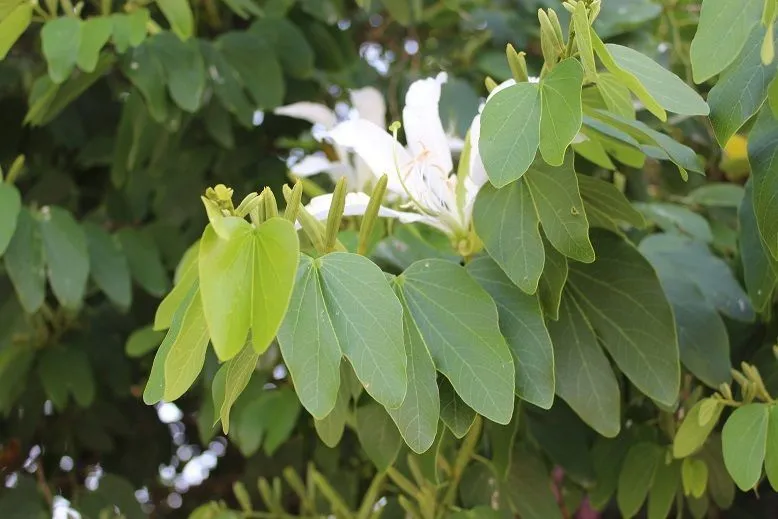
Cow’s foot (Bauhinia forficata) is a Brazilian medicinal plant widely recognized for its traditional use in blood sugar management and metabolic health. The plant gets its popular name from the unique shape of its leaves, which resemble a cow’s hoof. For generations, it has been valued by traditional communities and herbal practitioners across South America.
In this article, you’ll learn about the main benefits of cow’s foot leaf tea, how to prepare it properly, recommended intake, and important safety considerations for responsible use.
⚖️ Important notice: This content is for informational purposes only and does not replace professional medical advice.
What Is Cow’s Foot (Bauhinia forficata)?
Cow’s foot is a medium-sized tree from the Fabaceae (legume) family, native to South America and especially common in Brazil. It grows well in tropical and subtropical climates and produces showy flowers along with its distinctive bilobed leaves, which resemble a split hoof.
The leaves are rich in bioactive compounds, including flavonoids, tannins, alkaloids, triterpenes, and glycosides, which explain its long-standing use in herbal medicine.
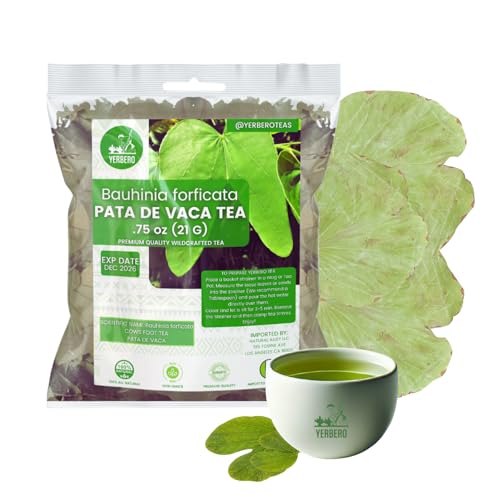
- 🌿 Premium Quality: Savor the finest Pata de Vaca leaves, meticulously chosen for the best herbal tea experience.
- 🍃 Fresh & Natural: Enjoy the pure, unadulterated goodness of Bauhinia Forficata, crafted by Nature100% for a truly natur…
- 🌱 Non-GMO & Gluten-Free: Indulge in a healthy cup of tea, free from genetic modifications and gluten, suitable for all d…
Main Benefits of Cow’s Foot Leaf Tea
1. Blood Sugar Support
The most well-known traditional use of cow’s foot leaf tea is to support healthy blood glucose levels. Research and traditional practice suggest that its active compounds may help reduce blood sugar levels, making it a popular complementary option for people with type 2 diabetes.
⚠️ Important: Cow’s foot tea does not replace prescribed diabetes medication. Its use should always be monitored by a healthcare professional.
2. Antioxidant Protection
The flavonoids present in cow’s foot leaves have antioxidant activity, helping neutralize free radicals and supporting cellular health. This may contribute to protection against premature aging and chronic inflammatory conditions.
3. Mild Diuretic Effect
Cow’s foot leaf tea has a gentle diuretic action, which may help reduce fluid retention and support kidney function. This effect can also indirectly assist in maintaining healthy blood pressure levels.
4. Cholesterol Balance
Some studies suggest that compounds found in Bauhinia forficata may help lower LDL (“bad”) cholesterol and support HDL (“good”) cholesterol levels, contributing to cardiovascular health.
5. Urinary Tract Support
Due to its diuretic and anti-inflammatory properties, cow’s foot tea is traditionally used in cases of mild urinary discomfort and fluid retention.
How to Prepare Cow’s Foot Leaf Tea
Proper preparation is essential to preserve the plant’s therapeutic compounds.
Ingredients
- 1 tablespoon dried cow’s foot leaves
- 500 ml (about 2 cups) filtered water
Preparation Method (Infusion)
- Bring the water to a boil, then turn off the heat.
- Add the dried cow’s foot leaves.
- Cover and steep for 10–15 minutes.
- Strain and serve.
👉 For a deeper understanding of infusion methods, water temperature, and herbal preparation techniques, see:
How to Prepare Herbal Teas Correctly

- ❤ TEAPOTS FOR STOVE TOP: This teapot kettle is made with high quality borosilicate glass. Heat-resistance from -20 to 15…
- ❤ TEAPOT WITH INFUSER: This tea kettle has a removable infuser, which made with food grade 304 stainless steel, very saf…
- ❤ THICK & DURABLE GLASS TEAPOT: The teapot made with 4mm thick clear glass, beautiful and durable. And it designed with …
How to Consume
- Recommended intake: 2 to 3 cups per day
- Best time: Between meals
- Duration: Do not use continuously for more than 30 days without professional guidance
Side Effects and Contraindications
Although natural, cow’s foot leaf tea requires caution.
Avoid or use only under professional supervision if you:
- Take blood sugar–lowering medications (may enhance their effects)
- Are not diabetic (risk of hypoglycemia)
- Are pregnant or breastfeeding
- Are a child
- Have kidney disease or impaired renal function
Possible side effects include low blood sugar, dizziness, or weakness if consumed improperly.
Other Traditional Uses
Beyond tea, cow’s foot leaves have been traditionally used in:
- Herbal baths
- Warm compresses for skin support
Topical use should also be guided by a qualified professional.
Important Tip on Plant Identification
Always purchase cow’s foot leaves from reliable, certified sources that guarantee correct botanical identification. Several Bauhinia species look similar, but only Bauhinia forficata is traditionally used for glycemic support.

- Handy Kitchen Tool – Enjoy the rich flavors of fresh ground spices, paste, or herbs with our grinder mortar pestle set. …
- Crafted to Last – Made of solid marble stone, our molcajete bowl won’t easily break or crack even with frequent use. The…
- Beautiful Pill Crusher Set – The stone mortar and pestle are all white with gray accents and a smooth outer finish. This…
Conclusion
Cow’s foot leaf tea is a valuable herbal ally, particularly for metabolic health and blood sugar support. When prepared correctly and used responsibly, it can complement a healthy lifestyle. However, due to its physiological effects, it should never be used as a substitute for medical treatment or without proper guidance.
You May Also Like
- Jambolan Leaf Tea: Benefits and Preparation
- Guava Leaf Tea: Traditional Uses and Safety
- Hibiscus Tea: How to Prepare and Use It Safely
Prepare your tea the right way
If you plan to use this plant to make tea, use the Nutritive Blog tea infusion timer. Proper infusion time helps preserve active compounds and ensures better results.
Author Box

Written by Alexandre Zorek
Graduate in Business Administration and postgraduate in Botany. A passionate lover of orchids, photography, and natural foods — and father of Bianca and Beatriz — Alexandre shares reliable, practical knowledge about plants, fruits, teas, and vegetables to support everyday wellness.