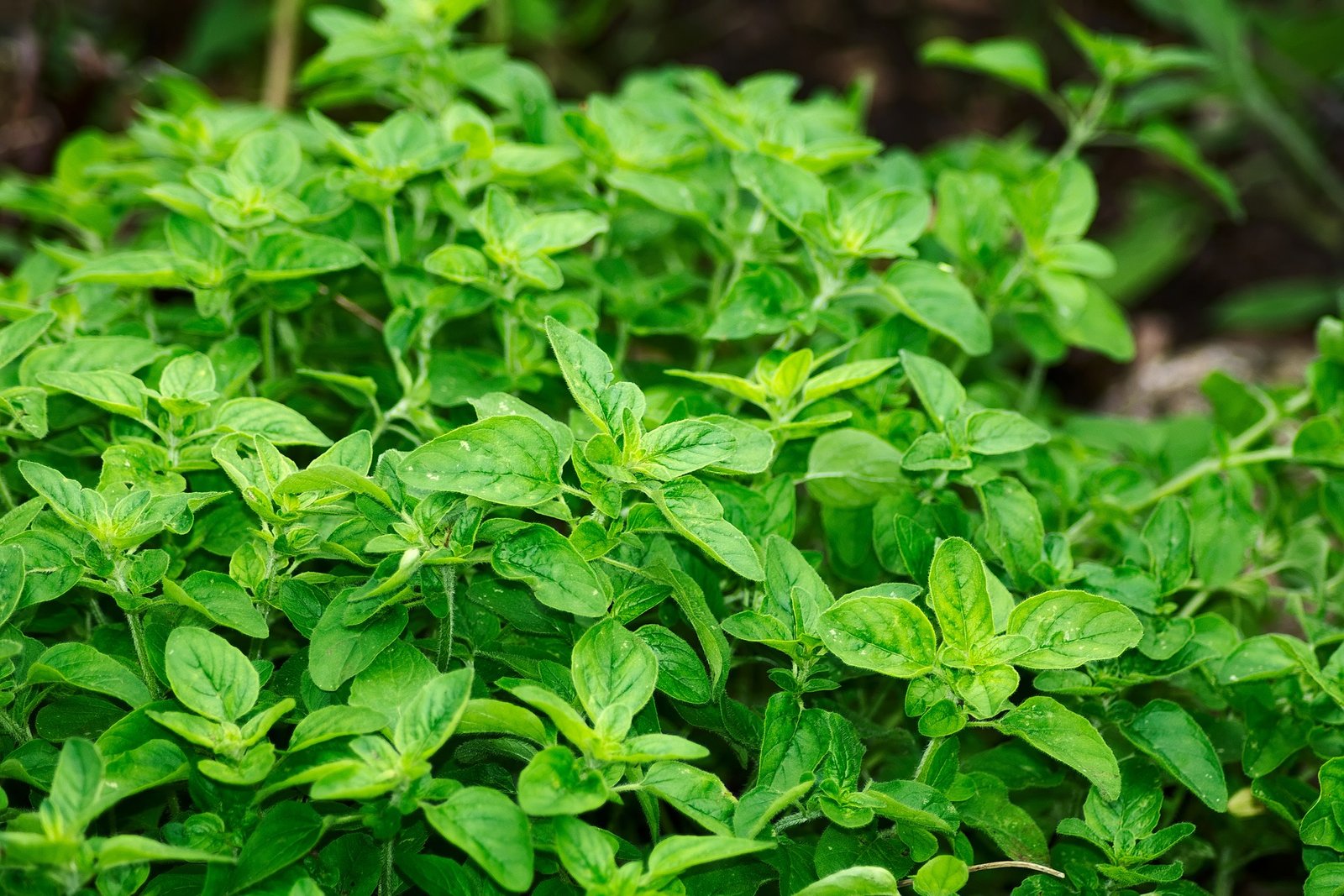
Oregano tea is a traditional herbal infusion that has crossed generations and cultures. Widely known as a staple herb in Mediterranean cuisine, oregano has also earned its place in home remedies and herbal traditions, especially for its aromatic warmth and comforting qualities.
Over time, oregano (Origanum vulgare) has gone far beyond its role as a pizza or tomato sauce seasoning. When used as a tea, its intense, slightly peppery aroma creates a beverage that feels soothing, familiar, and grounding — especially during colder months.
In this article, you’ll learn about the traditional benefits, culinary curiosities, popular uses, a simple oregano tea recipe, storage and growing tips, and a helpful FAQ to guide you in safely enjoying this aromatic herb.
⚖️ Important notice: This content is for educational purposes only and does not replace professional medical or nutritional advice.
Nutritional Profile of Oregano (100 g, dried leaves)
Source: USDA – FoodData Central
| Nutrient | Amount per 100 g |
|---|---|
| Energy | 265 kcal |
| Carbohydrates | 68.9 g |
| Protein | 9.0 g |
| Total Fat | 4.3 g |
| Dietary Fiber | 42.5 g |
| Calcium | 1,570 mg |
| Iron | 36.8 mg |
| Magnesium | 270 mg |
| Potassium | 1,260 mg |
| Zinc | 2.7 mg |
| Vitamin A (RAE) | 85 µg |
| Vitamin K | 621 µg |
| Vitamin C | 2.3 mg |
📌 Note: These values refer to 100 g of dried oregano — far more than what is used in a single cup of tea (usually 1–3 g).
Benefits and Culinary Curiosities
Oregano tea is best known for its bold aroma and comforting character, often associated with home cooking and family traditions. Its use may offer:
- Digestive comfort: Traditionally enjoyed after meals as a warm, aromatic beverage.
- Rich sensory experience: The steam releases volatile compounds that evoke Mediterranean kitchens.
- Natural plant compounds: Oregano contains polyphenols and aromatic oils that give it a strong, distinctive flavor.
- Cultural value: In many households, it’s consumed more for warmth, aroma, and habit than for targeted effects.
💡 Did you know? In Ancient Greece, oregano was called the “herb of joy,” and infusions made from its leaves were part of welcoming and celebratory rituals.
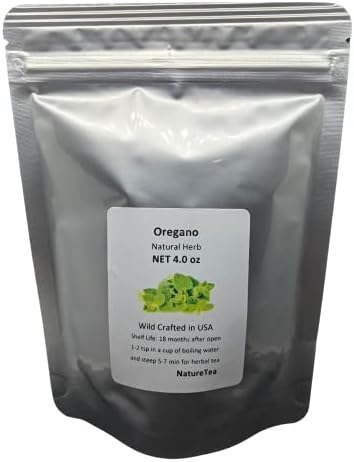
- Premium Loose Leaf – Rubbed- from 100% Nature
Traditional and Popular Uses
Daily Herbal Tea
In Mediterranean countries, oregano tea is often served after meals as a cultural digestive beverage.
In Brazil and other regions, it appears in home traditions, especially during colder weather.
Beyond the Teacup
- Used in aromatic steam or herbal baths for its fragrance.
- Commonly blended with other herbs such as chamomile or mint to create personalized, aromatic teas.
⚠️ These uses are part of culinary and cultural traditions and should not be interpreted as medical treatment.
Simple Oregano Tea Recipe
Yield: 1 cup (200 ml)
Preparation time: 10 minutes
Ingredients
- 1 teaspoon (about 2 g) dried oregano
- 200 ml (1 cup) filtered water
- Honey or lemon (optional, for flavor)
Preparation
- Heat the water until it just begins to boil.
- Turn off the heat and add the dried oregano.
- Cover and let steep for 5–7 minutes.
- Strain and enjoy warm.
📌 Tip: Dried oregano releases more aroma than fresh. For a milder tea, reduce steeping time.
👉 Learn more about infusion techniques:
How to Prepare Herbal Teas Correctly

- This teapot is completely hand crafted, made from heat resistant borosilicate glass, specially designed with non drippin…
- Removable high-grade 18/10 stainless steel mesh infuser filter for loose teas or blooming teas, the lid fits the tea bas…
- This beautiful teapot can be placed directly in the microwave oven or on either gas or electric stove tops, use a medium…
Culinary and Personal Care Uses
- Culinary: Oregano also flavors olive oil, sauces, marinades, and homemade bread.
- Personal care: In some traditional contexts, the infusion is used in aromatic baths or handmade soaps.
⚠️ Caution: Oregano essential oil is highly concentrated and should never be ingested or applied to the skin undiluted without professional guidance.
Storage and Home Growing Tips
Storage
- Keep dried oregano in an airtight container, away from light and moisture.
- Always use a clean, dry spoon.
- Average shelf life: 6–9 months after opening.
Growing Oregano at Home
- Sun: Full sun (at least 5 hours/day).
- Soil: Light, fertile, and well-drained.
- Watering: Moderate; allow topsoil to dry slightly between watering.
- Harvesting: Trim the tips regularly to encourage new growth.
Precautions and Contraindications
- Consume oregano tea in moderate amounts.
- Individuals sensitive to essential oils or with allergies should limit use.
- Pregnant or breastfeeding individuals should consult a healthcare professional before regular consumption.
Frequently Asked Questions (FAQ)
1) Does oregano tea help with weight loss?
No. It may be part of a balanced lifestyle but is not a weight-loss tea.
2) What’s the difference between fresh and dried oregano?
Dried oregano is more concentrated in flavor, so smaller amounts are used.
3) Can I drink oregano tea every day?
Occasional consumption in small amounts is generally preferred.
4) Can oregano be combined with other herbs?
Yes. It pairs well with chamomile, mint, and fennel in aromatic blends.
5) Does oregano tea contain caffeine?
No. Oregano tea is naturally caffeine-free.

- Create Flavorful Dishes – Bring out the full flavors and aromas of your ingredients with our stone mortar and pestle set…
- A Versatile Mixing Tool – Crush and mash different types of seasonings in our grinding bowl. With its 8oz capacity, it i…
- Solid & Durable – You can count on our stone pestle and mortar to last many years. Made from solid granite, the 5-lb her…
Prepare your tea the right way
If you plan to use this plant to make tea, use the Nutritive Blog tea infusion timer. Proper infusion time helps preserve active compounds and ensures better results.
Conclusion
Oregano tea is a traditional beverage valued for its bold aroma, comforting warmth, and cultural significance. More than a culinary herb turned infusion, it represents a food tradition centered on flavor, simplicity, and everyday well-being.
👉 Continue exploring the Nutritive Blog:
- Bay Leaf Tea: Benefits and How to Prepare It
- Maytenus Tea: Traditional Uses and Preparation
- How to Prepare Natural Herbal Teas
⚖️ This article is for informational purposes only and does not replace professional medical or nutritional advice.
Author Box

Written by Alexandre Zorek
Graduate in Business Administration and postgraduate in Botany. A passionate lover of orchids, photography, and natural foods — and father of Bianca and Beatriz — Alexandre shares reliable, practical knowledge about plants, fruits, teas, and vegetables to support everyday wellness.