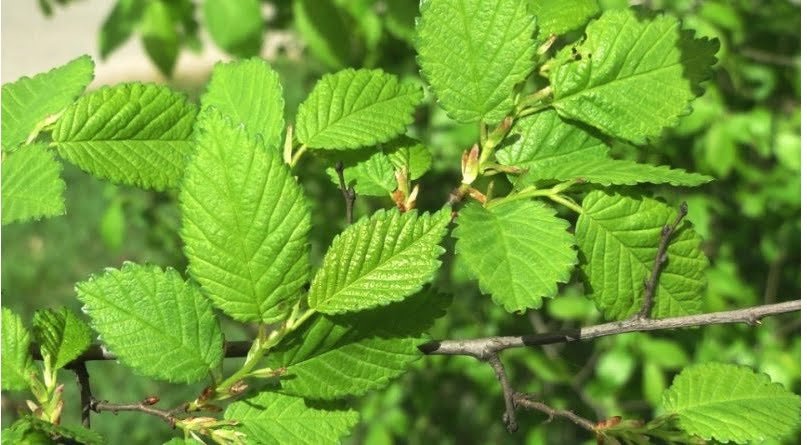
Slippery elm (Ulmus rubra) is a tree native to North America and has been used for centuries in traditional Native American medicine. The inner bark of the tree is especially valued for its soothing, protective, and healing properties. Today, slippery elm tea is widely recognized in natural health circles for supporting digestion, calming irritated tissues, and promoting overall gastrointestinal comfort.
In this guide, you’ll learn about the main benefits of slippery elm tea, how to prepare it correctly, its traditional uses, and important precautions to ensure safe consumption.
⚠️ This content is for informational purposes only and does not replace professional medical advice.
What Is Slippery Elm?
Slippery elm (Ulmus rubra) belongs to the elm family (Ulmaceae) and is commonly found in the eastern and central United States. The medicinal part of the tree is the inner bark, which becomes slippery and gel-like when mixed with water — hence the name slippery elm.
This mucilaginous texture is the key to its therapeutic value, especially for soothing irritated tissues of the digestive and respiratory systems.
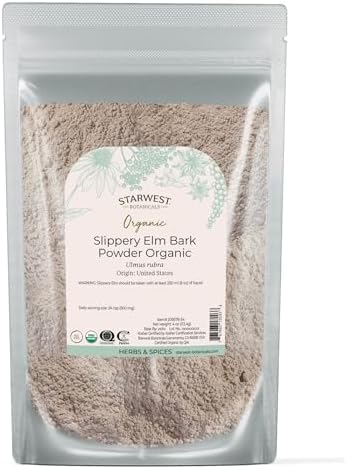
- SLIPPERY ELM BARK POWDER: This bag contains Ulmus rubra, the botanical name for slippery elm. Slippery elm bark powder s…
- VERSATILE HERB: Slippery Elm has a subtle flavor that brews well in tea. It can be used in herbal routines, mixed with l…
- USDA CERTIFIED ORGANIC: Our slippery elm bark powder is certified organic and kosher to meet strict processing standards…
Medicinal Properties of Slippery Elm Tea
The inner bark of slippery elm contains a unique combination of bioactive compounds, including:
- Mucilage – forms a soothing gel that coats and protects tissues
- Tannins – provide mild astringent and anti-inflammatory effects
- Flavonoids – support antioxidant activity
- Phytosterols – help maintain tissue integrity
Together, these compounds give slippery elm tea its well-known soothing, protective, and healing properties.
Benefits of Slippery Elm Tea
1. Supports Digestive Health
Slippery elm tea is commonly used for conditions such as acid reflux, gastritis, irritable bowel syndrome (IBS), and mild ulcers. The mucilage forms a protective coating along the stomach and intestinal lining, reducing irritation and promoting healing.
2. Soothes Sore Throat and Cough
Because of its thick, soothing texture, slippery elm tea is excellent for calming sore throats, dry coughs, and throat irritation caused by allergies or respiratory infections.
3. Supports Urinary Tract Comfort
Its mild anti-inflammatory and soothing properties may help relieve irritation associated with urinary tract discomfort when used as a complementary approach.
4. Promotes Intestinal Balance
Slippery elm tea can help regulate bowel movements and ease mild diarrhea, colitis, and intestinal cramping by protecting the intestinal lining and supporting natural motility.
5. Gentle Calming Effect
By reducing internal irritation and supporting digestive comfort, slippery elm tea may indirectly promote relaxation and stress relief, especially when digestive discomfort contributes to anxiety.
How to Prepare Slippery Elm Tea Properly
Slippery elm is typically prepared using the powdered inner bark.
Ingredients:
- 1 teaspoon slippery elm inner bark powder (Ulmus rubra)
- 1 cup (200 ml) filtered water
Preparation:
- Heat the water to 175–195°F (80–90°C) — do not boil.
- Add the slippery elm powder to the hot water.
- Stir well to prevent clumping.
- Let steep for 5–10 minutes, allowing the mucilage to form.
- Drink warm.
Recommended intake: up to 2–3 cups per day, preferably between meals.
👉 Learn more about infusion techniques here:
How to Prepare Herbal Teas Correctly

- ☕Humanized design:The 1200ml teapot has a large capacity and a water level scale is added on the surface. The teapot spo…
- ☕Multiple functions: The teapot is suitable for making a variety of different drinks, tea, coffee, herbs, etc. The teapo…
- ☕Safe teapot: It is composed of lead-free high borosilicate glass, using food-grade 304 stainless steel filter screen, w…
Other Traditional Uses of Slippery Elm
External Use (Compress or Wash)
A thicker preparation may be applied to minor burns, rashes, eczema, or skin irritation.
Slippery Elm Paste
Mix the powder with warm water to create a paste and apply topically for soothing inflamed skin.
Tinctures
Alcohol-based extracts are sometimes used for longer-term digestive support, under professional guidance.
Contraindications and Safety Notes
While slippery elm is generally well tolerated, some precautions are important:
- Pregnancy: Avoid use unless approved by a healthcare professional
- Medication absorption: Slippery elm may reduce absorption of medications — take it at least 1–2 hours apart
- Intestinal obstruction: Consult a professional before use
- Use only products from reputable, sustainable sources
Final Thoughts
Slippery elm tea is one of the most respected herbal remedies in North American traditional medicine. Its ability to soothe, protect, and support irritated tissues makes it especially valuable for digestive and throat health.
When prepared correctly and used responsibly, it can be a gentle and effective addition to a natural wellness routine — especially when combined with other calming herbs.

- 【Pure Natural Marble】Made of marble, this mortar and pestle set features a textured interior for improved friction when …
- 【Unique existence】 Due to the change of the natural color of marble, each mortar and pestle is unique, (please allow a s…
- 【Easy to Clean】❤Please note: Due to its natural marble composition, there may be some powder initially. To fix this, gri…
🌿 Suggested Internal Reading
- Chamomile Tea: Gentle digestive and calming support
- Lemon Balm Tea: Nervous system balance and relaxation
- How to Prepare Herbal Teas Correctly
Prepare your tea the right way
If you plan to use this plant to make tea, use the Nutritive Blog tea infusion timer. Proper infusion time helps preserve active compounds and ensures better results.
About the Author

Alexandre Zorek holds a degree in Business Administration and a postgraduate specialization in Botany. Passionate about orchids, photography, and natural foods, he shares clear, trustworthy information about plants, fruits, teas, and vegetables. As the father of Bianca and Beatriz, he values practical, safe guidance that fits real life.