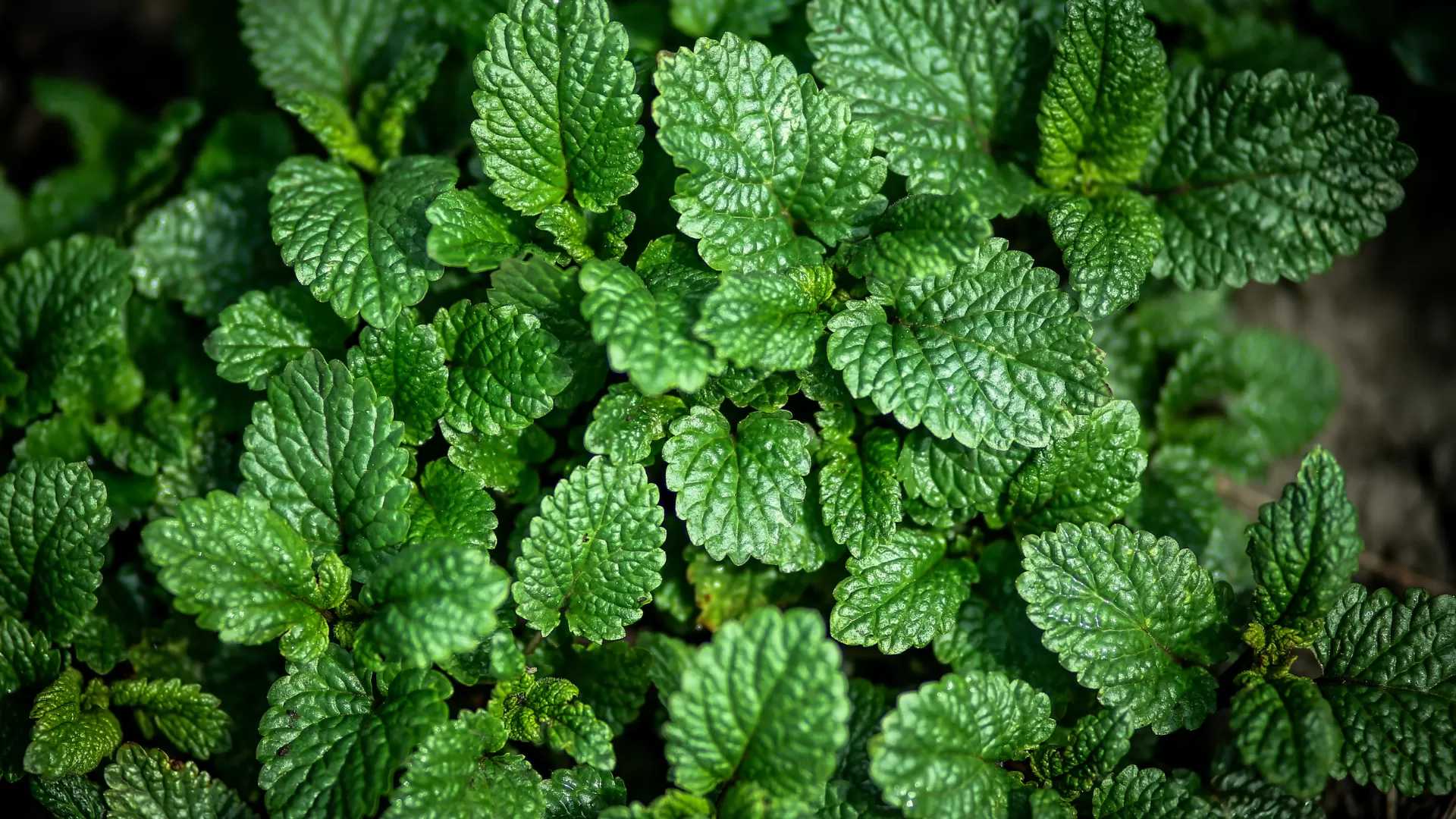
Lemon balm tea, made from Melissa officinalis, is one of the most respected herbal infusions in European and North American herbal traditions. Known for its gentle calming effect, digestive support, and antioxidant properties, this tea has been used for centuries to help reduce stress, improve sleep, and support overall well-being.
If you’re looking for a natural, caffeine-free tea to ease anxiety, calm the mind, and support digestion, lemon balm tea may be exactly what you need.
In this complete guide, you’ll learn:
- What lemon balm really is (and how it differs from similar herbs)
- The main health benefits of lemon balm tea
- How to prepare it correctly
- When and how to drink it
- Safety tips and contraindications
- How to combine it with other herbal teas
⚠️ This content is for educational purposes only and does not replace medical advice.
What Is Lemon Balm (Melissa officinalis)?
Melissa officinalis, commonly known as lemon balm, is a perennial herb native to Europe and Western Asia. It belongs to the mint family (Lamiaceae), the same botanical family as mint, basil, rosemary, and oregano.
The leaves release a soft lemon scent when crushed, which explains the common name “lemon balm.” Because several plants share similar citrus aromas, lemon balm is often confused with other herbs.
Important clarification
- Lemon Balm (Melissa officinalis) ≠ Brazilian Lemon Balm (Lippia alba)
- Lemon Balm ≠ Lemongrass (Cymbopogon citratus)
Each plant has different chemistry and effects. If you want to understand these differences in detail, see:
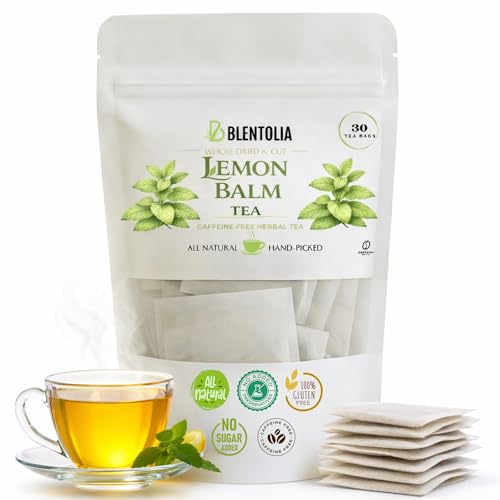
- 1. 🌿 100% Pure Lemon Balm (Melissa) – Sourced from high-quality dried Melissa officinalis leaves for maximum potency.
- 2. 😌 Naturally Calming & Relaxing – Traditionally used to promote relaxation, reduce stress, and support restful sleep.
- 3. 🫖 30 Ready-to-Use Tea Bags – Conveniently pre-portioned for daily use at home, work, or travel.
Key characteristics of lemon balm
- Scientific name: Melissa officinalis
- Family: Lamiaceae
- Leaves: soft, green, lightly serrated
- Aroma: mild lemon-citrus
- Common names: lemon balm, balm mint, sweet balm
Medicinal Properties of Lemon Balm Tea
Lemon balm contains a range of bioactive compounds, including:
- Essential oils (citral, citronellal, geraniol)
- Flavonoids
- Tannins
- Rosmarinic acid
Together, these compounds give lemon balm tea the following properties:
- Calming and anxiolytic
- Antispasmodic
- Digestive support
- Antioxidant
- Antiviral
- Mild analgesic
- Anti-inflammatory
- Neuroprotective
What Is Lemon Balm Tea Used For?
1. Stress and Anxiety Relief
Lemon balm is best known for its calming effect on the nervous system. Research shows that rosmarinic acid interacts with GABA receptors, helping reduce mental tension, nervousness, and mild anxiety without causing sedation.
2. Better Sleep Quality
Lemon balm tea works as a gentle natural sleep aid, especially helpful for people who struggle with:
- difficulty falling asleep
- racing thoughts at night
- stress-related insomnia
Unlike stronger sedative herbs, lemon balm promotes relaxation without grogginess the next morning.
3. Digestive Comfort
Traditionally, lemon balm tea is used to relieve:
- bloating
- gas
- stomach cramps
- indigestion
Its antispasmodic action helps relax the muscles of the gastrointestinal tract, making it an excellent tea after meals.
4. Brain and Cognitive Support
Some studies suggest that regular consumption of lemon balm may support:
- memory
- concentration
- cognitive performance
It is often used in herbal protocols for mental fatigue and age-related cognitive decline.
5. Immune and Antiviral Support
Lemon balm has documented antiviral activity, particularly against certain cold sore viruses. Its antioxidant compounds also support immune defense during periods of stress or seasonal illness.
6. Antioxidant Protection
Flavonoids and rosmarinic acid help neutralize free radicals, supporting cellular health and helping prevent chronic inflammation.
How to Prepare Lemon Balm Tea Correctly
Proper preparation is essential to preserve lemon balm’s delicate essential oils.
Ingredients
- 1 tablespoon dried lemon balm leaves
(or 2 tablespoons fresh leaves) - 1 cup (200 ml) filtered water
Preparation (Infusion)
- Heat the water until hot but not boiling (about 175–195°F / 80–90°C).
- Turn off the heat.
- Add the lemon balm leaves.
- Cover and steep for 5–10 minutes.
- Strain and drink warm.
For a complete explanation of infusion vs. decoction and correct temperatures, see:

- ☕Humanized design:The 1200ml teapot has a large capacity and a water level scale is added on the surface. The teapot spo…
- ☕Multiple functions: The teapot is suitable for making a variety of different drinks, tea, coffee, herbs, etc. The teapo…
- ☕Safe teapot: It is composed of lead-free high borosilicate glass, using food-grade 304 stainless steel filter screen, w…
When and How to Drink Lemon Balm Tea
- For stress or anxiety: 1–2 cups during the day, especially late afternoon
- For sleep: 1 cup about 30 minutes before bedtime
- For digestion: after meals
Lemon balm tea is generally safe for older adults and children in smaller amounts. Pregnant or breastfeeding individuals should consult a healthcare professional first.
Herbal Combinations That Work Well
Lemon balm blends easily with other calming and digestive herbs:
- Lemon balm + chamomile → deeper relaxation and sleep
- Lemon balm + valerian → stronger support for insomnia
- Lemon balm + mint → digestive relief with a refreshing taste
- Lemon balm + lemongrass → muscle relaxation and tension relief
You may also enjoy:
Side Effects and Contraindications
Lemon balm tea is considered very safe when consumed in moderation.
Possible side effects (rare)
- Excessive drowsiness
- Mild drop in blood pressure
- Nausea (in very high doses)
Avoid or use caution if you:
- have hypothyroidism (may interfere with thyroid function)
- take sedatives, antidepressants, or anti-anxiety medication
- are pregnant (only with professional guidance)
Limit intake to 1–2 cups per day unless otherwise advised.
Extra Tips for Best Results
- Lemon balm grows easily in pots or garden beds with partial sun.
- Fresh leaves can be added to salads or infused water.
- Cold lemon balm tea can be used as a compress for tired eyes or irritated skin.
- 100% GRANITE NATURAL STONE : Featuring an 8-inch diameter and 4-cup capacity,this mortar and pestle set are made of 100%…
- MANUALLY GRIND,ORIGINAL FLAVOR:Unleash the full potential of herbs and spices for your homemade guacamole, salsa, and pe…
- EASY TO USE & QUICK CLEAN : this granite mortar and pestle set is not only easy to use but also a breeze to clean,the po…
Related Articles You May Enjoy
- Chamomile Tea: Benefits and How to Use
- Brazilian Lemon Balm Tea (Lippia alba): Differences and Benefits
- How to Prepare Herbal Teas Correctly
Conclusion
Lemon balm tea is one of the most gentle and versatile herbal infusions available. Whether you’re looking to reduce stress, sleep better, support digestion, or simply enjoy a calming daily ritual, Melissa officinalis offers real, time-tested benefits.
When used correctly, it’s a safe, comforting, and effective addition to a natural wellness routine.
Prepare your tea the right way
If you plan to use this plant to make tea, use the Nutritive Blog tea infusion timer. Proper infusion time helps preserve active compounds and ensures better results.
Author Box
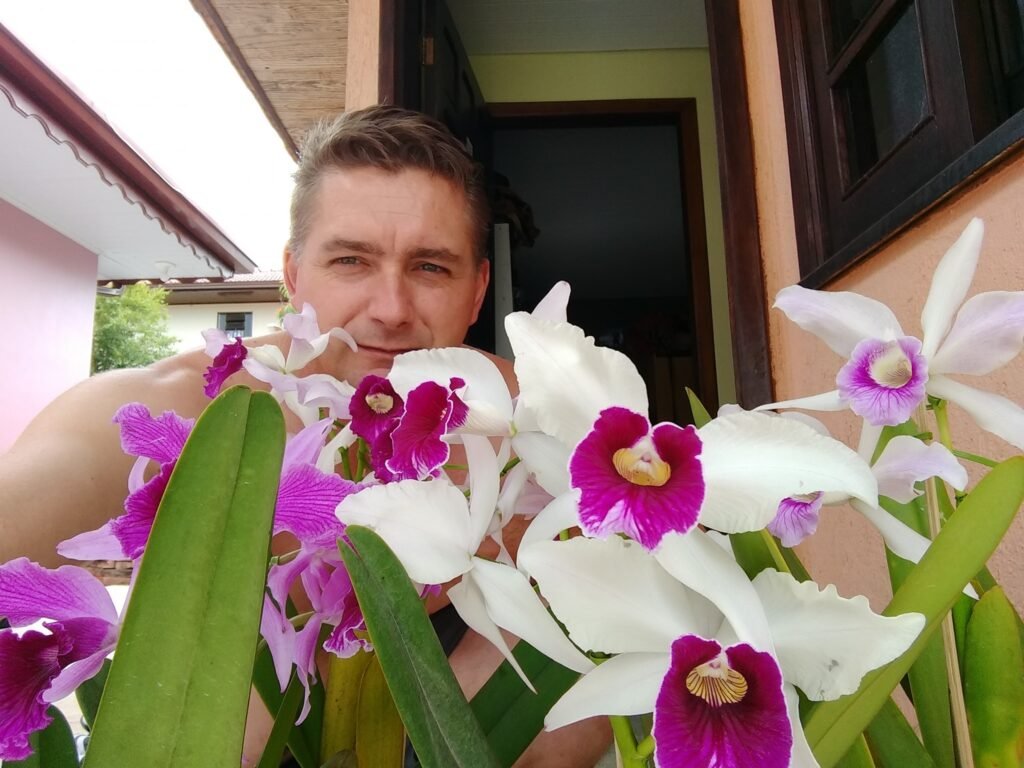
Written by Alexandre Zorek — graduate in Business Administration with postgraduate studies in Botany. Passionate about orchids, photography, and natural foods, and father to Bianca and Beatriz, he shares reliable, accessible knowledge about plants, fruits, teas, and vegetables.