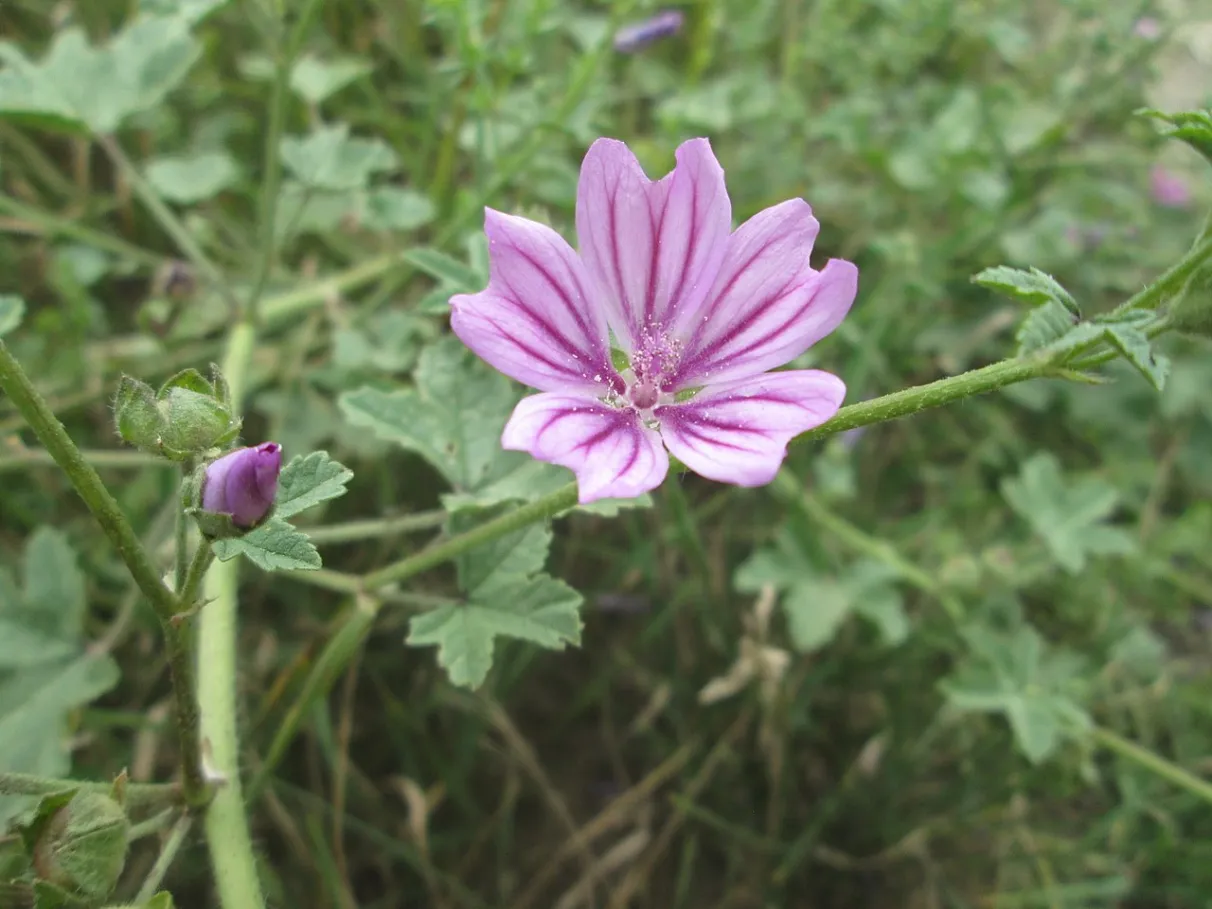
Malva tea, made from the leaves and flowers of Malva sylvestris, is one of the most gentle and versatile herbal infusions used in traditional natural medicine. Valued since ancient times, this soothing tea has been widely used to relieve coughs, throat irritation, digestive discomfort, and sensitive skin conditions.
Thanks to its high content of mucilage, flavonoids, and antioxidants, malva tea provides protective, anti-inflammatory, and calming effects for both internal and external use.
In this article, you will learn:
- What malva tea is used for
- 10 proven health benefits
- How to prepare malva tea correctly
- Safety considerations and contraindications
- Internal and external uses
This content is for educational purposes only and does not replace medical advice.
What Is Malva?
Malva (Malva sylvestris), also known as common mallow, is a flowering plant from the Malvaceae family. Native to Europe and parts of Asia, it is now cultivated worldwide as both a medicinal and ornamental plant.
Its leaves and purple-pink flowers are rich in:
- Mucilage (soothing plant fibers)
- Flavonoids
- Tannins
- Natural antioxidants
These compounds are responsible for malva’s protective, moisturizing, and anti-inflammatory properties, especially for the respiratory, digestive, and urinary systems.
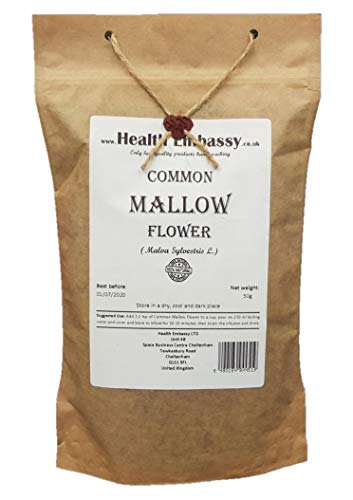
- Hand-Picked and Hand-Packed 🍀 Common Mallow Flower Tea Health Embassy is carefully hand-packed to preserve its natural c…
- Convenient Resealable Packaging 🍀 The resealable doypack is designed for practicality, helping to maintain freshness whi…
- Natural and GMO-Free 🍀 Common Mallow Flower Tea Health Embassy contains no GMOs, additives, artificial flavors, or color…
10 Benefits of Malva Tea
1. Relieves Cough and Respiratory Irritation
Malva tea forms a protective coating over the throat and bronchial passages, helping soothe dry coughs, hoarseness, bronchitis symptoms, and colds.
2. Anti-Inflammatory and Skin-Healing Support
Used internally or as a compress, malva tea may help reduce inflammation associated with eczema, mild burns, insect bites, and irritated skin.
3. Supports Digestion and Mild Constipation
Thanks to its mucilage content, malva tea acts as a gentle laxative and helps calm irritation caused by gastritis, acid reflux, or intestinal inflammation.
4. Antioxidant Protection
Flavonoids help combat free radicals, supporting cellular health and slowing premature aging of tissues and mucous membranes.
5. Oral and Throat Health
Warm malva tea is commonly used as a gargle for mouth sores, gingivitis, sore throat, and mild oral infections due to its soothing and antimicrobial action.
6. Promotes Relaxation and Better Sleep
Malva tea has a mild calming effect that may help relax the body and support better sleep, especially when stress-related discomfort is present.
7. Gentle Detox and Diuretic Effect
Its mild diuretic properties may help reduce water retention and support urinary elimination of waste products.
8. Support for Mild Urinary and Genital Irritation
Traditionally used to soothe inflammation related to cystitis and mild genital irritation when consumed or used externally.
9. Muscle and Joint Relief (Topical Use)
Warm compresses prepared with malva tea may help reduce localized muscle tension, joint discomfort, and inflammatory pain.
10. Ideal for Sensitive Skin
Malva tea baths or compresses are often used to calm rosacea, mild acne, hives, and other forms of sensitive or reactive skin.
How to Prepare Malva Tea Correctly
Classic Infusion (Internal Use and Gargling)
Ingredients
- 1 teaspoon dried malva flowers and/or leaves
- 1 cup (200 ml) hot water (not boiling)
Preparation
- Bring the water to a boil and turn off the heat.
- Add the malva leaves or flowers.
- Cover and let steep for 10 minutes.
- Strain and drink warm or at room temperature.
You may consume up to 3 cups per day.
How to Prepare Herbal Teas Correctly (Infusion vs. Decoction)

- FAST BOILING: Chefman kettles boil water fast. Boil your water for as little as 3 minutes for tea, hot chocolate, pour-o…
- VARIABLE HEAT SETTINGS: Custom temperature control includes seven presets with boiling temps ranging from 160-212°F for …
- TRI-COLOR LED LIGHTS: Easily see when your glass teapot with infuser is in standby mode (white lights), heating mode (re…
Decoction (Digestive Support or External Use)
Ingredients
- 5 tablespoons dried malva leaves/flowers
- 1 liter of water
Preparation
- Add the plant material to cold water.
- Bring to a gentle boil and simmer for 1 minute.
- Turn off heat, cover, and let rest for 5 minutes.
- Strain and use as tea, compress, or bath additive.
Limit internal use to 2–3 cups per day.
Safety, Contraindications, and Precautions
Although malva tea is considered very gentle, some precautions are important:
- Avoid use during pregnancy or breastfeeding without professional guidance
- Not recommended for young children unless advised by a healthcare provider
- The mucilage may reduce absorption of medications — allow at least 1 hour between tea and medications
- Avoid long-term continuous use without breaks
How to Use Malva Tea Externally
- Gargle: Helps soothe sore throat, mouth ulcers, and gum inflammation
- Compress: Apply warm or cool compresses to irritated skin or sore muscles
- Calming bath: Add prepared tea to bathwater to relieve skin irritation and promote relaxation
Related Herbal Teas You May Like
- Chamomile Tea: Calming Effects and Sleep Benefits
- Lavender Tea: Relaxation and Emotional Balance
- How to Prepare Herbal Teas Correctly

- 【Pure Natural Marble】Made of marble, this mortar and pestle set features a textured interior for improved friction when …
- 【Unique existence】 Due to the change of the natural color of marble, each mortar and pestle is unique, (please allow a s…
- 【Easy to Clean】❤Please note: Due to its natural marble composition, there may be some powder initially. To fix this, gri…
Prepare your tea the right way
If you plan to use this plant to make tea, use the Nutritive Blog tea infusion timer. Proper infusion time helps preserve active compounds and ensures better results.
Author Box
Written by Alexandre Zorek — graduate in Business Administration with postgraduate studies in Botany. Passionate about orchids, photography, and natural foods, and father to Bianca and Beatriz, he shares reliable, accessible knowledge about plants, fruits, teas, and vegetables.
Conclusion
Malva tea is a gentle yet powerful herbal infusion that supports respiratory comfort, digestive health, skin care, and overall relaxation. Its soothing nature makes it an excellent option for people with sensitive systems who are looking for natural relief without harsh effects.
When prepared correctly and used responsibly, malva tea can be a valuable addition to a balanced wellness routine.