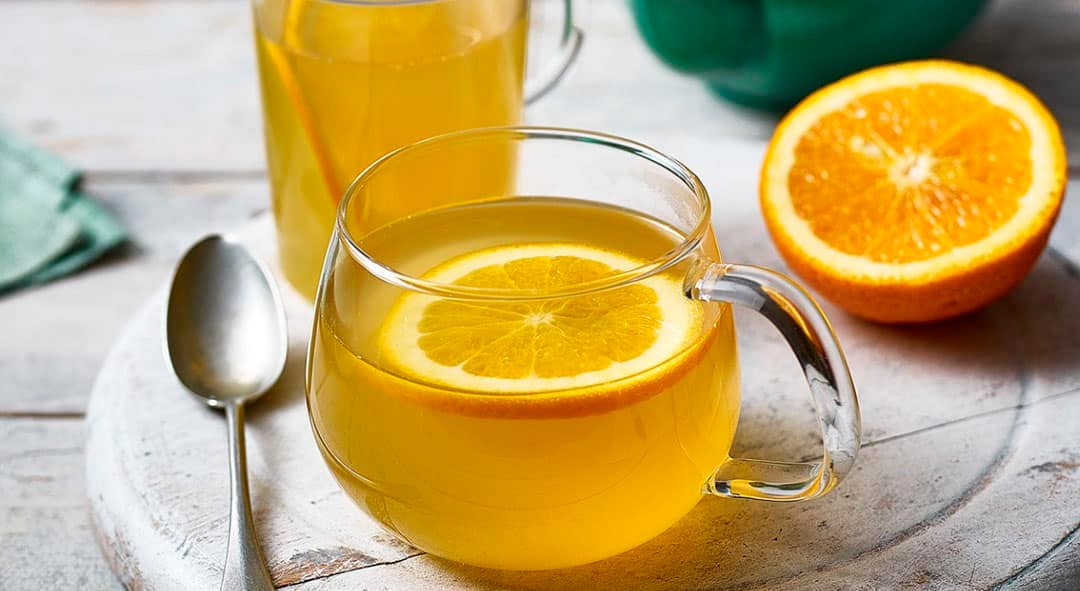
Orange tea is a simple yet powerful natural infusion that goes far beyond the fruit’s refreshing taste. Made from orange peels, leaves, or even the pulp, this tea is rich in antioxidants, vitamin C, and plant compounds that support digestion, immunity, and overall well-being.
In the United States, orange peel tea has gained attention as a natural digestive aid and calming herbal drink, while orange leaf tea is traditionally used for relaxation and stress relief.
In this article, you’ll discover 10 impressive benefits of orange tea, how to prepare it properly, recipe variations, and important precautions.
This content is for educational purposes only and does not replace professional medical advice.
The Power of Orange Tea
Oranges belong to the Citrus genus and are among the most widely consumed fruits in the world. Beyond the juice and pulp, orange peels and leaves contain essential oils, flavonoids, and antioxidants that are highly valued in herbal traditions.
Orange tea can be prepared using:
- Orange peel (fresh or dried)
- Orange tree leaves
- Orange pulp (less common, but possible)
Each part offers slightly different health benefits, which you’ll see below.
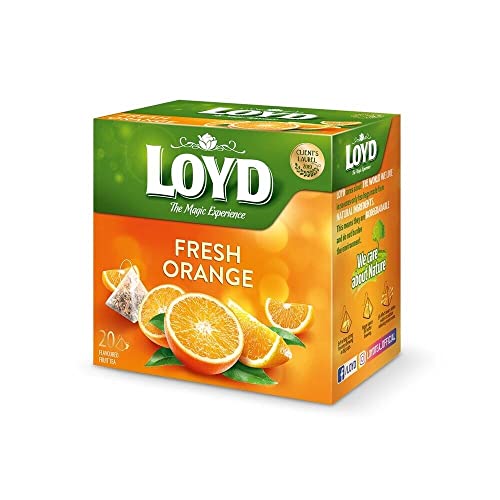
- Loyd Refreshing Orange Fruit Infusion Tea
- Magic Experience
- Box of 20 Tea Bags
10 Health Benefits of Orange Tea
1. Supports the Immune System
Orange tea is rich in vitamin C and antioxidants, which help strengthen the immune system and support the body’s natural defenses against colds and infections.
2. Promotes Relaxation and Stress Relief
Orange leaf tea has mild calming properties, making it useful for stress, nervous tension, and occasional insomnia.
3. Improves Digestion
Orange peel tea stimulates digestive enzymes and may help relieve bloating, gas, and indigestion, especially after heavy meals.
4. May Support Weight Management
Thanks to its digestive and mildly thermogenic effects, orange tea can support metabolism and help reduce water retention when combined with a balanced diet.
5. Helps Lower LDL Cholesterol
Orange peels contain pectin, a soluble fiber that may help reduce LDL (“bad”) cholesterol levels and support heart health.
6. Antioxidant and Anti-Aging Action
Flavonoids such as hesperidin help fight free radicals, supporting cellular health and slowing premature aging.
7. Relieves Menstrual Cramps and Tension
Orange leaf tea is traditionally used to help ease mild menstrual cramps and calm the nervous system.
8. Supports Regular Bowel Movements
Orange peel tea has a gentle laxative effect, which may help relieve mild constipation.
9. Helps Prevent Colds and Flu Symptoms
Beyond immunity support, orange tea may help soothe sore throat, nasal congestion, and mild cough.
10. Anti-Inflammatory Properties
The bioactive compounds in orange peels and leaves may help reduce low-grade inflammation and mild joint discomfort.
How to Make Orange Peel Tea
Ingredients
- 1 tablespoon organic orange peel (fresh or dried)
- 1 cup (250 ml) filtered water
Instructions
- Bring the water to a boil.
- Add the orange peel and turn off the heat.
- Cover and steep for 10–15 minutes.
- Strain and drink warm or cold.
Tip:
For best results, avoid boiling the peels for too long to preserve essential oils.
For a deeper guide on water temperature and herbal tea techniques, see:
How to Prepare Medicinal Teas Properly

- 【Stovetop Safe】Our glass teapot are made of borosilicate lead-free glass that is scratch resistant and can withstand tem…
- 【Removable Infuser】This glass teapot has a removable glass infuser. This infuser is made of 18/8 stainless steel and has…
- 【Ergonomic Design】The glass tea kettle is specially designed for one-handed operation. This glass tea pot is designed li…
Other Ways to Prepare Orange Tea
Orange Leaf Tea (Best for Relaxation)
Ingredients
- 1 tablespoon dried orange leaves
- 1 cup hot water
Steep for 10 minutes. Ideal for evening use or before bedtime.
Orange and Cinnamon Tea
Great for colder days and metabolism support.
Ingredients
- Peel of 1 orange
- 1 cinnamon stick
- 1¼ cups water
Simmer for 10 minutes, strain, and enjoy.
Precautions and Safety Tips
- Do not exceed 2–3 cups per day
- People with acid reflux or gastritis should monitor tolerance
- Always use organic oranges, as peels may contain pesticide residues
- Pregnant or breastfeeding individuals should consult a healthcare professional before regular use

- Create Flavorful Dishes – Bring out the full flavors and aromas of your ingredients with our stone mortar and pestle set…
- A Versatile Mixing Tool – Crush and mash different types of seasonings in our grinding bowl. With its 8oz capacity, it i…
- Solid & Durable – You can count on our stone pestle and mortar to last many years. Made from solid granite, the 5-lb her…
Extra Tips
- Dry orange peels naturally and store them in glass jars
- Enhance flavor with ginger, cloves, or mint
- Serve chilled as a refreshing iced herbal tea during summer
Prepare your tea the right way
If you plan to use this plant to make tea, use the Nutritive Blog tea infusion timer. Proper infusion time helps preserve active compounds and ensures better results.
Author Box

Written by Alexandre Zorek, graduate in Business Administration and postgraduate in Botany.
A passionate lover of orchids, photography, and natural food — and father of Bianca and Beatriz — he shares reliable knowledge about plants, fruits, teas, and vegetables in a practical and accessible way.
Conclusion
Orange tea is a simple, affordable, and versatile herbal drink that supports digestion, relaxation, immunity, and overall wellness. Whether made from peels or leaves, it’s an excellent addition to a natural health routine.