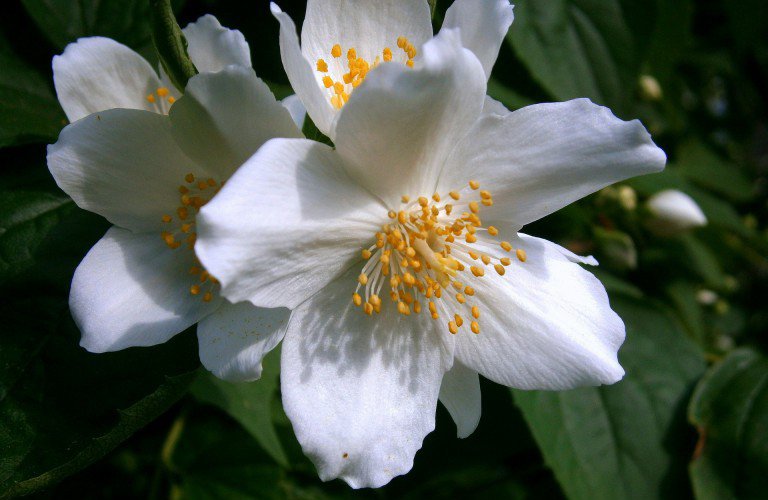
Jasmine tea is considered a true gem among herbal infusions. Known for its delicate floral aroma and smooth taste, this traditional beverage has been enjoyed for centuries not only for pleasure, but also for its impressive wellness-supporting properties. If you’re looking for a natural way to relax, support digestion, improve focus, or enhance overall well-being, jasmine tea may be an excellent addition to your routine.
In this guide, you’ll discover 10 evidence-supported benefits of jasmine tea, learn how to prepare it correctly (including ideal water temperature), and understand why it has been so highly valued in traditional herbal practices across Asia.
This content is for educational purposes only and does not replace professional medical advice.
What Is Jasmine Tea?
Jasmine tea is traditionally made by scenting green tea or black tea leaves with fresh jasmine blossoms, most commonly Jasminum sambac or Jasminum officinale. During the scenting process, the flowers release natural aromatic oils that are absorbed by the tea leaves, resulting in a fragrant and gently floral infusion.
Widely consumed in China, Japan, and other parts of Asia, jasmine tea is more than a beverage — it is often associated with relaxation rituals, mindfulness, and balance.
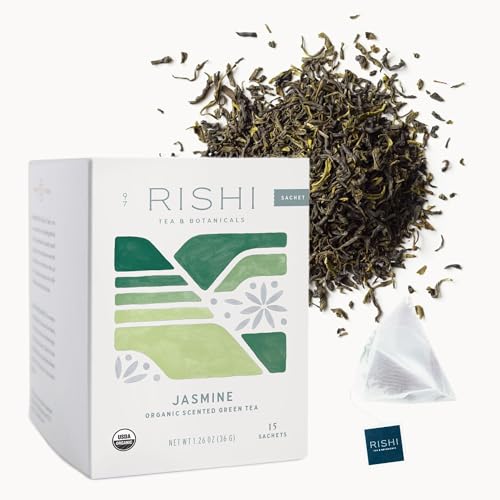
- ORGANIC JASMINE GREEN TEA – Our fresh green tea is traditionally scented with enchanting jasmine blossoms. The green tea…
- SAVOR & ENJOY – Brew one Jasmine Green Herbal Sachet Bag in 12 to 16 ounces of water at 175 degrees Fahrenheit for 3 min…
- GOOD FOR YOUR HEALTH – Rishi’s Green Tea Jasmine Bags are USDA Organic, Non-GMO, and are made from biodegradable BPA fre…
10 Health Benefits of Jasmine Tea
1. Helps Reduce Stress and Anxiety
The natural floral aroma of jasmine has calming effects on the nervous system. Drinking jasmine tea may help lower stress hormones and promote a sense of relaxation and emotional balance.
2. Rich in Antioxidants
When made with green tea, jasmine tea contains catechins and polyphenols that help neutralize free radicals, supporting cellular health and healthy aging.
3. Supports Digestive Comfort
Jasmine tea has mild carminative properties that may help reduce bloating, gas, and digestive discomfort, especially when consumed after meals.
4. May Support Weight Management
Research suggests that catechins found in green tea-based jasmine tea may help support metabolism and fat oxidation as part of a balanced lifestyle.
5. Supports Immune Function
The antioxidant and anti-inflammatory compounds in jasmine tea may help the body maintain a healthy immune response.
6. Promotes Oral Health
Jasmine tea contains antimicrobial compounds that may help reduce bacteria associated with bad breath and support overall oral hygiene.
7. Supports Heart Health
Regular consumption of jasmine green tea may help support healthy cholesterol levels, particularly by reducing LDL (“bad”) cholesterol.
8. May Ease Menstrual Discomfort
Jasmine’s mild antispasmodic and soothing properties may help relieve cramps and mild menstrual discomfort.
9. Enhances Focus and Mental Clarity
Thanks to the natural combination of L-theanine and small amounts of caffeine, jasmine tea can promote alertness and concentration without causing jitteriness.
10. Improves Mood and Overall Well-Being
Both the aroma and the warm infusion itself are associated with improved mood, relaxation, and a sense of emotional well-being.
How to Prepare Jasmine Tea Properly
Correct preparation is essential to preserve jasmine tea’s delicate aroma and beneficial compounds.
Ingredients:
- 1 teaspoon loose-leaf jasmine tea or 1 tea bag
- 7 oz (200 ml) filtered or spring water
Preparation:
- Heat the water to 175–185°F (80–85°C) — do not boil.
- Pour the hot water over the tea leaves or tea bag.
- Steep for 2–3 minutes only.
- Strain if needed and enjoy.
Tip: Avoid boiling water, as it can burn the tea leaves and destroy delicate antioxidants and flavor compounds.
For a deeper understanding of brewing methods, see our complete guide:
How to Prepare Herbal Teas Correctly: Infusion, Decoction, and Cold Brew

- Important Note for Built to Last: Please clean and keep dry after use
- Made of 304 grade stainless steel, long lasting durability for a long time use. (The rivet is made of aluminum. Remember…
- Get the job done and easy to clasp shut, brew your leaf tea with ease
Possible Side Effects and Precautions
Jasmine tea is generally safe when consumed in moderation, but keep the following in mind:
- Pregnant or breastfeeding individuals should consult a healthcare professional.
- Those sensitive to caffeine should avoid drinking it late in the evening.
- May interact with blood-thinning medications if made with green or black tea.
Interesting Facts About Jasmine Tea
- In aromatherapy, jasmine is often associated with relaxation and emotional balance.
- Jasmine tea was considered a luxury beverage during China’s Song Dynasty (960–1279).
- Jasmine is sometimes blended with oolong tea, creating complex and aromatic variations.
Prepare your tea the right way
If you plan to use this plant to make tea, use the Nutritive Blog tea infusion timer. Proper infusion time helps preserve active compounds and ensures better results.

- Handy Kitchen Tool – Enjoy the rich flavors of fresh ground spices, paste, or herbs with our grinder mortar pestle set. …
- Crafted to Last – Made of solid marble stone, our molcajete bowl won’t easily break or crack even with frequent use. The…
- Beautiful Pill Crusher Set – The stone mortar and pestle are all white with gray accents and a smooth outer finish. This…
Continue Exploring Herbal Teas
- Chamomile Tea: A classic herbal infusion for relaxation and sleep support
- Hibiscus Tea: Supports circulation and fluid balance
- Complete Guide to Medicinal Tea Preparation
Author Box

Written by Alexandre Zorek, graduate in Business Administration, nutrition student, and postgraduate in Botany.
A passionate lover of orchids, photography, and natural food — and father of Bianca and Beatriz — he shares reliable and practical knowledge about plants, fruits, teas, and vegetables.