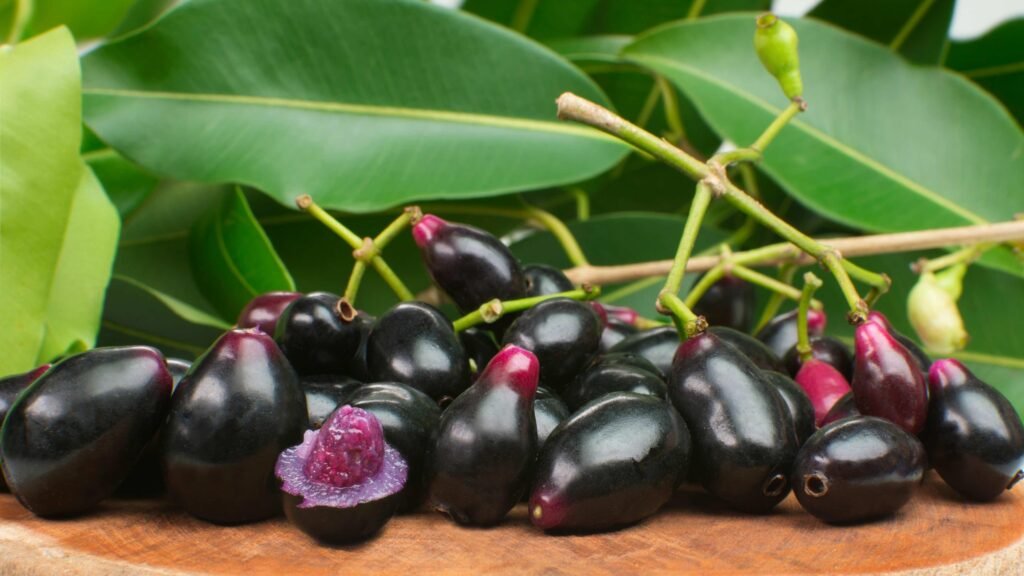
Jambolan tea, also known as Java plum, black plum, or Indian blackberry, is a medicinal tree recognized for its dark purple fruits and powerful bioactive compounds. While the fruit is more widely known, jambolan leaves, bark, and seeds have long been used in traditional herbal medicine to prepare therapeutic teas with impressive health benefits.
In this article, you will learn:
- What jambolan tea is used for
- Its main health benefits
- How to prepare it properly
- Safety considerations and contraindications
- Herbal combinations that enhance its effects
This content is for informational purposes only and does not replace medical advice.
What Is Jambolan?
Syzygium cumini, commonly called jambolan or Java plum, is native to India and Southeast Asia but is now widely grown in tropical and subtropical regions, including parts of the United States. The fruit is rich in anthocyanins, polyphenols, tannins, and vitamin C, while the leaves, bark, and seeds contain compounds with antioxidant, anti-inflammatory, antimicrobial, antiviral, and blood sugar–supporting properties.
In herbal medicine, jambolan tea is typically prepared from the leaves or inner bark, using either infusion or decoction methods. It is traditionally valued for supporting glucose balance, digestion, immune health, and respiratory comfort.
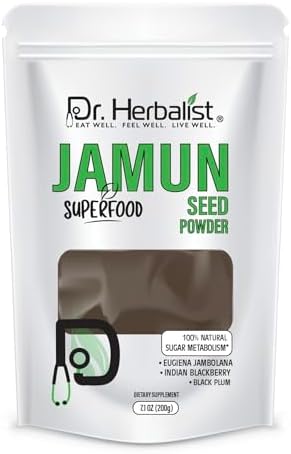
- “Digestive Wellness: Known for its digestive properties, the powder may assist in promoting a healthy digestive system.”
- “Nutrient-Rich Profile: Jamun seeds contain essential nutrients such as vitamins, minerals, and fiber, providing a whole…
- “Distinct Flavor: Beyond its health benefits, Jamun Seed Powder adds a unique and slightly bitter flavor to a variety of…
10 Health Benefits of Jambolan Tea
1. Supports Healthy Blood Sugar Levels
Jambolan seeds contain jamboline, a compound that may help slow the conversion of starch into glucose, assisting in the reduction of post-meal blood sugar spikes.
2. Powerful Antioxidant Action
Rich in anthocyanins and ellagic acid, jambolan has strong antioxidant capacity—comparable to or greater than blueberries and blackberries—helping protect cells from oxidative stress.
3. Digestive Support and Diarrhea Relief
The bark has natural astringent properties, traditionally used to ease diarrhea, mild dysentery, and digestive inflammation.
4. Anti-Inflammatory Properties
Compounds such as quercetin and tannins help reduce low-grade inflammation, particularly in the digestive and respiratory systems.
5. Cardiovascular Support
By combating oxidative stress and inflammation, jambolan tea may help support healthy cholesterol levels and overall heart health.
6. Immune System Support
Vitamin C from the fruit and antiviral compounds in the leaves contribute to immune defense and resistance to infections.
7. Oral Health and Infection Control
Used as a gargle, jambolan tea may help soothe mouth sores, sore throat, gum inflammation, and mild oral infections.
8. Skin Health and Wound Care
Compresses made from the leaves or bark decoction can assist with minor wounds, mouth ulcers, and mild skin irritations.
9. Metabolic and Hormonal Balance
Animal studies suggest that leaf extracts may support metabolic health and ovarian function in specific conditions, particularly related to insulin resistance.
10. Respiratory Comfort
Bark decoctions have been traditionally used for coughs and bronchial irritation due to their mild expectorant and soothing effects.
How to Prepare Jambolan Tea Properly
Leaf Infusion (Most Common Method)
Ingredients:
- 1 tablespoon dried or fresh jambolan leaves
- 1 cup (250 ml) filtered water
Preparation:
- Bring the water to a boil, then turn off the heat.
- Add the leaves, cover, and steep for 10 minutes.
- Strain and drink warm.
Suggested use:
Up to 2–3 cups per day, spaced throughout the day.

- This teapot is completely hand crafted, made from heat resistant borosilicate glass, specially designed with non drippin…
- Removable high-grade 18/10 stainless steel mesh infuser filter for loose teas or blooming teas, the lid fits the tea bas…
- This beautiful teapot can be placed directly in the microwave oven or on either gas or electric stove tops, use a medium…
Bark Decoction (Stronger Digestive or Immune Support)
Ingredients:
- 1 tablespoon dried jambolan bark
- 2 cups (500 ml) water
Preparation:
- Add the bark to cold water and bring to a boil.
- Simmer for 5–10 minutes.
- Turn off heat, cover, and let steep for another 5 minutes.
- Strain and drink warm.
Suggested use:
1–2 cups daily for no more than 7 consecutive days.
For a deeper understanding of infusion vs. decoction, see:
How to Prepare Herbal Teas Properly
Safety Considerations and Contraindications
- Pregnant or breastfeeding individuals should avoid use unless advised by a healthcare professional.
- People with diabetes should monitor blood sugar closely, especially if taking glucose-lowering medications.
- Long-term or excessive use may cause digestive discomfort.
- Potential interactions with anticoagulant medications are possible.
- Do not store prepared tea for more than 24 hours.
Herbal Combinations That Enhance Benefits
- Jambolan + Fennel: Digestive balance and bloating relief
- Jambolan + Ginger: Anti-inflammatory and metabolic support
- Jambolan + Chamomile: Calming effects and menstrual comfort
- Jambolan + Guaco: Respiratory and immune synergy
Related articles you may enjoy:
- Ginger Tea: Benefits and Preparation
- Guaco Tea: Natural Expectorant Support
- How to Prepare Herbal Teas Correctly

- MEASUREMENTS AND BENEFITS: With a 6 inche diameter, this Granite Molcajete is perfect for preparing small to medium size…
- DURABLE CONSTRUCTION: Crafted from durable granite with a natural finish, this mortar and pestle set is easy to clean, o…
- FUNCTIONALITY & SIZE: With a 6 inche diameter, granite construction, and natural finish, this Molcajete Spice Grinder bl…
Why Add Jambolan Tea to Your Wellness Routine?
Jambolan tea offers a multifunctional herbal profile—supporting blood sugar balance, digestion, immune health, and overall well-being. It represents a powerful example of how traditional tropical plants can play a role in modern natural wellness practices.
As with any herbal remedy, informed and moderate use is essential. When used responsibly, jambolan tea can be a valuable addition to a holistic lifestyle.
Prepare your tea the right way
If you plan to use this plant to make tea, use the Nutritive Blog tea infusion timer. Proper infusion time helps preserve active compounds and ensures better results.
Author Box

Written by Alexandre Zorek
Administrator with postgraduate studies in Botany. Passionate about orchids, photography, and natural nutrition. Father of Bianca and Beatriz. Alexandre shares reliable, practical knowledge about herbs, teas, fruits, and vegetables in an accessible way.