Purple ipe is one of Brazil’s most iconic trees, admired for its striking blossoms and remarkable medicinal properties. Tea made from its inner bark has gained attention among natural health enthusiasts for supporting immunity, fighting infections, and promoting overall wellness. If you’re looking for a natural way to strengthen your body and care for your health, this guide is for you.
In this article, you’ll learn:
- What purple ipe tea is used for
- Its main evidence-based benefits
- How to prepare it properly
- Who should or should not consume it
- Tips to enhance its effects
- And much more
This content is for informational purposes only and does not replace professional medical advice.
What Is Purple Ipe?
Purple ipe (Tabebuia impetiginosa), also known as pau d’arco, lapacho, or taheebo, is a tree native to South America. While its purple flowers are visually stunning, the inner bark of the trunk is where the most potent medicinal compounds are found.
Indigenous peoples have long used purple ipe tea as a natural remedy for various ailments. Today, modern research has begun to validate several of these traditional uses by studying its pharmacological properties.
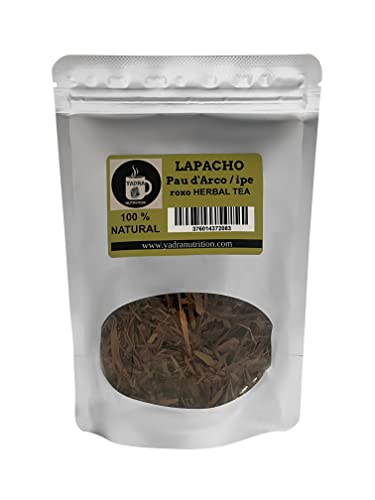
- Lapacho Pau d’arco / ipe roxo c/s Herbal Tea Bark Tabebuia impetiginosa Tea
- Pau d’arco
What Is Purple Ipe Tea Used For?
Purple ipe tea is known for the following actions:
- Immune-supporting
- Anti-inflammatory
- Antifungal and antibacterial
- Antioxidant
- Mildly analgesic and detoxifying
It is traditionally used as a complementary aid for:
- Recurrent infections (throat, lungs, urinary tract)
- Candidiasis and fungal infections
- Joint inflammation and rheumatic pain
- Skin conditions
- Colds and flu
- Digestive and intestinal discomfort
- Supportive care alongside oncology treatments (with medical supervision)
Important: Purple ipe tea does not replace medical treatments. It should be used as supportive care under professional guidance.
10 Benefits of Purple Ipe Tea
1. Supports the Immune System
Compounds such as lapachol and beta-lapachone exhibit antiviral and antibacterial activity, helping the body fight infections more effectively.
2. Powerful Anti-Inflammatory Action
May help relieve inflammation associated with arthritis, osteoarthritis, and muscle pain.
3. Helps Fight Urinary Tract Infections
Its antimicrobial and mild diuretic effects support urinary tract cleansing.
4. Aids Liver Detoxification
Studies suggest hepatoprotective effects that may help the liver eliminate toxins more efficiently.
5. Improves Skin Health
Traditionally used for eczema, psoriasis, boils, and other inflammatory skin conditions. It can also be applied topically as a compress.
6. Supports Candidiasis Control
Regular use may help reduce symptoms of vaginal or oral candidiasis.
7. Supports Digestive Comfort
Anti-inflammatory properties may ease mild gastritis and stomach discomfort.
8. Potential Support in Cancer Care
Research indicates lapachol may have cytotoxic effects on tumor cells. However, it must never replace conventional cancer treatments.
9. May Help Regulate Blood Sugar
Some studies suggest a beneficial effect on insulin regulation when used with professional guidance.
10. Natural Pain Relief
May help relieve mild muscle pain, menstrual cramps, and tension headaches.

- ☕Humanized design:The 1200ml teapot has a large capacity and a water level scale is added on the surface. The teapot spo…
- ☕Multiple functions: The teapot is suitable for making a variety of different drinks, tea, coffee, herbs, etc. The teapo…
- ☕Safe teapot: It is composed of lead-free high borosilicate glass, using food-grade 304 stainless steel filter screen, w…
How to Prepare Purple Ipe Tea
Proper preparation is essential to extract its active compounds effectively.
Ingredients
- 1 tablespoon dried purple ipe inner bark
- 1 liter (34 fl oz) water
Preparation Method
- Bring the water to a boil.
- Add the bark once boiling begins.
- Simmer for 5–7 minutes (decoction).
- Turn off the heat, cover, and steep for 10 minutes.
- Strain and drink warm.
Recommended Use
- Up to 2 cups per day
- For a maximum of 30 consecutive days
- Take a 1-week break before resuming use
If you’d like to better understand preparation methods such as infusion, decoction, and tincture, see the complete guide: How to Prepare Herbal Teas Properly.
Side Effects and Contraindications
Despite its benefits, purple ipe must be used with caution.
Not recommended for:
- Pregnant or breastfeeding individuals
- Children under 12
- People with bleeding or clotting disorders
- Those taking anticoagulant medications
Possible side effects with excessive use:
- Nausea
- Vomiting
- Diarrhea
- Risk of bleeding
Always consult a healthcare professional before starting any herbal regimen.

- Handy Kitchen Tool – Enjoy the rich flavors of fresh ground spices, paste, or herbs with our grinder mortar pestle set. …
- Crafted to Last – Made of solid marble stone, our molcajete bowl won’t easily break or crack even with frequent use. The…
- Beautiful Pill Crusher Set – The stone mortar and pestle are all white with gray accents and a smooth outer finish. This…
Tips to Enhance the Effects
- Consume away from main meals.
- Combine with chamomile or horsetail tea for synergistic effects.
- Maintain a diet rich in vegetables and low in ultra-processed foods.
- Respect breaks between cycles to avoid liver overload.
Comparing with Other Medicinal Herbs
If you’re interested in strengthening your health with herbal remedies, consider these complementary options:
- Ginger tea: energy, digestion, and immune support
- Guaco tea: respiratory support
- Chamomile: natural calming and anti-inflammatory effects
Conclusion
Purple ipe tea is one of the most powerful remedies in Brazilian herbal medicine. With antimicrobial, anti-inflammatory, and regenerative properties, it can be a valuable ally for physical and emotional well-being.
However, its use must be responsible and informed. “Natural” does not mean harmless. When used wisely—respecting dosage, duration, and contraindications—you can enjoy its benefits safely and effectively.
Author Box
Written by Alexandre Zorek, graduate in Business Administration, nutrition student, and postgraduate in Botany.
A passionate lover of orchids, photography, and natural food — and father of Bianca and Beatriz — he shares trustworthy and practical knowledge about plants, fruits, teas, and vegetables.