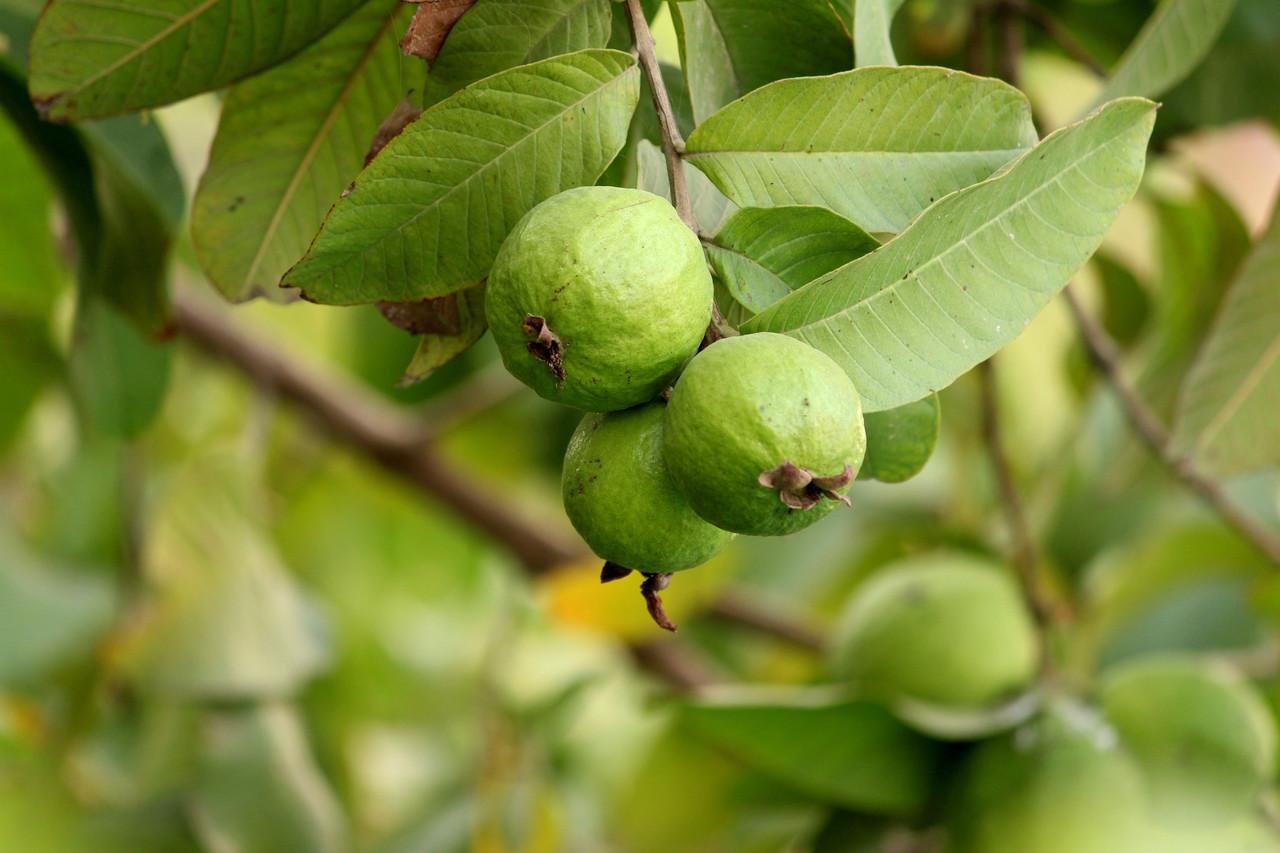
Guava is a familiar fruit across Brazil, but far fewer people take advantage of the medicinal potential of guava leaves. Guava leaf tea (made from the leaves of Psidium guajava) has been used traditionally for generations—especially for digestive discomfort, immune support, and blood sugar balance.
In this guide, you’ll learn the top benefits of guava leaf tea, the right way to prepare it, how to use it safely, and who should avoid it.
This content is for informational purposes only and does not replace professional medical advice.
What Is Guava Leaf Tea?
Guava leaf tea is an herbal infusion made from the leaves of guava (Psidium guajava), a tropical tree in the Myrtaceae family. The leaves contain bioactive compounds such as tannins, flavonoids, and essential oils, which are associated with antioxidant, anti-inflammatory, antimicrobial, and anti-diarrheal activity.
Unlike the sweet fruit used in juices and desserts, the leaves have a more bitter, astringent taste—a common characteristic of tannin-rich medicinal plants.
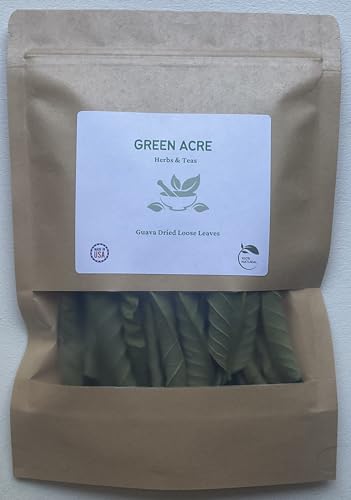
- Green Acre Herbs & Teas offers organically grown herb and tea leaves, all grown in the United States.
- All leaves are triple washed, caffeine free, 100% pure and natural. Organically grown and natural.
- Each resealable bag contains 28.35 grams or 1 ounce, of dried loose leaf herbs or teas.
10 Benefits of Guava Leaf Tea
1. Supports Diarrhea Relief and Digestive Upset
One of the most traditional uses of guava leaf tea is for diarrhea and intestinal discomfort. Tannins may help reduce intestinal inflammation and support the body during mild GI disturbances.
2. Helps Support Healthy Blood Sugar Levels
Research suggests guava leaf compounds may support post-meal glucose control, making it of interest for people with prediabetes or type 2 diabetes—always with medical guidance, especially if medications are involved.
3. Immune and Infection Support
Guava leaves have been studied for antimicrobial activity, which may help support the body during common seasonal issues.
4. May Ease Menstrual Cramps
Traditionally, guava leaf tea is used for abdominal cramping, including menstrual discomfort, due to its potential soothing and anti-inflammatory properties.
5. Can Assist Weight-Management Routines
Guava leaf tea may help support weight goals indirectly by promoting hydration and offering a mild appetite and digestion-support effect. It is not a “fat burner,” but it can fit into a balanced routine.
6. Supports Oral Health
Used as a mouth rinse, guava leaf tea is popular for bad breath, gum irritation, and mouth sores, thanks to its astringent and antimicrobial profile.
7. Supports Heart Health Markers
Some studies associate guava leaf intake with support for cholesterol balance, including LDL (“bad cholesterol”), as part of a broader healthy lifestyle.
8. Provides Antioxidant Protection
Guava leaves contain antioxidants that help combat oxidative stress, which is linked to cellular aging and chronic health concerns.
9. External Use for Skin Cleansing
Cooled tea can be used externally as a wash or compress to help cleanse minor skin irritation and support comfort.
10. Respiratory Comfort Support
By tradition, guava leaf tea is also used to support throat and respiratory comfort, particularly when irritation is related to inflammation.
How to Prepare Guava Leaf Tea Correctly
The preparation method matters. For guava leaves, a covered infusion is typically the best approach to preserve delicate compounds while extracting tannins properly.
Ingredients
- 1 tablespoon dried guava leaves (or 3 fresh leaves, well washed)
- 1 cup (250 ml) filtered water
Directions
- Heat water until it just reaches a boil.
- Turn off the heat, add the leaves, and cover.
- Steep for 10 minutes.
- Strain and drink warm.
How Often to Drink
- Common use: up to 2 cups per day
- For digestive support, many people prefer drinking it after meals.
Tip: If the tea feels too astringent, reduce the leaf amount slightly or steep for a shorter time.

- FAST BOILING: Chefman kettles boil water fast. Boil your water for as little as 3 minutes for tea, hot chocolate, pour-o…
- VARIABLE HEAT SETTINGS: Custom temperature control includes seven presets with boiling temps ranging from 160-212°F for …
- TRI-COLOR LED LIGHTS: Easily see when your glass teapot with infuser is in standby mode (white lights), heating mode (re…
How to Use Guava Leaf Tea Externally
After preparing the tea, let it cool completely and use as:
- Compress for minor skin discomfort
- Mouth rinse for oral freshness and gum comfort
- Sitz bath for mild intimate discomfort (only if recommended by a professional)
Contraindications and Safety Notes
Even natural teas require caution. Avoid or use only with professional guidance if you are:
- Pregnant (unless your clinician approves)
- Breastfeeding (safety data is limited)
- Giving it to children under 6
- Experiencing severe constipation (tannins may worsen it)
- Taking diabetes medications (monitoring may be needed due to possible glucose-lowering effects)
If you use medicinal teas frequently, it’s wise to inform your healthcare professional—especially if you take prescription medications.
Extra Quality Tips
- Prefer reputable herbal suppliers (clean, well-identified plant material).
- Avoid harvesting leaves from trees exposed to pesticides or urban pollution.
- Store dried leaves in an airtight container, away from heat and light.

- 【High-Quality Stone】Our products are made of natural high-quality marble, artificially polished and polished on the outs…
- 【Kitchen Essentials】Select natural marble, more durable and not rusty than stainless steel mortar, healthier than wooden…
- 【Special Gift】In order to make it more convenient for customers to use, we add accessories such as spoons, brushes, and …
Keep Exploring on the Blog
Here are 3 strong internal-link suggestions (rotate these across posts):
- How to Prepare Herbal Tea Properly (infusion vs. decoction, steep times, water temp)
- Raspberry Leaf Tea (women’s wellness and traditional uses)
- Clove Tea (digestive support and daily-use ideas)
Conclusion
Guava leaf tea is a classic example of a simple herbal infusion with broad traditional use—especially for digestion, oral care, and metabolic support. Used responsibly and in moderation, it can be a valuable addition to your natural wellness routine.
Prepare your tea the right way
If you plan to use this plant to make tea, use the Nutritive Blog tea infusion timer. Proper infusion time helps preserve active compounds and ensures better results.
Author Box

Written by Alexandre Zorek
Administrator with postgraduate studies in Botany. Passionate about orchids, photography, and natural nutrition. Father of Bianca and Beatriz. Alexandre shares practical, reliable content about herbs, teas, fruits, and vegetables in an accessible way.