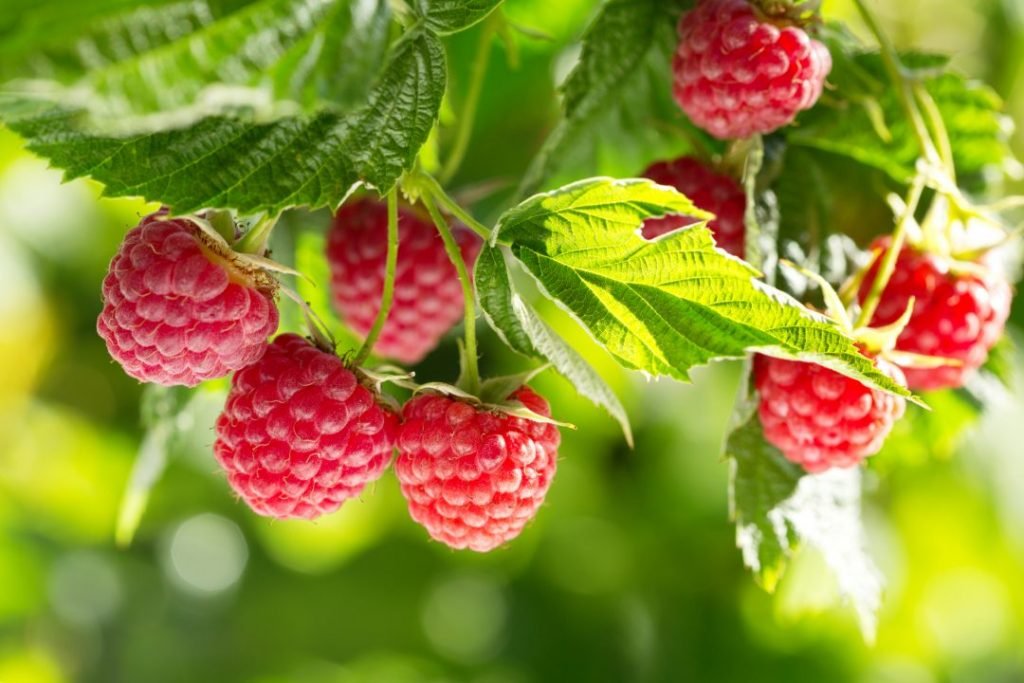
The raspberry plant (Rubus idaeus) is widely known for its delicious red fruits. However, what many people don’t realize is that raspberry leaves have been used for centuries in traditional herbal practices — especially by women seeking natural support for reproductive health and overall balance.
Raspberry leaf tea has a long history in European and North American herbalism and is still valued today for its gentle yet powerful properties.
In this article, you will learn what raspberry leaf tea is used for, how to prepare it correctly, who should avoid it, and how to safely include it in your routine.
⚠️ This content is for educational purposes only and does not replace medical or professional healthcare advice.
What Is Raspberry Leaf?
Raspberry leaf comes from the raspberry plant, a shrub belonging to the Rosaceae family, commonly grown in temperate regions. The leaves, not the fruit, are used to prepare herbal tea.
They are naturally rich in:
- Calcium
- Magnesium
- Iron
- Potassium
- Tannins
- Flavonoids
These compounds give raspberry leaf tea its astringent, anti-inflammatory, and toning properties, making it especially popular in women’s herbal care.
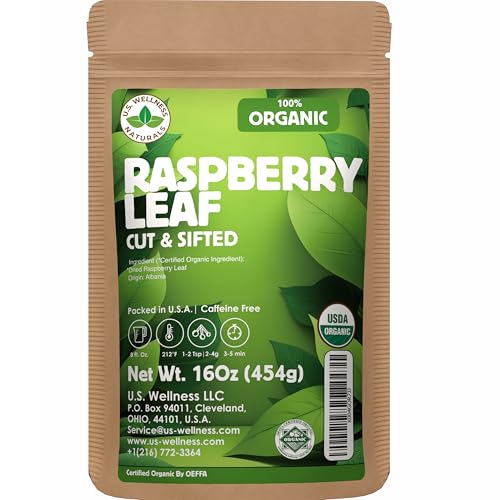
- CERTIFIED ORGANIC: This tea is made from wild-harvested raspberry leaves from the Albanian wilderness, ensuring organic …
- WILD HARVESTED: Sourced from wild raspberry plants, this tea offers a unique and authentic taste experience.
- ABUNDANT SERVINGS: With over 200+ servings, this pouch provides an ample supply of delicious raspberry leaf tea.
Main Benefits of Raspberry Leaf Tea
1. Helps Regulate the Menstrual Cycle
Raspberry leaf tea is traditionally used by women with irregular or painful menstrual cycles. Its plant compounds are believed to support hormonal balance, which may help reduce PMS symptoms such as bloating, irritability, and cramps.
2. Relieves Menstrual Cramps
Thanks to its mild muscle-relaxing action on the uterus, raspberry leaf tea may help ease menstrual discomfort and abdominal tension, offering a natural alternative for mild pain relief.
3. Supports Pregnancy (With Medical Guidance)
In traditional herbal practice, raspberry leaf tea is sometimes used during the third trimester of pregnancy to help tone and prepare the uterine muscles for labor.
⚠️ Important: It should never be used during early pregnancy and must only be consumed under professional medical guidance, as it may stimulate uterine contractions.
4. Aids Postpartum Recovery
After childbirth, raspberry leaf tea is traditionally used to support uterine recovery and hormonal regulation. Some women also report support for breast milk production, although evidence is mixed.
5. Antioxidant Support
The flavonoids found in raspberry leaves help combat oxidative stress, supporting cellular health and helping protect against premature aging.
6. Supports Bone Health
Because it contains calcium and magnesium, raspberry leaf tea may support bone strength, especially during menopause when mineral needs increase.
7. Digestive and Anti-Inflammatory Benefits
The tannins in raspberry leaves act as natural astringents, which may help in cases of mild diarrhea, intestinal inflammation, and digestive discomfort.
How to Prepare Raspberry Leaf Tea
The most effective way to prepare raspberry leaf tea is through infusion, which preserves its beneficial compounds.
Ingredients
- 1 tablespoon dried raspberry leaves
- 1 cup (250 ml) filtered water
Preparation Method
- Heat the water until it begins to boil.
- Turn off the heat and add the raspberry leaves.
- Cover and let steep for 10 minutes.
- Strain and drink warm.
Recommended intake: 1 to 2 cups per day, used moderately and not continuously without professional guidance.
For a deeper understanding of herbal tea preparation methods, see:
How to Prepare Medicinal Herbal Teas: Infusion, Decoction, and More
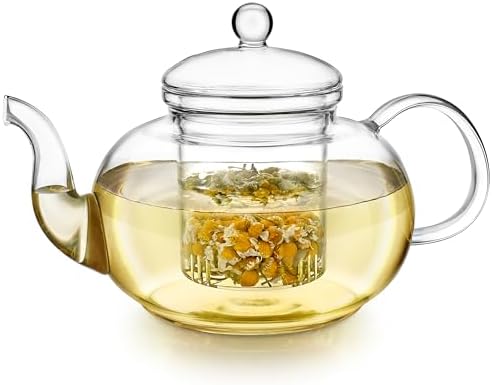
- NON-POROUS BOROSILICATE GLASS TEAPOT & INFUSER – Lead-free borosilicate glass is prized for its ability to resist extrem…
- STOVETOP SAFE & MICROWAVABLE FOR YOUR CONVENIENCE – Because this tea kettle is all clear borosilicate glass (including t…
- AIR PRESSURE RELEASING LID AND STAIN-FREE INFUSER – A well designed glass lid includes a small hole for air pressure rel…
When Should You Drink Raspberry Leaf Tea?
Raspberry leaf tea can be consumed between meals throughout the day. Women using it for menstrual or reproductive support should do so with professional guidance.
During pregnancy, use is generally restricted to the third trimester only, and only with healthcare supervision.
Who Should Avoid Raspberry Leaf Tea?
Despite its many benefits, raspberry leaf tea is not suitable for everyone:
- Pregnant women in the first or second trimester
- Individuals with severe gastritis or ulcers (due to tannins)
- Those taking anticoagulants or hormonal medications
- Children and breastfeeding women without medical advice
How to Dry and Store Raspberry Leaves
If you have access to fresh raspberry leaves, you can prepare your own dried supply:
- Harvest clean, healthy leaves.
- Dry them in a shaded, well-ventilated area for 5–7 days.
- Store in a sealed glass container, away from light and moisture.
Dried leaves keep their quality for up to 6 months.
Other Ways to Use Raspberry Leaf
Beyond tea, raspberry leaf may also be used as:
- Cold compresses made from the infusion for local inflammation or hemorrhoids
- Sitz baths for pelvic discomfort
- Tinctures and extracts, prescribed by herbal professionals
Other Herbs That Support Women’s Health
If raspberry leaf tea interests you, you may also enjoy learning about:
- Chamomile – calming and anti-inflammatory
- Horsetail – mineral-rich and supportive for bones
- Clove – antioxidant and digestive support
- Catuaba – traditional tonic herb

- Handy Kitchen Tool – Enjoy the rich flavors of fresh ground spices, paste, or herbs with our grinder mortar pestle set. …
- Crafted to Last – Made of solid marble stone, our molcajete bowl won’t easily break or crack even with frequent use. The…
- Beautiful Pill Crusher Set – The stone mortar and pestle are all white with gray accents and a smooth outer finish. This…
Conclusion: A Powerful Ally for Women’s Wellness
Raspberry leaf tea is more than a pleasant herbal drink. It represents a connection between traditional knowledge and modern wellness practices, offering meaningful support for women’s health when used responsibly.
Whether for menstrual balance, reproductive support, or overall well-being, raspberry leaf tea can be a valuable addition to a natural health routine.
Prepare your tea the right way
If you plan to use this plant to make tea, use the Nutritive Blog tea infusion timer. Proper infusion time helps preserve active compounds and ensures better results.
Author Box

Written by Alexandre Zorek
Administrator with postgraduate studies in Botany. Passionate about medicinal plants, natural nutrition, orchids, and photography. Father of Bianca and Beatriz. Alexandre shares reliable, practical knowledge about herbs, teas, fruits, and vegetables in a clear and accessible way.