Clove is far more than a fragrant spice used in baked goods and savory dishes. With its strong aroma and bold flavor, this small dried flower has a long history of medicinal use across different cultures. Clove tea, in particular, has gained popularity as a powerful herbal infusion with multiple health-supporting properties.
In this article, you’ll discover the main benefits of clove tea, how to prepare it properly, practical ways to use it in daily life, and when its consumption may not be recommended.
⚠️ This content is for educational purposes only and does not replace medical advice.
What Is Clove?
Clove is the dried flower bud of the tree Syzygium aromaticum, native to Indonesia and widely cultivated in tropical regions. It has been used for centuries in Traditional Chinese Medicine and Ayurveda due to its potent medicinal properties.
Cloves are rich in phenolic compounds, especially eugenol, a substance known for its antioxidant, analgesic, antimicrobial, antifungal, and anti-inflammatory effects.
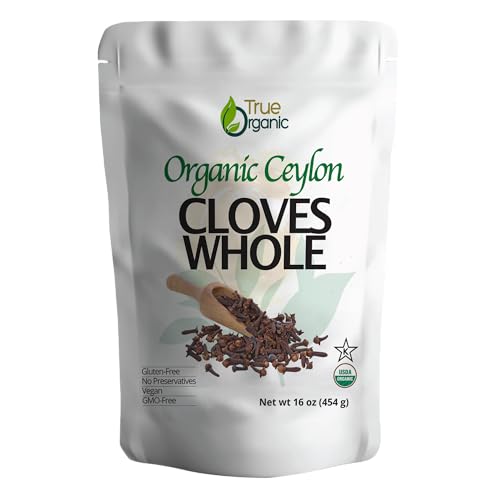
- Pure Ceylon USDA Certified Organic Quality – Contains premium organic cloves sourced directly from Sri Lanka (Ceylon). O…
- Premium Whole Cloves Bulk – 1 Pound Value Pack – Our organic cloves whole are packed in a generous whole cloves bulk 16 …
- Rich Aroma & Versatile Culinary Use – Add warm spice to curries, baked goods, teas, mulled drinks, and seasoning blends …
10 Benefits of Clove Tea
1. Supports Healthy Digestion
Clove tea stimulates digestive enzymes, helping relieve indigestion, gas, and bloating—especially after heavy meals.
2. Natural Pain Relief
Thanks to eugenol, clove tea provides mild natural pain relief and has traditionally been used to ease toothaches, headaches, and menstrual discomfort.
3. Anti-Inflammatory Action
Regular consumption may help reduce internal inflammation, offering support for inflammatory conditions when used responsibly.
4. Helps Fight Infections
Clove tea has antimicrobial properties that may help combat bacteria, fungi, and certain intestinal parasites.
5. Boosts Immune Defenses
Rich in antioxidants, cloves help protect cells from oxidative stress and support immune system function.
6. Promotes Oral Health
Used as a mouth rinse or gargle, clove tea can help reduce bad breath, soothe sore gums, and support oral hygiene.
👉 Related article: Chamomile Tea: Benefits and How to Prepare It
7. Helps Reduce Nausea
Clove tea may help relieve mild nausea and digestive discomfort when consumed in small amounts.
8. Traditionally Considered an Aphrodisiac
In traditional medicine, clove has been associated with increased vitality and libido in both men and women—though evidence is mostly anecdotal.
9. Supports Blood Sugar Balance
Some studies suggest that cloves may help support healthy blood sugar levels, making them of interest for metabolic wellness.
10. Antiparasitic Properties
Traditionally used in natural remedies for intestinal parasites, always with professional supervision—especially for children.
How to Make Clove Tea
Ingredients
- 5 to 7 whole cloves
- 1 cup (240 ml) of filtered water
Preparation
- Bring the water to a boil.
- Add the cloves.
- Cover and let steep for 10 minutes.
- Strain and drink warm.
You may also prepare clove tea using decoction, a method explained in detail in our guide:
👉 How to Prepare Herbal Teas Properly

- THE BEST OF FORM AND FUNCTION. The Kyoto Teapot was designed to deliver years of exceptional quality and tea-drinking pl…
- TWO-IN-ONE HEAT AND STEEP DESIGN. For use as a stovetop kettle and tea steeper – heat water then steep tea all with one …
- EXCEPTIONAL QUALITY AND HEALTH BENEFITS. Pure borosilicate glass stands above other teapot materials for health as well …
How to Use Clove Tea in Daily Life
- After meals: Supports digestion and reduces gas
- Before bedtime: Helps with relaxation and muscle tension
- As a gargle: Soothes sore throats and oral inflammation
- Foot soak: A strong infusion may help relax and stimulate circulation
Can Clove Tea Be Mixed With Other Ingredients?
Yes. Clove blends well with other herbs and spices, such as:
- Cinnamon: Enhances digestive and warming effects
- Ginger: Adds anti-inflammatory and antioxidant support
- Chamomile: Balances intensity with calming properties
📌 See also: Chamomile Tea: Calm and Digestive Support
Contraindications and Safety Considerations
Despite its benefits, clove tea should be consumed in moderation. Avoid or use caution if you:
- Are pregnant or breastfeeding (without medical guidance)
- Are giving it to small children
- Use blood-thinning medications
- Have severe gastric sensitivity or ulcers
Always consult a healthcare professional before long-term or regular use.
Tips to Maximize Benefits
- Use high-quality, whole cloves from a trusted source
- Avoid refined sugar; drink plain or sweeten lightly with honey
- Limit intake to 1–2 cups per day for no more than 7 consecutive days
Conclusion: Is Clove Tea Worth Drinking?
Clove tea is a powerful and accessible natural infusion that supports digestion, immunity, inflammation balance, and overall wellness. When used responsibly, it can be a valuable addition to a healthy routine.
Start with one cup per day, observe how your body responds, and focus on balance rather than excess.
Want to deepen your knowledge of herbal infusions? Explore our complete guide:
👉 How to Prepare Herbal Teas Safely and Effectively

- Important Note for Built to Last: Please clean and keep dry after use
- Made of 304 grade stainless steel, long lasting durability for a long time use. (The rivet is made of aluminum. Remember…
- Get the job done and easy to clasp shut, brew your leaf tea with ease
Continue Reading on Nutritive Blog
To keep learning and exploring natural health topics, check out these related articles:
- Catuaba Tea: Energy and Vitality Support
- Cinnamon Tea: Benefits and How to Prepare
- Horsetail Tea: Does It Really Reduce Bloating?
Prepare your tea the right way
If you plan to use this plant to make tea, use the Nutritive Blog tea infusion timer. Proper infusion time helps preserve active compounds and ensures better results.
Author Box

Written by Alexandre Zorek
Administrator with postgraduate studies in Botany. Passionate about medicinal plants, natural nutrition, orchids, and photography. Father of Bianca and Beatriz. Alexandre shares reliable, accessible knowledge about herbs, teas, fruits, and natural wellness.