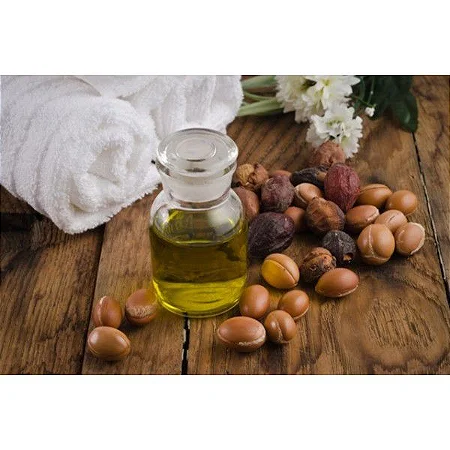
Copaiba (Copaifera langsdorffii) is a large tree native to the Amazon rainforest and other tropical regions of South America. The resin extracted from its trunk—known as copaiba oil—has been used for centuries in traditional medicine due to its powerful therapeutic properties. Widely valued for its anti-inflammatory, healing, and antibacterial actions, copaiba remains an important natural remedy with multiple applications.
In this article, you’ll learn what copaiba is, its main benefits, how to prepare copaiba tea properly, and the different ways this remarkable resin is used today.
⚠️ This content is for educational purposes only and does not replace medical or professional healthcare advice.
What Is Copaiba?
Copaiba is a large tropical tree that can grow up to 130 feet (40 meters) tall. It is primarily found in the Amazon Basin and surrounding regions. The medicinal substance comes not from its leaves or bark, but from the oleoresin tapped directly from the trunk.
This resin is rich in sesquiterpenes and diterpenic acids, bioactive compounds responsible for its anti-inflammatory, antimicrobial, healing, and analgesic properties. Today, copaiba oil is widely used in natural medicine, skincare products, and some herbal preparations.
Health Benefits of Copaiba Oil and Tea
Copaiba can be used externally (oil, creams) or internally (tea or capsules), depending on the form and guidance. Below are its most recognized benefits.
1. Powerful Anti-Inflammatory Properties
Copaiba is best known for its strong anti-inflammatory effects. Studies suggest that its compounds help modulate inflammatory responses, making it useful for conditions involving chronic inflammation, such as joint discomfort and inflammatory skin issues.
2. Wound Healing and Skin Regeneration
Copaiba oil has long been used to support wound healing. When applied topically, it may help accelerate tissue repair, reduce irritation, and promote skin regeneration in minor cuts, burns, and abrasions.
👉 Related reading: Comfrey: Why You Should Not Drink Comfrey Tea (and Safe Alternatives)
3. Respiratory Comfort Support
Traditionally, copaiba tea has been used to support respiratory comfort during colds, coughs, and mild bronchial congestion. Its expectorant properties may help loosen mucus and ease breathing.

- PURE ORGANIC EXTRACT: Our unfiltered scented oil is extracted from the Copaiba trees in Brazil through a tree tapping pr…
- BATCH SPECIFIC GC-MS REPORTS ON EVERY OIL: Every bottle of oil from Plant Therapy goes through multiple rounds of testin…
- HIGH-QUALITY AFFORDABLE ESSENTIAL OILS: At Plant Therapy our goal is to positively impact the lives of as many people as…
4. Antibacterial and Antifungal Action
Laboratory studies show that copaiba oil exhibits antibacterial and antifungal activity against various microorganisms. This explains its traditional use for skin infections and, in some cases, urinary or respiratory support.
5. Digestive Support
Copaiba may help soothe the digestive system. Traditionally, it has been used to relieve indigestion, gas, and bloating. Some people use it as a gentle digestive aid after heavy meals.
6. Relief for Muscle and Joint Discomfort
Due to its analgesic and anti-inflammatory properties, copaiba oil is frequently used in massage blends to help relieve sore muscles, joint stiffness, and physical discomfort after exertion.
How to Prepare Copaiba Tea
Copaiba tea is a simple preparation, but it should be used with moderation and attention to quality.
Ingredients
- 1 teaspoon of copaiba resin
- 1 cup (240 ml) of hot water
Preparation
- Bring the water to a gentle boil.
- Remove from heat and add the copaiba resin.
- Cover and let steep for 10–15 minutes.
- Strain if needed and drink warm.
Recommended use: 1 cup per day, for short periods.
💡 If resin is unavailable, dried copaiba leaves may be used, though the effects are milder.
📌 Learn more here: How to Prepare Herbal Teas Safely – Step-by-Step Guide

- THE BEST OF FORM AND FUNCTION. The Kyoto Teapot was designed to deliver years of exceptional quality and tea-drinking pl…
- TWO-IN-ONE HEAT AND STEEP DESIGN. For use as a stovetop kettle and tea steeper – heat water then steep tea all with one …
- EXCEPTIONAL QUALITY AND HEALTH BENEFITS. Pure borosilicate glass stands above other teapot materials for health as well …
How to Use Copaiba Oil
Beyond tea, copaiba oil is one of the most popular forms of this plant.
1. Topical Skin Use
Apply a small amount directly to the skin for minor cuts, acne, or irritation. Always perform a patch test first.
2. Massage for Muscle Relief
Dilute copaiba oil in a carrier oil (such as coconut or jojoba oil) and use it for relaxing massages on sore muscles or joints.
3. Aromatherapy
Though less common, copaiba essential oil can be diffused to promote relaxation and gentle respiratory comfort.
Precautions and Contraindications
While copaiba is widely used, some precautions are important:
- Pregnancy and breastfeeding: Avoid internal use unless directed by a healthcare professional.
- Liver conditions: People with liver disorders should consult a professional before internal use.
- Children: Not recommended without professional guidance.
- Moderation: Excessive or prolonged use may cause unwanted effects.
⚠️ Always choose high-quality, properly sourced products.
Interesting Facts About Copaiba
- Copaiba is considered sacred by some Indigenous Amazonian cultures.
- The resin has been traded for centuries due to its therapeutic value.
- Copaiba oil has one of the highest natural concentrations of diterpenic acids among medicinal resins.

- MEASUREMENTS AND BENEFITS: With a 6 inche diameter, this Granite Molcajete is perfect for preparing small to medium size…
- DURABLE CONSTRUCTION: Crafted from durable granite with a natural finish, this mortar and pestle set is easy to clean, o…
- FUNCTIONALITY & SIZE: With a 6 inche diameter, granite construction, and natural finish, this Molcajete Spice Grinder bl…
Conclusion
Copaiba is a remarkable natural resource with a long history of traditional use. Its anti-inflammatory, healing, and antimicrobial properties make it a versatile ally for natural wellness when used responsibly. Whether applied topically or prepared as a tea in moderation, copaiba continues to play an important role in herbal traditions.
To deepen your knowledge of medicinal plants and safe herbal practices, continue exploring our guides and resources.
Prepare your tea the right way
If you plan to use this plant to make tea, use the Nutritive Blog tea infusion timer. Proper infusion time helps preserve active compounds and ensures better results.
Author Box

Written by Alexandre Zorek
Administrator with postgraduate studies in Botany. Passionate about medicinal plants, natural nutrition, orchids, and photography. Father of Bianca and Beatriz. Alexandre shares reliable, practical knowledge about herbs, fruits, teas, and natural living.