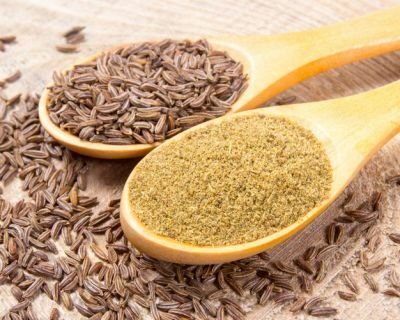
Cumin tea (Cuminum cyminum) is a spice widely recognized around the world, especially in Middle Eastern, Indian, Mediterranean, and Latin American cuisines. Known for its warm, slightly bitter, and aromatic flavor, cumin does more than enhance recipes — it has also been valued for centuries in traditional medicine.
Rich in essential oils, antioxidants, and bioactive compounds, cumin has been traditionally used to support digestion, reduce inflammation, strengthen the immune system, and promote respiratory health.
In this guide, you will learn:
- What cumin is and how it works in the body
- Its main health-related uses
- How to prepare cumin tea safely
- Other culinary and traditional applications
- Precautions and contraindications
⚠️ This content is for informational purposes only and does not replace medical advice.
What Is Cumin?
Cumin is a small annual herb from the Apiaceae family — the same botanical group as carrots, celery, parsley, and fennel. The seeds, which are actually dried fruits, are yellowish-brown and have a strong, distinctive aroma.
Native to regions of the Middle East and South Asia, cumin is now cultivated worldwide. Its medicinal properties are mainly attributed to compounds such as:
- Essential oils (especially cuminaldehyde)
- Flavonoids and polyphenols
- Tannins
- Minerals and trace antioxidants
Beyond its culinary use, cumin has long been included in traditional practices to address digestive discomfort, respiratory issues, mild infections, and metabolic balance.
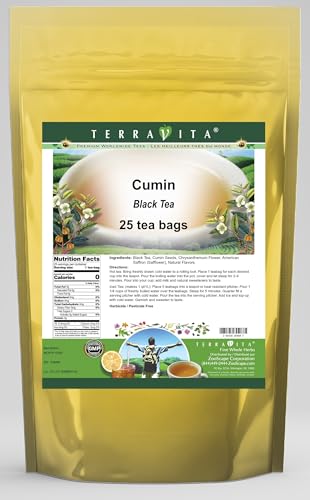
- Our Cumin Black Tea is a tasty flavored Black tea with Cumin Seeds, Chrysanthemum Flower and American Saffron (Safflower…
- No fillers.
- Manufacturer: TerraVita
Health-Related Benefits of Cumin tea
1. Supports Digestive Health
Cumin has well-known carminative properties, helping to reduce gas, bloating, and indigestion. Cumin tea is often consumed after meals to improve digestion and ease stomach discomfort.
2. Anti-Inflammatory Action
Bioactive compounds found in cumin exhibit anti-inflammatory effects, which may help reduce low-grade inflammation associated with joint discomfort and digestive irritation.
3. Helps Strengthen the Immune System
Cumin contains antioxidants and vitamin C–related compounds that support immune defenses, especially during seasonal colds and flu.
4. Antioxidant Protection
Flavonoids and polyphenols in cumin help neutralize free radicals, supporting cellular health and reducing oxidative stress linked to premature aging.
5. May Support Weight Management
Cumin has traditionally been used to stimulate metabolism and support fat digestion. While it is not a weight-loss cure, it may complement balanced nutrition and healthy habits.
6. Respiratory Comfort
Traditionally, cumin has been used as a mild expectorant, helping relieve congestion, cough, and sinus discomfort associated with respiratory conditions.
How to Prepare Cumin Tea
Cumin tea is a simple and effective way to enjoy the digestive and aromatic properties of this spice.
Ingredients
- 1 teaspoon cumin seeds
- 1 cup (240 ml) water
Preparation Method
- Bring the water to a boil.
- Add the cumin seeds and turn off the heat.
- Cover and steep for 5 to 10 minutes.
- Strain before drinking.
How to use:
- Drink once or twice daily
- Ideal after meals or during cold and flu discomfort
👉 Want to improve your technique? Read our full guide: How to Prepare Herbal Teas Properly (Infusion vs. Decoction)

- REDEFINE YOUR BREWING PROCESS- Made from premium grade borosilicate high heat resistant glass, our glass teapot is 100% …
- SAFE & EASY TO USE: The Hiware Glass Teapot with Mesh Infuser boasts a minimal design and in a breeze to use. It can be …
- FANTASTIC CHOICE- Our teapot comes in an elegant shape and assures the best quality, making it an ideal gift choice, no …
Other Uses of Cumin
1. Culinary Use
Cumin is widely used in seasoning blends, soups, rice dishes, roasted vegetables, meats, and curries. Its warm, earthy flavor is a cornerstone of many global cuisines.
2. Cumin Essential Oil
Extracted from the seeds, cumin essential oil is sometimes used in aromatherapy and traditional body care for digestive comfort and muscle relaxation.
⚠️ Note: Essential oils should never be ingested without professional supervision.
3. Natural Cosmetics
Due to its antioxidant and anti-inflammatory properties, cumin oil may appear in natural skincare formulations, such as massage oils and body creams.
Precautions and Contraindications
Cumin is generally safe in culinary and moderate tea use, but some precautions apply:
- Pregnancy and breastfeeding: Use in moderation; consult a healthcare professional.
- Allergies: People sensitive to Apiaceae plants (carrot, celery, fennel) should avoid cumin.
- Blood-thinning medications: Cumin may have mild anticoagulant effects — consult a professional if you take anticoagulants.
- Essential oil use: Highly concentrated — must be diluted and professionally guided.
How to Grow Cumin at Home
Cumin can be grown easily in home gardens under proper conditions.
Growing Tips
- Sun: Full sun exposure
- Soil: Well-drained, nutrient-rich soil
- Water: Moderate watering; avoid waterlogged soil
- Climate: Prefers warm, dry conditions (subtropical to temperate)
Growing your own cumin ensures freshness and quality for culinary use.

- MEASUREMENTS AND BENEFITS: With a 6 inche diameter, this Granite Molcajete is perfect for preparing small to medium size…
- DURABLE CONSTRUCTION: Crafted from durable granite with a natural finish, this mortar and pestle set is easy to clean, o…
- FUNCTIONALITY & SIZE: With a 6 inche diameter, granite construction, and natural finish, this Molcajete Spice Grinder bl…
Interesting Facts About Cumin
- Cumin was highly valued in ancient Egypt for both culinary and medicinal purposes.
- In Ayurveda, cumin is considered one of the most important digestive spices.
- Across cultures, cumin has been used to support digestion, respiratory health, and metabolic balance.
Continue Exploring Natural Ingredients
You may also enjoy reading:
- Peppermint Tea: Uses, Benefits, and How to Prepare
- Ginger Tea: Digestive Support and Immune Benefits
- How to Prepare Herbal Teas Safely and Effectively
Conclusion
Cumin is far more than a kitchen spice. Thanks to its digestive, antioxidant, and anti-inflammatory properties, it can be a valuable addition to a wellness-oriented lifestyle when used responsibly.
Whether enjoyed as a comforting tea or included in everyday cooking, cumin offers flavor and traditional health support in a natural and accessible way.
Prepare your tea the right way
If you plan to use this plant to make tea, use the Nutritive Blog tea infusion timer. Proper infusion time helps preserve active compounds and ensures better results.
Author Box

Written by Alexandre Zorek
Administrator with postgraduate studies in Botany. Passionate about medicinal plants, natural nutrition, orchids, and photography. Father of Bianca and Beatriz. Alexandre is dedicated to sharing reliable, practical, and safe information about herbs, fruits, teas, and natural ingredients.