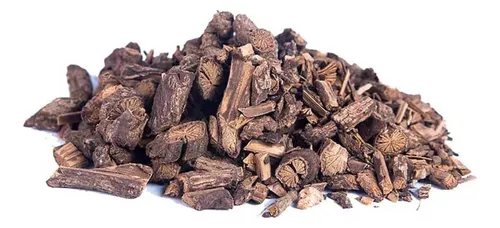
Mil-homens vine (Aristolochia cymbifera), known in Brazil as cipó-de-mil-homens, is a woody climbing plant native to the Atlantic Forest. It has a long history in Brazilian folk medicine, where it is traditionally associated with pain relief, inflammation control, wound care, and digestive support.
However, this is not a casual herbal tea. Plants from the Aristolochia genus contain aristolochic acids, compounds associated with serious kidney toxicity and carcinogenic risk when used improperly. For this reason, any discussion of this plant must prioritize education, caution, and professional guidance.
This article explains:
- What Mil-homens vine is
- Traditional folk uses
- How the tea is prepared in traditional contexts
- Critical safety warnings and contraindications
- Why modern herbal medicine urges extreme caution
⚠️ This content is informational only and does not replace medical advice.

- High-quality Glass: The DOPUDO tea cup is made of high-quality extra thick borosilicate glass, which is lead free, and d…
- Designed for ONE: The teacup with infuser and lid is designed for one. Working in the office with a cup of brewing flowe…
- Heart Warming Details: The cute glass lid is used to cover the mug when brewing tea and serve as a strainer holder after…
What Is Mil-Homens Vine?
Mil-homens vine (Aristolochia cymbifera) is a robust climbing plant with:
- Large, heart-shaped leaves
- Exotic, tubular flowers
- Thick, woody stems
Its popular name comes from the belief that the plant was strong enough to “heal a thousand men.” Historically, it was used by rural communities and Indigenous groups, mainly in southeastern and southern Brazil.
Botanically, it belongs to the Aristolochiaceae family — a group now recognized as high-risk in modern phytotherapy.
Traditional Folk Uses (Historical Context)
In traditional medicine, Mil-homens vine has been used for:
- Inflammatory conditions
- Muscle and joint pain
- Wound cleansing (external use)
- Digestive stimulation
- Menstrual discomfort
- Rheumatic pain
- Intestinal parasites (folk use only)
❗ Important: These uses come from traditional knowledge. They are not endorsed by modern medical guidelines due to safety concerns.
7 Traditionally Attributed Properties (With Scientific Caution)
1. Anti-Inflammatory (Folk Use)
Historically used to reduce inflammation in joints and muscles.
2. Analgesic (Pain Relief – Traditional Use)
Commonly cited for rheumatic pain and muscle discomfort.
3. Urinary and Antimicrobial Folk Applications
Used in some regions for urinary discomfort and infections.
4. Digestive Stimulant
Bitter compounds were believed to stimulate gastric secretions.
5. Menstrual Regulation (Traditional Belief)
Used in folk practices for cramps and cycle irregularity.
6. Wound Healing (Topical, Traditional)
Compresses were applied externally to assist skin healing.
7. Antiparasitic Folk Use
Cited in rural medicine for intestinal parasites — not recommended today.
⚠️ None of these uses justify unsupervised consumption.
How the Tea Was Traditionally Prepared (Educational Reference Only)
This section is provided strictly for educational and historical understanding.
It is NOT a recommendation for home use.
Ingredients
- 1 tablespoon dried, chopped vine stem
- 500 ml (about 2 cups) water
Preparation Method (Decoction)
- Combine water and plant material in a pot.
- Bring to a boil and simmer for 10 minutes.
- Turn off heat, cover, and steep for another 10 minutes.
- Strain before use.
Traditional limit:
- 1 cup per day
- Maximum of 7 consecutive days
For proper steeping ratios and timing, read: How to Prepare Medicinal Tea Correctly
🚨 Critical Safety Warning — Read Carefully
Aristolochic Acids = Serious Toxicity Risk
Modern research has linked plants from the Aristolochia genus to:
- Severe kidney damage (aristolochic acid nephropathy)
- Increased risk of urinary tract cancers
- Liver stress and failure with prolonged use
For this reason:
DO NOT USE if you:
- Are pregnant or breastfeeding
- Have kidney or liver disease
- Are under 18
- Use the plant for prolonged periods
- Use it without professional medical supervision
Avoid completely:
- Continuous use
- Internal use without expert supervision
- Mixing with other medications
Many countries restrict or ban internal use of Aristolochia species.

- Important Note for Built to Last: Please clean and keep dry after use
- Made of 304 grade stainless steel, long lasting durability for a long time use. (The rivet is made of aluminum. Remember…
- Get the job done and easy to clasp shut, brew your leaf tea with ease
Other Traditional Forms (Also High-Risk)
- Alcohol tinctures
- Herbal ointments
- Poultices and compresses
Even external use should be approached with caution and professional guidance.
Storage and Identification Matters
- Only use material clearly identified by scientific name
- Store in airtight containers
- Keep away from light and moisture
- Never harvest wild plants without expert identification
Misidentification significantly increases risk.
🌿 Safer Alternatives You May Want to Explore
To stay within safer herbal practices, consider reading:
- Chamomile Tea: Natural Calm and Sleep Support
- Mulberry Leaf Tea: Benefits for Hormonal Balance
- How to Prepare Medicinal Teas Safely (Infusion vs. Decoction)
These plants offer benefits without the severe toxicity risks.

- MEASUREMENTS AND BENEFITS: With a 6 inche diameter, this Granite Molcajete is perfect for preparing small to medium size…
- DURABLE CONSTRUCTION: Crafted from durable granite with a natural finish, this mortar and pestle set is easy to clean, o…
- FUNCTIONALITY & SIZE: With a 6 inche diameter, granite construction, and natural finish, this Molcajete Spice Grinder bl…
Conclusion: Should Mil-Homens Vine Be Used Today?
Mil-homens vine has an important place in the history of Brazilian folk medicine, but modern science clearly shows that its risks outweigh potential benefits for home use.
If you are exploring herbal remedies, this plant should be approached only as an educational reference, not a daily or experimental remedy. Always prioritize safety, evidence-based herbs, and professional guidance.
For natural wellness, there are many safer and well-studied plant options available.
Prepare your tea the right way
If you plan to use this plant to make tea, use the Nutritive Blog tea infusion timer. Proper infusion time helps preserve active compounds and ensures better results.
Author Box

Written by Alexandre Zorek
Administrator with postgraduate studies in Botany. Father of Bianca and Beatriz. Passionate about medicinal plants, natural health education, orchids, and photography. Alexandre focuses on translating plant science into clear, safe, and responsible wellness information.