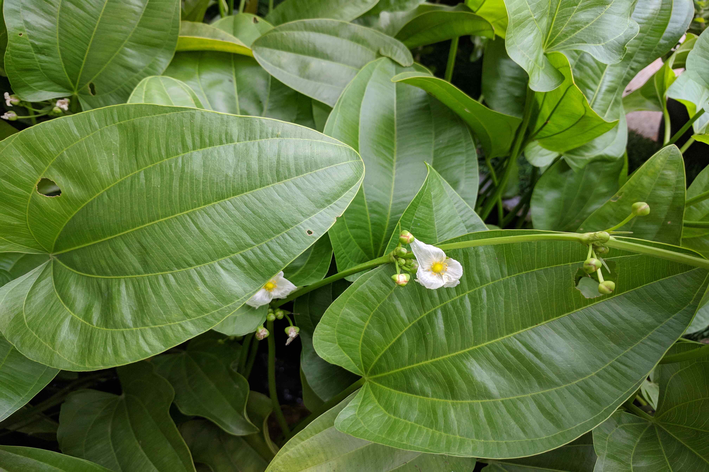
The Leather Hat Plant (Echinodorus grandiflorus) is a traditional South American medicinal herb long used for urinary, digestive, and inflammatory conditions. While relatively unknown in the United States, it is gaining attention among herbal enthusiasts for its diuretic, detox-supportive, and soothing properties.
In this complete guide, you’ll learn what this plant is, its health benefits, how to safely prepare the tea, and the best ways to use it at home.
⚠️ This content is for informational purposes only and does not replace professional medical advice.

- 【Stovetop Safe】Our glass teapot are made of borosilicate lead-free glass that is scratch resistant and can withstand tem…
- 【Removable Infuser】This glass teapot has a removable glass infuser. This infuser is made of 18/8 stainless steel and has…
- 【Ergonomic Design】The glass tea kettle is specially designed for one-handed operation. This glass tea pot is designed li…
What Is the Leather Hat Plant?
Echinodorus grandiflorus is a perennial herb native to Brazil and other tropical regions of South America. It grows naturally in wetlands and moist soils and is recognized by its broad, elongated leaves that form a large rosette. Although the plant itself is visually simple, it contains a notable concentration of bioactive compounds, including:
- Saponins
- Flavonoids
- Tannins
- Minerals and antioxidants
Traditionally, both the leaves and roots are used in herbal medicine, though the root is considered the most potent part.
Health Benefits of Leather Hat Plant Tea
Thanks to its unique composition, E. grandiflorus offers a variety of valuable wellness benefits.
1. Natural Diuretic for Reducing Water Retention
The Leather Hat Plant is widely used as a natural diuretic, promoting urine production and helping the body eliminate excess fluid and toxins. This makes it popular among people dealing with swelling, fluid retention, or mild hypertension.
2. Supports Urinary Tract Health
Because it increases urinary flow, the tea is traditionally used to help:
- relieve mild urinary tract discomfort
- reduce inflammation in the bladder
- assist the body during episodes of kidney stones
It is NOT a substitute for antibiotics, but may support comfort alongside medical guidance.
3. Helps with Digestion and Bloating
The herb has gentle digestive properties that may help with:
- indigestion
- gas
- abdominal bloating
- mild cramping
Many people use the tea after meals to support smoother digestion.

- Fine Mesh : Fri4free tea strainers for loose tea use reliable fine mesh that makes the mesh holes distributed evenly and…
- Easy to use: With our threaded lid design, tea infuser for loose tea are easy to open and close by simply screwing. Also…
- Premium Materials: The loose leaf tea infuser is made of 304 food-grade stainless steel, which is safe to use, and resil…
4. Anti-inflammatory Properties
Early research suggests that compounds in E. grandiflorus may help reduce inflammation, making it potentially helpful for:
- joint discomfort
- muscle soreness
- inflammatory conditions
More studies are needed, but traditional usage is long-established.
5. Supports Healthy Circulation
The plant is traditionally used to help improve circulation, reduce feelings of heavy legs, and ease muscle fatigue associated with poor blood flow.
6. Mild Calming and Relaxing Effect
Users often report that Leather Hat Plant Tea has a mild soothing effect, helping reduce tension, stress, and restlessness.
How to Prepare Leather Hat Plant Tea
Ingredients
- 1 tablespoon of dried Leather Hat Plant root
(or 1–2 teaspoons if using leaf instead of root) - 1 cup (240 ml) of water
Preparation (Infusion)
- Bring the water to a boil.
- Turn off the heat and add the dried roots.
- Cover and let steep for 10–15 minutes.
- Strain and serve warm.
You may sweeten with raw honey or stevia, if desired.
Recommended intake: 1–2 cups per day.
For the differences between infusion and decoction, proper ratios, and timing, read:
How to Prepare Medicinal Tea Correctly
Additional Uses of Leather Hat Plant
✔ External Use (Compresses)
A cooled infusion can be applied to the skin to soothe:
- minor irritations
- inflammation
- discomfort from swelling or fatigue
✔ Herbal Bath
Add 2–3 cups of strong infusion to a warm bath for muscle relief.
✔ Tinctures and Extracts
Available in herbal shops for more concentrated use.
Always follow professional guidance.
Safety, Precautions, and Who Should Avoid It
While generally considered safe when used properly, some precautions are important.
❌ Avoid if you are:
- pregnant or breastfeeding
- dealing with severe kidney disease
- using prescription diuretics
- under 18 years old
⚠ Possible side effects (usually from overuse):
- excessive urination
- electrolyte imbalance
- dehydration
- headaches
Always drink plenty of water during use.
Growing Leather Hat Plant at Home
The plant can be grown in containers or gardens in warmer climates.
Growing Tips
- Prefers moist, fertile soil
- Water regularly (do not let the soil dry out completely)
- Grows well in partial to full sun
- Thrives in warm, humid environments
With minimal care, it becomes a long-lasting medicinal plant in any home garden.

- Marble mortar and pestles for crushing foods and pills
- For crushing herbs and spices to release their full flavor
- Hand washing recommended
Want to Explore More Herbal Remedies?
- Anise Tea: Benefits, Uses, and How to Prepare
- Aloe Vera Tea: Benefits, Uses, and How to Prepare
- Horsetail Tea: Detox Support and Mineral Benefits
Conclusion
Leather Hat Plant Tea (Echinodorus grandiflorus) is an underrated yet powerful traditional herb with diuretic, anti-inflammatory, and circulation-supportive properties. Whether you want to ease swelling, improve digestion, or simply explore new medicinal herbs, this tea can be a valuable addition to your natural wellness routine.
Used responsibly—and always with medical guidance when needed—it becomes a versatile and effective herbal ally.
Ready to discover more natural remedies and powerful healing plants?
Explore the full tea and herbal medicine collection inside the Nutritive Blog!
Prepare your tea the right way
If you plan to use this plant to make tea, use the Nutritive Blog tea infusion timer. Proper infusion time helps preserve active compounds and ensures better results.
Author Box

Written by Alexandre Zorek
Administrator, postgraduate in Botany, father of Bianca and Beatriz. Passionate about orchids, natural health, photography, and educational content. Alexandre specializes in translating plant science into practical, accessible guidance for everyday wellness.