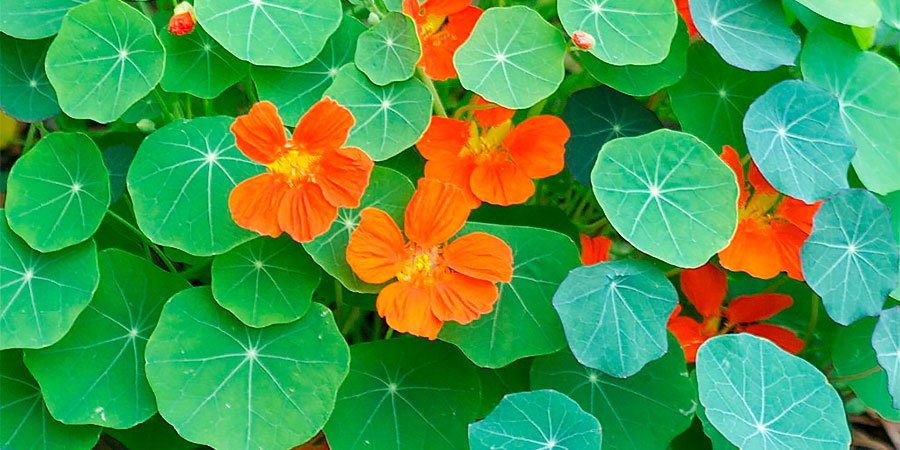
Nasturtium tea is a fragrant herbal infusion made from the flowers — and in some recipes, the leaves — of Tropaeolum majus. Across different regions, the plant is also called nasturtium, Indian cress, monks cress, or five-wounds flower, reflecting its long-standing role as both an ornamental and an edible plant. When you raise the cup to your nose, you’ll notice floral and herbal notes with a lightly peppery edge reminiscent of watercress and mustard.
In the kitchen, nasturtium has become a favorite edible flower: the blossoms brighten salads, syrups, and even homemade pickles (green seed pods often stand in for capers). In tea form, it’s a caffeine-free beverage that adds color and garden-like fragrance to the day — always as a sensory and cultural experience, not as a substitute for medical treatment.
⚠️ Disclaimer: This content is for informational purposes only and does not replace professional medical or nutritional guidance.
Why Nasturtium Tea Is So Appealing
Nasturtium tea delivers a delicate yet vibrant profile: a floral aroma with a fresh, peppery hint; a gentle herbal flavor reminiscent of watercress or mustard greens; and a warm golden color. Short infusions yield a light, crisp drink, while slightly longer steeping brings out stronger vegetal notes.
Sensory Profile (Light Infusion)
- Aroma: floral, fresh, lightly pungent
- Flavor: mild, herbaceous, peppery watercress-like notes
- Pairs well with: orange or lemon peel, ginger, mint, and cinnamon

- LARGE 1 OUNCE PACKET: Embark on a wildflower journey with our generous 1 ounce packet, bursting with over 200 pure live …
- NASTURTIUM JEWEL MIX: Add edible beauty to your garden with Nasturtium Jewel Mix! These bright, jewel-toned flowers bloo…
- THE FRESHEST SEEDS: Elevate your gardening game with our freshest seeds, ensuring high germination rates. Make gardening…
Culinary Benefits and Interesting Notes
- Caffeine-free ritual: A warm cup can help create a relaxing moment after meals — a quiet pause with garden-like aroma.
- Edible flower versatility: Nasturtium blossoms add color to syrups, salads, and fruit glazes; the green seed pods are famously used in homemade “false capers.”
- Bioactive compounds: Research highlights glucosinolates and pigments such as lutein in the flowers and leaves — compounds that influence aroma and color. These do not justify medical claims; enjoy the plant primarily as food.
Traditional and Popular Uses
Culinary and ethnobotanical records describe nasturtium as a multipurpose edible plant commonly used in salads, infusions, preserves, and light aqueous preparations. In some European traditions, nasturtium appears alongside horseradish in specific herbal formulations. In everyday cooking, however, the main uses remain gastronomic — fresh flowers, leafy notes, and mild infusions.
Nutritional Table — Fresh Nasturtium Flowers (100 g)
| Component (100 g) | Amount | %DV* |
|---|---|---|
| Calories | ~28 kcal | 1% |
| Carbohydrates | 4.73 g | 2% |
| Protein | 1.48 g | 2% |
| Total Fat | 0.33 g | 1% |
| Fiber | 0.77 g | 3% |
| Vitamin C | ~100 mg | 222% |
*Percent Daily Values based on a 2,000-calorie diet.
Important: Herbal teas typically provide ~0.3 kcal/100 g and only trace micronutrients, since the infusion extracts very little plant matter. Nasturtium tea follows the same pattern — it is sensory, not nutritional.
How to Make Nasturtium Tea
Yields: 2 cups
Total Time: 7–10 minutes
Ingredients
- 2 teaspoons dried nasturtium flowers
or 4–5 clean fresh blossoms - Optional: 2–3 fresh leaves
- 500 ml water (about 2 cups)
- Optional add-ons: strips of orange or lemon peel (no pith), thin ginger slice
Instructions (Infusion)
- Bring the water just to a boil.
- Remove from heat, add flowers (and leaves if using), cover, and steep for 6–8 minutes.
- Strain gently and serve warm.
- For iced tea, chill and add ice and citrus.
If you’d like to revisit brewing techniques, see your guide: How to Prepare Natural Teas.
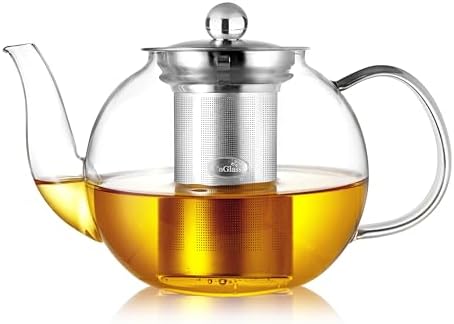
- Stovetop Safe:Durable borosilicate glass teapot used directly in the microwave oven,gas or electric stovetop,use medium …
- Dishwasher Safe:The entire teapot is detachable cleaning and built to last,saving you time on clean up in the kitchen
- Removable Infuser:High-grade 18/10 stainless steel mesh infuser filter for loose teas or blooming teas,the lid fits the …
Delicious Variations
- Citrus Fresh: iced nasturtium tea with lemon.
- Ginger Garden: nasturtium + ginger + a drizzle of honey (added after steeping).
- Floral Syrup: simmer equal parts tea and sugar until lightly thickened — perfect for sodas, fruit glazing, and cocktails/mocktails.
Culinary and Cosmetic Uses (With Caution)
In the kitchen
- Add blossoms to salads for color.
- Use leaves for herbal notes in omelets or broths.
- Try green seed pods preserved in vinegar as nasturtium “capers.”
Topical/skin use
Some people use cooled nasturtium infusions in compresses for their gentle sensory feel.
If you choose to try, always:
- avoid eyes/mucous membranes,
- patch-test first,
- stop if irritation appears.
Nasturtium essential oil (when present) is not meant for ingestion.
Storage and Growing Tips
- Fresh flowers: harvest in the morning when blooms are fully open; store refrigerated in a clean container lined with paper towel.
- Drying: air-dry blossoms in a shaded, ventilated place; store in an airtight container away from moisture and light.
- Cultivation: nasturtium is an easy annual — prefers full sun or partial shade, well-drained soil, and regular watering.
Precautions and Safety
- Bioactive compounds: nasturtium contains glucotropaeolin, which can form benzyl isothiocyanate (BITC). Because these compounds are biologically active, keep tea infusions light and avoid supplements without professional guidance.
- Pregnancy, breastfeeding, and children: due to lack of robust safety data for internal use, prefer moderation or avoid frequent use.
- Gastrointestinal sensitivity: individuals with sensitive digestion may prefer mild dilutions.
- Medication interactions: consult a healthcare provider if you take medications or have medical conditions.
- Quality matters: use labeled, food-grade blossoms; avoid urban harvesting due to contamination risk.
⚠️ This article is informational and does not replace medical advice.
FAQ — Nasturtium Tea
1) Does nasturtium tea contain caffeine?
No. It is naturally caffeine-free.
2) Can I drink it every day?
Use in moderation and rotate herbs. Consult a professional if pregnant, breastfeeding, taking medication, or managing a health condition.
3) Should I use flowers or leaves?
Both work:
- Flowers = floral, colorful, lightly peppery
- Leaves = greener, more mustard-like
4) Do nutrients transfer to the tea?
Very few. Like most herbal infusions, nasturtium tea is low-calorie with trace nutrients. To benefit from vitamin C or pigments, consume the fresh flowers in food.
5) Are “nasturtium capers” real?
Yes — green seed pods can be pickled and used just like capers.
6) Does it taste like watercress?
Yes. Its glucosinolates give it a peppery, watercress-like character.
Keep Readers Exploring — Suggested Reads
- Lemongrass Tea: a refreshing citrus-herbal option perfect for iced blends.
- Cinnamon Tea: warming, spicy, and ideal for fall and winter infusions.
- Calendula Tea: floral, golden, and popular for both culinary and topical preparations.

- Handy Kitchen Tool – Enjoy the rich flavors of fresh ground spices, paste, or herbs with our grinder mortar pestle set. …
- Crafted to Last – Made of solid marble stone, our molcajete bowl won’t easily break or crack even with frequent use. The…
- Beautiful Pill Crusher Set – The stone mortar and pestle are all white with gray accents and a smooth outer finish. This…
Conclusion
Nasturtium tea brings floral brightness, a subtle peppery note, and a splash of color to your caffeine-free routine. It’s a lovely way to introduce edible flowers into beverages while enjoying light herbal aromas. Keep infusions gentle, use high-quality plant material, and stay mindful of its naturally active compounds.
Ready to explore more flavors? Continue discovering new herbal teas right here on the Nutritive Blog.
⚠️ This content is for informational purposes only and does not replace professional medical or nutritional advice.
Prepare your tea the right way
If you plan to use this plant to make tea, use the Nutritive Blog tea infusion timer. Proper infusion time helps preserve active compounds and ensures better results.
About the Author

Alexandre Zorek holds a degree in Business Administration and a postgraduate specialization in Botany. Passionate about orchids, photography, and natural foods — and father to Bianca and Beatriz — he shares clear, trustworthy knowledge on plants, fruits, teas, and vegetables in a practical and approachable way.