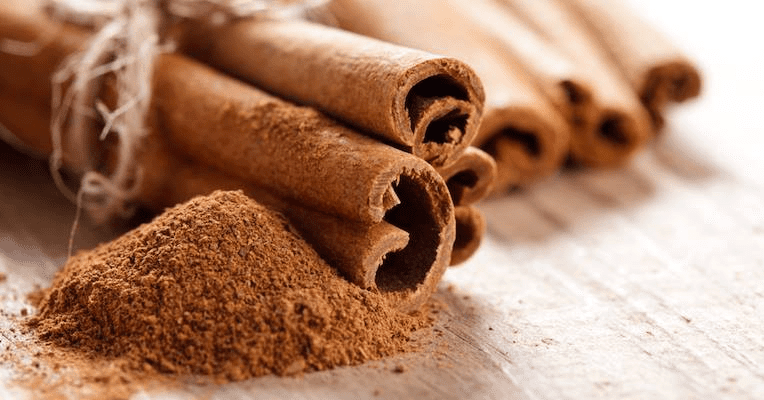
Cinnamon tea is a fragrant herbal infusion made from the bark of trees in the Cinnamomum genus. In everyday use, you’ll most often see two main types on U.S. labels:
- Ceylon cinnamon (Cinnamomum verum, often called “true cinnamon”), and
- Cassia cinnamons (C. cassia, C. burmannii, C. loureiroi), usually just labeled “cinnamon” in supermarkets.
The tea has a warm, spicy-sweet aroma, pairs beautifully with citrus and ginger, and is naturally caffeine-free. European herbal monographs list C. verum bark as a plant material for teas, reinforcing its role as a culinary/functional herb to be used with moderation — not as a stand-alone treatment.
A key safety point: cassia-type cinnamons tend to contain more coumarin, a compound that, in excess, may be harmful to the liver in sensitive individuals. European authorities set a Tolerable Daily Intake (TDI) of 0.1 mg of coumarin per kg of body weight per day, and German risk assessments recommend limiting cassia cinnamon and favoring Ceylon cinnamon when intake is frequent. For your daily cup, this translates into light infusions and a conscious choice of cinnamon type.
As with any aromatic plant, cinnamon calls for common sense. Health agencies and clinical summaries advise caution for pregnant and breastfeeding people, individuals with liver disease, and those taking certain medications (such as diabetes drugs and anticoagulants), especially with concentrated products and supplements. For a culinary tea (light infusions), the guiding word is moderation.
⚠️ Disclaimer: This content is for informational purposes only and does not replace professional medical or nutritional advice.
Why Cinnamon Tea Is So Popular
Cinnamon tea offers a cozy aroma with notes of vanilla, wood, and citrus. With short steeping times, the drink is golden and delicate; with slightly longer simmering (a gentle decoction), it turns amber and more intensely spiced.
Sensory Profile (Light Infusion / Gentle Decoction)
- Aroma: warm, spicy, sweet-woody
- Flavor: warming, lightly pungent, not strongly astringent
- Pairs well with: orange or lemon peel, ginger, cardamom, and cloves
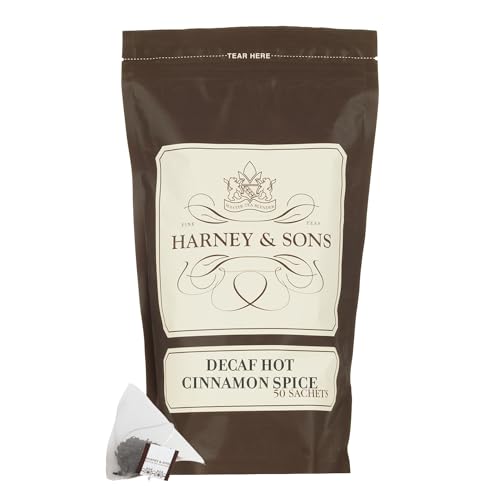
- DECAFFEINATED TEA – Harney & Sons Decaffeinated Hot Cinnamon – Ceylon Black Tea with Three Types of Cinnamon, Orange Pee…
- 50 COUNT – 50 Sachets per Bag
- FRAGRANT – Like its caffeinated counter-part, Harney & Sons Decaffeinated Hot Cinnamon Tea smells strongly of spices, pa…
Culinary Benefits and Interesting Notes
- Caffeine-free ritual: A warm mug of cinnamon tea can add a sense of comfort after meals or on chilly days, without any caffeine.
- Highly versatile in the kitchen: Cinnamon tea works as a base for drink syrups, sauces for baked fruit, and even as part of the cooking liquid for grains (replacing some of the water).
- Aroma chemistry that explains the flavor: Cinnamon’s characteristic flavor comes from compounds in its essential oil, especially cinnamaldehyde. Use the bark for tea; the essential oil itself is highly concentrated and should not be ingested directly.
Traditional and Popular Uses
European references describe Cinnamomum verum bark as a tea preparation (cut bark for oral use), and pharmacopoeias list standardized liquid formulations. In everyday cooking around the world, cinnamon is a classic spice for desserts, oatmeal, teas, and also savory dishes like stews, curries, and couscous.
These references help frame typical routes of use and reasonable limits, but they do not replace personal medical guidance.
Nutrition — Ground Cinnamon (100 g, Dry Ingredient)
The table below shows the nutrient profile for 100 g of ground cinnamon (the dry spice itself). This is mainly to illustrate the composition of the bark. A brewed cup of tea made with a small amount of cinnamon will contain only trace amounts of these nutrients, since the drink is mostly water.
| Component (100 g – ground cinnamon) | Amount | %DV* |
|---|---|---|
| Calories | 247 kcal | 12% |
| Carbohydrates | 80.6 g | 27% |
| Protein | 4.0 g | 5% |
| Total Fat | 1.2 g | 2% |
| Fiber | 53.1 g | 212% |
| Sugars | 2.2 g | — |
| Sodium | 10 mg | 0% |
| Potassium | 431 mg | 12% |
| Calcium | 1,002 mg | 100% |
| Iron | 8.3 mg | 59% |
| Magnesium | 60 mg | 23% |
| Phosphorus | 64 mg | 9% |
| Zinc | 1.83 mg | 26% |
*Daily Values (DV) based on a 2,000-calorie adult diet.
Practical note: a cup of tea usually uses only about 1–3 g of cinnamon, so these values do not translate directly to the drink in any significant way.
How to Make Cinnamon Tea
Yields: 2 cups
Total Time: 10–15 minutes
Ingredients
- 2 cinnamon sticks (about 4–6 g total), preferably labeled Cinnamomum verum (Ceylon cinnamon)
- 500 ml water (about 2 cups)
- Optional:
- strips of orange or lemon peel (without the white pith)
- a thin slice of fresh ginger
Step-by-Step (Light Decoction)
- Bring the water just to a boil.
- Add the cinnamon sticks, reduce the heat, and let it simmer gently for 8–10 minutes.
- Turn off the heat, cover, and let it steep for another 2–3 minutes.
- Strain and serve.
- For an iced version, let it cool, then serve over ice with citrus slices.
If you’d like to refine ratios and techniques (infusion vs. decoction) for different herbs, check your main guide on how to prepare natural teas.

- COMPLETE 10-PIECE TEA SET — Everything you need in one box: a 35oz/1000ml hand crafted borosilicate glass teapot, 4 insu…
- CRYSTAL-CLEAR BOROSILICATE GLASS — Made from lead-free, BPA-free borosilicate glass rated to 1022°F. Watch your blooming…
- STOVETOP, MICROWAVE AND DISHWASHER SAFE — Heat water directly on your gas stove or electric cooktop, reheat in the micro…
Flavorful Variations
- Citrus Iced Cinnamon Tea: simmer cinnamon, cool, then serve over ice with orange or lemon slices.
- Spiced Blend: cinnamon + ginger + a lightly crushed cardamom pod for a chai-style profile.
- Cinnamon Syrup for Drinks: simmer equal parts cinnamon tea and sugar until lightly syrupy; use in sodas, mocktails, or to sweeten cold brew coffee.
Culinary Uses and External Uses (With Care)
In the Kitchen
- Use cinnamon tea to:
- fragrance syrups and sauces for baked apples or pears,
- cook oatmeal, quinoa, or rice (replacing part of the water with tea),
- infuse flavor into custards, puddings, and non-alcoholic punches.
Cinnamon sticks can sometimes be reused for a second quick infusion if they still give off a strong aroma.
On Skin and in Baths (Caution)
- Some people use cooled cinnamon infusions in homemade herbal baths for the scent and warming feel.
- Cinnamon essential oil is extremely concentrated and can be irritating:
- do not ingest essential oil,
- on skin, use only in very low dilutions and always patch-test first,
- for pregnant people and those with sensitive skin, it’s safer to avoid topical essential-oil use altogether.
Storage and Product Quality
- Storage: keep cinnamon sticks and ground cinnamon in an airtight container, away from heat, light, and moisture. Sticks hold their aroma longer than powder — grind only what you need.
- Product identification:
- For frequent use, look for Ceylon cinnamon (Cinnamomum verum) on the label (lower typical coumarin content).
- “Cinnamon” without specification in U.S. grocery stores is usually cassia (C. cassia or C. burmannii), which tends to have higher coumarin and calls for moderation if used heavily.
- Growing (high level): cinnamon trees are tropical/subtropical evergreens. The spice comes from the inner bark of young branches, which is peeled, dried, and naturally curls into sticks.
Safety, Contraindications, and Precautions
- Coumarin and the liver:
- European authorities set a TDI of 0.1 mg/kg body weight/day for coumarin.
- Frequent, high intake of cassia-type cinnamon (especially in food plus supplements) may exceed this level in sensitive individuals.
- If you use cinnamon daily, especially beyond tea, favor Ceylon cinnamon (C. verum) whenever possible.
- Pregnancy and breastfeeding:
- Concentrated medicinal use or high supplemental doses of cinnamon bark are not recommended.
- For culinary tea, keep servings light and occasional, and discuss with your healthcare provider if you have any concerns.
- Medications:
- Health materials highlight caution for people taking antidiabetic drugs, anticoagulants, and potentially hepatotoxic medications, as cinnamon products may add to overall effects or risks.
- In these cases, stick to mild infusions and avoid supplements unless supervised.
- Essential oil:
- Do not ingest cinnamon essential oil.
- Even on skin, use only in very low dilution and discontinue at any sign of irritation.
⚠️ Reminder: This article is informational and does not replace professional medical advice, diagnosis, or treatment.
FAQ — Cinnamon Tea
1) Is “true cinnamon” really different from regular cinnamon?
Yes. Ceylon cinnamon (Cinnamomum verum) is usually milder and has much lower coumarin content. Cassia cinnamons tend to have a stronger flavor and higher coumarin, which is why Ceylon cinnamon is preferred for frequent use.
2) Can I drink cinnamon tea every day?
Use it with moderation and rotate with other herbal teas. If you have liver disease, are pregnant, are breastfeeding, or take medications such as diabetes drugs or blood thinners, talk with your healthcare provider before making cinnamon tea a daily habit.
3) Does cinnamon tea contain caffeine?
No. Cinnamon tea is an herbal spice infusion and is naturally caffeine-free.
4) Is it better to use sticks or ground cinnamon?
For tea, sticks are usually better: they extract flavor more gradually and are easy to strain. Ground cinnamon extracts faster but tends to cloud the drink and can leave sediment at the bottom.
5) Can I simmer cinnamon for a long time?
A gentle simmer for about 8–10 minutes followed by a short rest is usually enough. Very long decoctions can turn overly strong and bitter.
6) What goes well with cinnamon tea?
Citrus (orange or lemon), ginger, cardamom, and cloves all pair beautifully. For iced versions, finish with ice and sparkling water for a refreshing mocktail.

- Create Flavorful Dishes – Bring out the full flavors and aromas of your ingredients with our stone mortar and pestle set…
- A Versatile Mixing Tool – Crush and mash different types of seasonings in our grinding bowl. With its 8oz capacity, it i…
- Solid & Durable – You can count on our stone pestle and mortar to last many years. Made from solid granite, the 5-lb her…
Keep Readers on the Site: Related Herbal Guides
- Lemongrass Tea (Capim-Cidreira): Flavor, Uses, and How to Brew It Right
- Hibiscus Tea: Benefits, Color, and Safe Preparation Tips
- Calendula Tea: Floral Aroma, Kitchen Uses, and How to Make It Safely.
Conclusion
Cinnamon tea is a fragrant, versatile way to enrich your caffeine-free beverage routine. Whether you enjoy it hot on a cold evening or iced with citrus in the summer, it brings warmth, comfort, and depth of flavor to your mug.
For responsible use, choose clearly labeled cinnamon sticks (ideally Ceylon cinnamon if you drink it often), keep infusions light, and be mindful of coumarin intake, pregnancy, liver conditions, and possible drug interactions.
Ready to explore more? Check out other herbal guides on the Nutritive Blog and start creating your own signature blends at home.
⚠️ Final Reminder: This content is for informational purposes only and does not replace professional medical or nutritional advice.
Prepare your tea the right way
If you plan to use this plant to make tea, use the Nutritive Blog tea infusion timer. Proper infusion time helps preserve active compounds and ensures better results.
About the Author

Alexandre Zorek holds a degree in Business Administration and a postgraduate specialization in Botany. Passionate about orchids, photography, and natural foods, he shares clear, trustworthy information about plants, fruits, teas, and vegetables. As the father of Bianca and Beatriz, he values practical, safe guidance that fits real life.