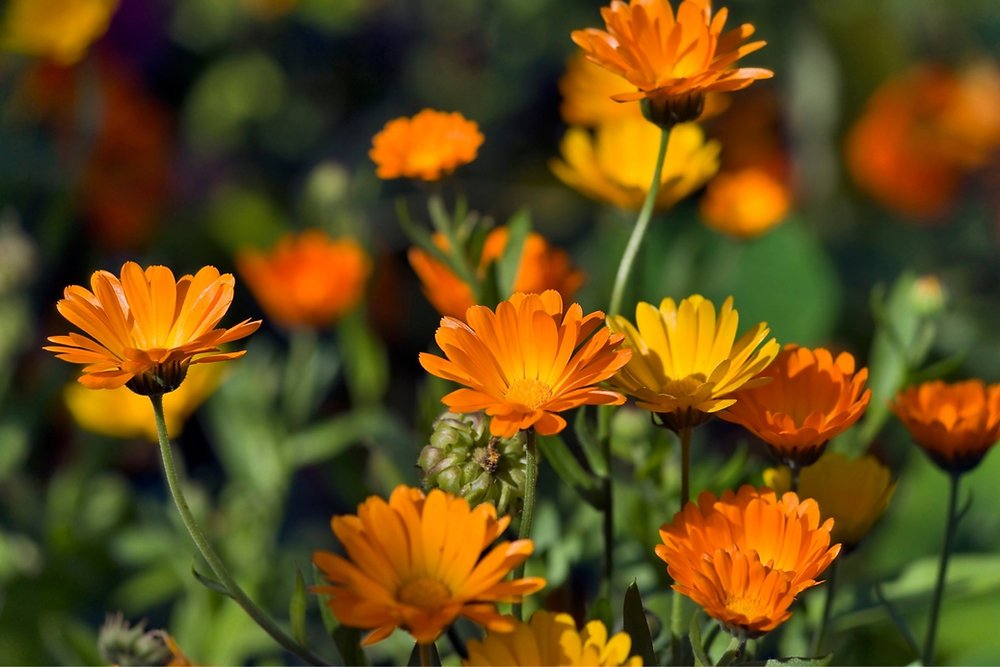
Calendula tea is a fragrant herbal infusion made from the bright orange-gold flowers of Calendula officinalis, often called pot marigold, “bem-me-quer,” or simply marigold. The petals give the drink a soft amber color and a gentle floral aroma — perfect for adding a caffeine-free option to your daily tea rotation.
In the kitchen, dried petals are used for light infusions, as a “poor man’s saffron” to color broths and rice, and even in flavored salts. In European herbal monographs, calendula flowers are described primarily for topical and oromucosal use (mouth rinses and gargles) in standardized preparations — a reminder that your home-brewed cup is a sensory beverage, not a medical treatment.
As part of the Asteraceae (ragweed) family, calendula deserves extra caution in individuals with seasonal allergies. People sensitive to ragweed, chrysanthemums, daisies, or related plants may react to calendula as well. During pregnancy and breastfeeding, moderation is especially important, since robust data on frequent internal use are limited.
⚠️ Disclaimer: This content is for informational purposes only and does not replace professional medical or nutritional guidance.
Why Calendula Tea Is So Appealing
Calendula tea is mild and comforting, with a soft floral aroma and a light honey-herbal note. Short steeping times yield a delicate, clear drink; slightly longer infusions deepen the golden color and bring in faint resinous tones. It pairs beautifully with citrus peel, ginger, and cinnamon.
Sensory Profile (Light Infusion)
- Aroma: floral, soft honey, gentle herbal backdrop
- Flavor: delicate, lightly resinous, not strongly bitter
- Color: translucent golden yellow
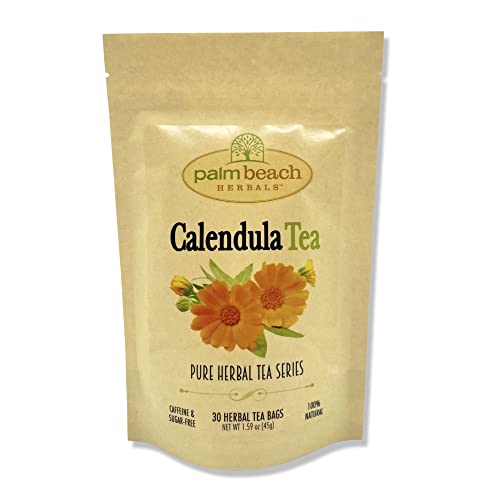
- Calendula Tea with 30 tea bags comes in a foil-lined, resealable pouch to lock in freshness. Part of our Pure Herbal Tea…
- Mildly sweet with earthy floral notes, our Calendula tea offers a soothing aroma that transports you to a serene garden….
- Precise brewing instructions ensure confident steeping and enjoyment of your Calendula. Perfect on its own or for creati…
Culinary Benefits & Interesting Notes
- Caffeine-free ritual: a warm mug of calendula tea can create a gentle pause after meals or at the end of the day.
- Color and aroma in the kitchen: finely crumbled petals are used to tint broths, rice dishes, and risottos (“false saffron effect”) and to perfume syrups for homemade sodas and mocktails.
- Botanical interest: modern reviews describe flavonoids and triterpenes in calendula flowers, helping explain its traditional topical and light oral uses in different cultures — but without supporting strong clinical claims.
Traditional & Popular Uses of Calendula Tea
Monographs and reviews report calendula preparations used as mouth rinses/gargles (oromucosal) and in topical applications (skin), especially in Europe, under standardized conditions. In everyday cooking, the petals are treated more like a mild culinary herb and natural colorant.
For home use, it is safest to treat calendula tea as a flavorful, aromatic drink, not as a stand-alone therapy.
Nutritional Table — Brewed Herbal Infusion (100 g)
Like other unsweetened herbal infusions, brewed calendula tea is almost entirely water.
Below are reference values per 100 g of brewed herbal tea (similar to chamomile), just to show the order of magnitude of nutrients in a cup of calendula tea:
| Component (100 g brewed) | Amount | %DV* |
|---|---|---|
| Calories | ~0.3–1 kcal | 0% |
| Carbohydrates | ~0.1–0.2 g | 0% |
| Protein | 0.0 g | 0% |
| Total Fat | 0.0 g | 0% |
| Sodium | ~1 mg | 0% |
| Potassium | ~6–9 mg | 0% |
| Calcium | ~2 mg | 0% |
| Iron | ~0.07–0.08 mg | 0% |
*Daily Values (DV) based on a 2,000-calorie adult diet.
Why so low? Only about 1–2 g of flowers are used per cup, so very few macronutrients actually migrate into the water.
How to Make Calendula Tea
Yields: 2 cups
Total Time: 7–9 minutes
Ingredients
- 1–2 teaspoons dried calendula flowers (Calendula officinalis), from a labeled product
- 500 ml water
- Optional:
- orange or lemon peel
- a thin slice of fresh ginger
- a small cinnamon stick
Step-by-Step (Infusion)
- Heat the water until it just begins to boil.
- Turn off the heat, add the calendula flowers, cover, and steep for 6–8 minutes.
- Strain gently and serve.
- Adjust with citrus peel and/or spices to taste.
If you’d like to refine steeping times, proportions, and techniques (infusion vs. decoction), check out your main guide on how to prepare natural teas.

- FAST BOILING: Chefman kettles boil water fast. Boil your water for as little as 3 minutes for tea, hot chocolate, pour-o…
- VARIABLE HEAT SETTINGS: Custom temperature control includes seven presets with boiling temps ranging from 160-212°F for …
- TRI-COLOR LED LIGHTS: Easily see when your glass teapot with infuser is in standby mode (white lights), heating mode (re…
Flavorful Variations
- Citrus Iced Calendula Tea: brew as above, chill, and serve over ice with fresh lemon.
- Honey-Spiced Calendula: combine calendula with cinnamon and ginger; sweeten with a little honey after steeping.
- Golden Syrup: simmer equal parts calendula tea and sugar until slightly syrupy; use to flavor homemade sodas or brush over roasted fruit.
Culinary & Cosmetic Uses (With Caution)
In the Kitchen
- Use dried petals to:
- color broths, rice dishes, and risottos,
- infuse salts,
- flavor syrups and ice cubes for mocktails.
The tea itself can become a base for aromatic ice cubes, herbal spritzers, and non-alcoholic cocktails.
On Skin and in the Mouth
Official monographs describe standardized calendula preparations for topical and oromucosal use (for example, mouth rinses and gargles), with clear directions and safety notes.
For home use:
- Always follow the label for any finished product.
- If using calendula-based products on skin or in the mouth, watch for irritation and stop if discomfort appears.
Storage & Growing Tips
- Storing dried flowers: keep in an airtight container, away from light and moisture. Discard if you notice mold or an off smell.
- Growing calendula at home:
- Easy-to-grow annual.
- Prefers full sun and well-drained soil.
- Harvest open flower heads, dry them in a shaded, airy space, and store once fully dry.
Calendula Tea: Safety, Contraindications & Precautions
- Asteraceae allergy: if you’re sensitive to ragweed, chrysanthemums, daisies, or related species, you may also react to calendula. Stop use if any allergic symptoms appear.
- Pregnancy & breastfeeding: favor moderation and avoid concentrated, frequent internal use without professional guidance. European authorities emphasize topical/oromucosal use and do not define robust safety for regular internal consumption.
- Young children: official materials are conservative about medicinal use in children. As a drink at home, keep calendula tea mild and occasional.
- Quality & sourcing: choose dried flowers labeled with the scientific name, batch/lot number, and origin. Avoid harvesting near roads, industrial areas, or other contaminated environments.
⚠️ Important: This information does not replace professional medical advice, diagnosis, or treatment.
FAQ — Calendula Tea
1) Does calendula tea contain caffeine?
No. It’s a floral infusion and naturally caffeine-free.
2) Can I drink calendula tea every day?
It’s better to use it in moderation. Enjoy it as an aromatic beverage. If you plan to drink it frequently for specific health goals, talk with a qualified health professional.
3) Can I add honey to calendula tea?
Absolutely. Honey pairs very well with its floral profile. Add it after steeping to preserve aroma.
4) Can I use it as a gargle or mouth rinse?
Monographs describe standardized calendula preparations for oromucosal use. At home, keep any gargle light and short-term, and stop if irritation occurs.
5) I’m allergic to ragweed. Is calendula safe for me?
If you have ragweed or Asteraceae allergies, calendula may trigger a similar reaction. It’s safest to avoid it or consult your allergist first.
6) Can I cook with calendula petals?
Yes. Use them sparingly to color and scent risottos, soups, herbed salts, and syrups.
- BUILT GORILLA GRIP TOUGH: the last mortar and pestle set you will ever buy, the Gorilla Grip Mortar and Pestle Set is ul…
- 100 PERCENT NATURAL GRANITE: Gorilla Grip granite is sourced from natural granite mines, then handcrafted with care; gra…
- GUACAMOLE, SPICES, NUTS, AND MORE: not just for guacamole, the mortar and pestle set is a great option for nearly any in…
Explore More Herbal Guides
To increase time on page and encourage your readers to discover more content, link to related teas:
- Chamomile Tea — Benefits, Flavor, and How to Brew It Right
- Anise Tea — Gentle Aroma, Uses, and Preparation Tips
- Anise Tea: Benefits, Uses, and How to Prepare
Conclusion
Calendula tea brings a soft floral aroma and a golden hue to your mug, making it an inviting caffeine-free option for everyday pauses. Beyond the cup, its petals add color and fragrance to savory dishes, syrups, and herbal drinks. To enjoy it safely, prioritize quality ingredients, respect allergies, and treat the tea as a pleasant sensory ritual rather than a cure.
Want to keep exploring? Dive into other herbal guides on the Nutritive Blog and expand your collection of comforting, flavorful teas.
⚠️ Final Reminder: This content is for informational purposes only and does not replace professional medical or nutritional advice.
Prepare your tea the right way
If you plan to use this plant to make tea, use the Nutritive Blog tea infusion timer. Proper infusion time helps preserve active compounds and ensures better results.
About the Author
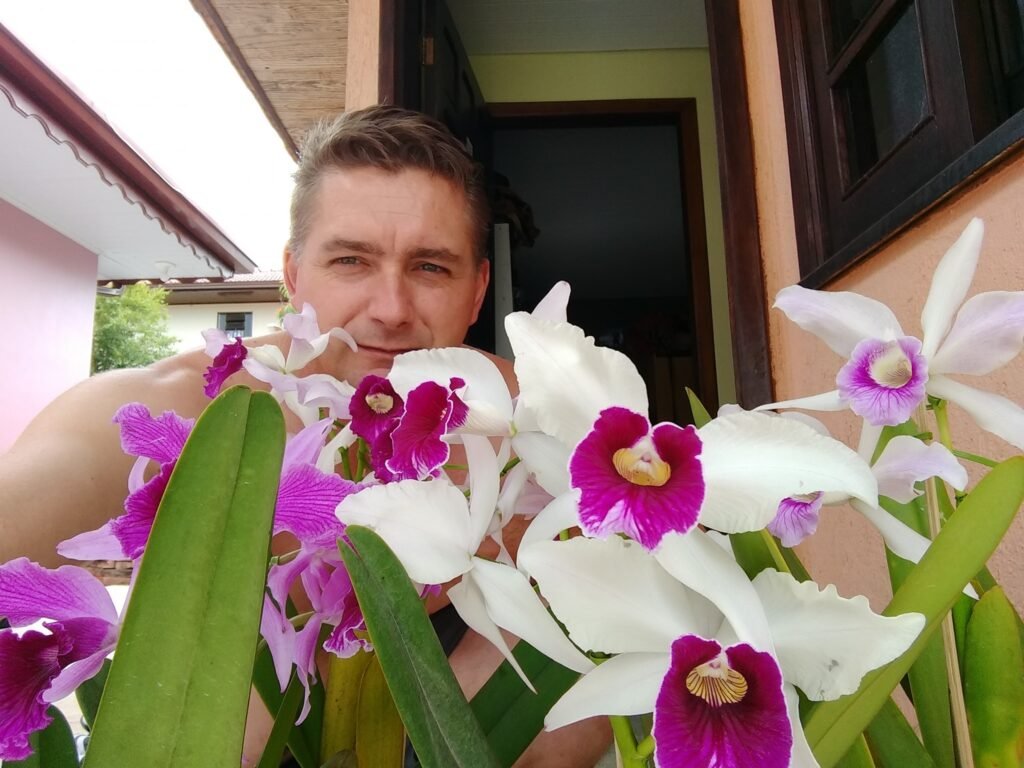
Alexandre Zorek holds a degree in Business Administration and a postgraduate specialization in Botany. Passionate about orchids, photography, and natural foods, he shares reliable, easy-to-understand information about plants, fruits, teas, and vegetables. As the father of Bianca and Beatriz, he values clarity, safety, and practicality in everything he writes.