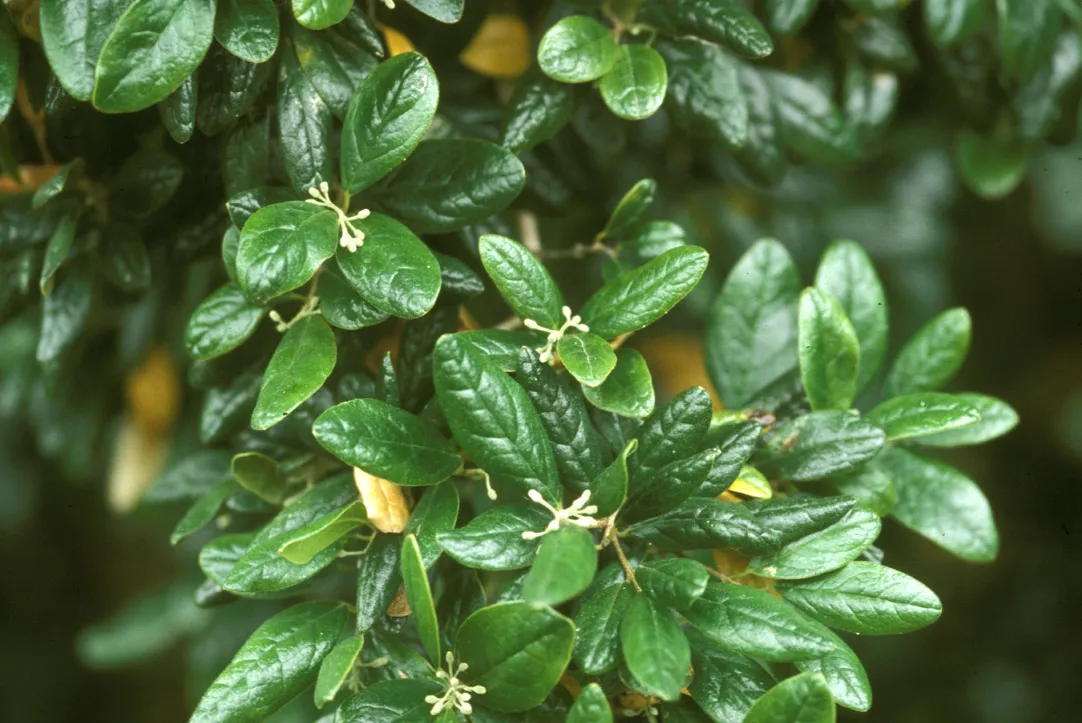
Boldo tea is traditionally prepared with the leaves of Peumus boldus, an aromatic tree native to Chile. In the United States, most store-bought boldo teas also use Peumus boldus leaves. However, in Brazil and other Latin American countries, the name “boldo” is also used for completely different plants such as Plectranthus barbatus, P. amboinicus, and P. neochilus—aromatic garden herbs often called “Brazilian boldo.”
These are not the same species.
This overlapping use of a single name explains why aroma, flavor, and safety guidelines vary so much between products. If you’re buying tea, always check the scientific name on the label to know which plant you’re actually using.
The tea itself delivers a pleasant bitter-herbal profile with a resinous aroma. It can be enjoyed plain or paired with fresh lemon peel, ginger, or cinnamon—served hot or iced. And like most unsweetened herbal teas, it contains almost zero calories.
⚠️ Safety First
Public health agencies in Europe and Latin America include clear warnings for Peumus boldus, such as avoiding use in:
- Gallstones
- Bile duct obstruction
- Liver disease
- Pregnancy
- Children
These cautions exist to support responsible use.
What Is Boldo Tea?
Under the umbrella name “boldo,” two very different categories of plants exist:
1. Peumus boldus (Chilean boldo)
- Tree species (family Monimiaceae)
- The official source for boldo leaf tea
- Contains alkaloids (like boldine) and essential oil components such as 1,8-cineole, terpineol, p-cymene, and in some chemotypes, ascaridole
- The species referenced in herbal monographs and official guidelines
2. Garden “boldos” (Plectranthus spp.)
- Succulent aromatic herbs (family Lamiaceae)
- Extremely common in Brazilian home gardens
- Not the same as Chilean boldo
- Different chemistry, different safety profiles
This guide focuses on Peumus boldus, the species used in most commercial teas available in the U.S.
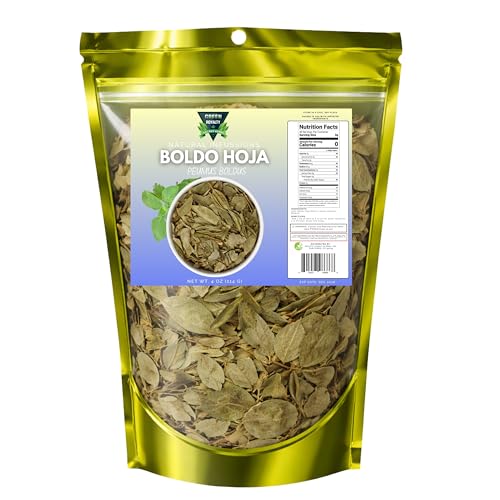
- ✔ 100% Natural Boldo Leaf (Peumus boldus) – Dried leaves with no fillers or additives
- ✔ Traditionally Brewed as Herbal Tea – Commonly enjoyed as a warm herbal infusion
- ✔ Caffeine-Free & Non-GMO – Suitable for any time of day
Why People Enjoy Boldo Tea
🌿 Flavor & Aroma
- Aroma: herbal, resinous
- Taste: pleasantly bitter with citrus-friendly notes
- Color: golden to light amber
🍋 Culinary Uses
- Excellent after meals as a comforting herbal ritual
- Pairs well with lemon, orange peel, ginger, or cinnamon
- Makes a good base for herbal syrups for mocktails
- Works well iced, especially with citrus
🌱 Aromatic Chemistry
Some batches of Peumus boldus contain strong-smelling constituents like ascaridole, which explains why aroma intensity varies significantly between brands and harvests.
Traditional & Popular Uses
Boldo tea has a long history in South America as a bitter herbal infusion typically enjoyed after meals. Official herbal formularies include Peumus boldus as a plant for oral use under strict guidelines, including limited duration and specific contraindications. These guidelines exist to support safe home use—not to replace professional advice.
Nutritional Table — Herbal Tea Brew (100 g)
(Reference values for herbal tea, as boldo tea has similar macros.)
| Component (per 100 g brewed tea) | Amount | % DV* |
|---|---|---|
| Energy | ~0.3–1 kcal | 0% |
| Carbohydrates | ~0.1–0.2 g | 0% |
| Protein | 0 g | 0% |
| Total Fat | 0 g | 0% |
| Sodium | ~1 mg | 0% |
| Potassium | ~6–9 mg | 0% |
| Calcium | ~2 mg | 0% |
| Iron | ~0.07–0.08 mg | 0% |
* Daily values based on a 2,000 kcal diet (U.S. standards).
Why so low?
Only 1–3 g of dried leaves are used per cup, so almost no macronutrients dissolve into the water.
How to Make Boldo Tea (Peumus boldus)
Makes: 2 cups • Time: 7–10 minutes
Ingredients
- 1 tablespoon dried Peumus boldus leaves
- 500 ml (2 cups) water
- Optional: lemon peel, ginger slice, or a cinnamon stick
Instructions
- Heat water until it reaches a near boil.
- Turn off heat and add the dried leaves.
- Cover and steep for 7–10 minutes.
- Strain gently and serve hot—or chill for iced tea.
- Adjust with citrus or spices if desired.
For help understanding infusion vs. decoction, see: How to Prepare Herbal Teas (Guide).

- REDEFINE YOUR BREWING PROCESS- Made from premium grade borosilicate high heat resistant glass, our glass teapot is 100% …
- SAFE & EASY TO USE: The Hiware Glass Teapot with Mesh Infuser boasts a minimal design and in a breeze to use. It can be …
- FANTASTIC CHOICE- Our teapot comes in an elegant shape and assures the best quality, making it an ideal gift choice, no …
Flavor Variations
🍋 Citrus Iced Boldo
Boldo + lemon slice, served over ice.
🔥 Warming Blend
Boldo + ginger + cinnamon.
🍯 Bitter-Citrus Syrup
Reduce equal parts boldo tea and sugar until slightly thickened. Great for mocktails.
Creative Ways to Use Boldo Tea
In the Kitchen
- As a base for herbal sodas or mocktails
- To brush over baked pears or apples
- To lightly aromatize cooking water for carrots or squash
Topical / Aromatherapy Use
Non-ingested folk uses include adding cooled infusions to herbal baths.
Always spot-test on skin and avoid sensitive areas.
Storage & Growing Notes
Storing Dried Boldo Leaves
- Keep in an airtight container
- Store away from heat, moisture, and light
- Discard if you notice mold, moisture, or off-smell
Growing Considerations
- Peumus boldus is a subtropical tree from Chile, not commonly grown in the U.S.
- Garden “boldos” (Plectranthus spp.) grow easily in warm climates but are not the same species used for the tea.
Safety, Contraindications & Important Notes
❌ Do NOT use boldo tea if you have:
- Gallstones
- Bile duct obstruction
- Cholangitis
- Liver disease
🚫 Avoid in:
- Pregnancy
- Breastfeeding
- Children
⚠ Additional Notes
- Do not use for long periods; short-term use only
- Discontinue if you experience discomfort
- Quality matters — look for products labeled Peumus boldus

- 【Pure Natural Marble】Made of marble, this mortar and pestle set features a textured interior for improved friction when …
- 【Unique existence】 Due to the change of the natural color of marble, each mortar and pestle is unique, (please allow a s…
- 【Easy to Clean】❤Please note: Due to its natural marble composition, there may be some powder initially. To fix this, gri…
FAQ (Frequently Asked Questions)
1) Is all “boldo” the same plant?
No. Chilean boldo (Peumus boldus) is the traditional tea plant.
Garden boldos (Plectranthus spp.) are different species.
2) Does boldo tea contain caffeine?
No. It’s naturally caffeine-free.
3) Can I drink boldo tea every day?
Not recommended. Official herbal guidelines suggest limited duration and list several contraindications.
4) Is it safe for people with gallbladder issues?
No. It’s specifically contraindicated.
5) Why does some boldo tea smell so strong?
Certain chemotypes contain ascaridole, a potent aromatic compound.
6) Can children drink boldo tea?
No. Safety is not established for minors.
Keep Exploring
To keep readers engaged and increase internal clicks, here are natural next-step suggestions:
👉 How to Prepare Herbal Teas (Beginner’s Guide)
👉 Burdock Root Tea – Benefits & How to Make It
👉 Purslane Tea – Flavor, Benefits & Safety Tips
Prepare your tea the right way
If you plan to use this plant to make tea, use the Nutritive Blog tea infusion timer. Proper infusion time helps preserve active compounds and ensures better results.
Conclusion
Boldo tea offers a pleasantly bitter, herbal flavor that pairs beautifully with citrus and warming spices. With reliable labeling, light infusions, and respect for established contraindications—especially regarding liver and gallbladder conditions—it can be a safe and enjoyable addition to your herbal tea rotation.
Want to explore more herbal flavors? Browse the other tea guides and expand your repertoire of comforting, aromatic drinks.