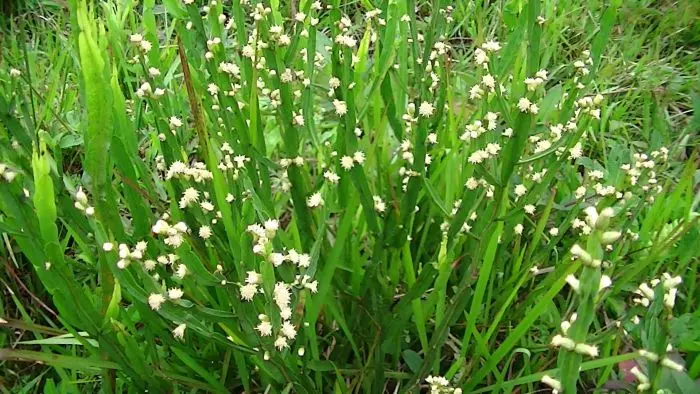
Baccharis tea is an herbal infusion made from the aerial parts of plants in the Baccharis genus—especially Baccharis trimera, popularly known as carqueja (and sometimes labeled Baccharis crispa in regional references). Across Brazil, you’ll find labels such as carqueja-amarga, carqueja, or simply baccharis. These naming variations are normal and reflect botanical synonymy and long-standing traditional use. UFSM
In everyday life, this tea is appreciated for its pleasant bitterness and herbal aroma. It’s delicious on its own or paired with citrus, ginger, or cinnamon. Carqueja appears on Brazil’s RENISUS list of plants of interest for research and rational use, which explains why it is frequently included in official herbal formularies and “farmácias vivas” (community herbal pharmacies). These resources always emphasize standardized preparations and important safety notes. Serviços e Informações do Brasil
Before moving on, a crucial reminder: pregnant and breastfeeding individuals should avoid drinking carqueja tea. Animal studies and technical reports indicate risks and a lack of confirmed safety for these groups. Anyone with medical conditions, those taking continuous medications, or those planning to use it frequently or in concentrated forms should seek professional guidance. ScienceDirect · CABI · Serviços e Informações do Brasil
⚠️ Disclaimer: This content is for informational purposes only and does not replace professional medical or nutritional advice.
Why Baccharis Tea Is So Enjoyable
Baccharis (carqueja) tea is a clean, golden herbal infusion with a bitter-tonic profile. Its taste ranges from lightly bitter (short steep) to moderately tonic (longer steep). It’s an excellent choice for anyone who enjoys herbs with a distinctive bittersweet character.
Sensory Profile (light infusion)
- Aroma: herbal and resinous, with a hint of dry grass
- Flavor: mild to moderate bitterness, depending on steep time
- Color: golden yellow, turning amber when more concentrated
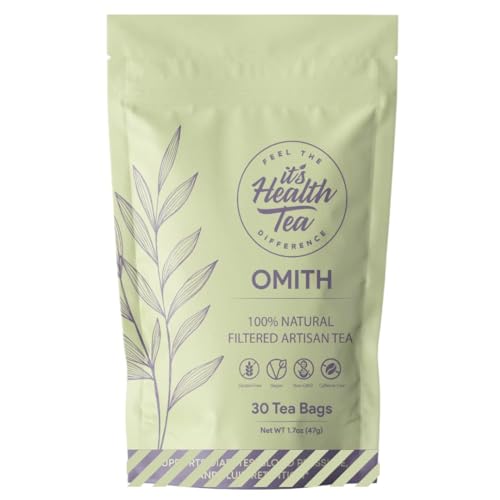
- SUPER HERB IN TEA: Carqueja / Omith is a super herb with many powerful benefits as its used to optimize health & wellnes…
- GREAT TASTING TEA: Enjoy a cup of Omith tea with its quality unique taste.
- NATURAL TEA: Gluten free. Caffeine free.
Culinary Benefits & Flavor Notes
- Mindful moment: A warm cup after meals can help create a moment of calm and presence.
- Elegant bitterness: The infusion works beautifully as a base for homemade syrups, fruit sauces, and artisan sodas.
- Easy pairings: Citrus (fresh), ginger (balanced heat), and cinnamon (comforting warmth).
- Technical recognition: Brazilian official formularies describe standardized preparations of carqueja, highlighting quality control and responsible use—useful for understanding safe limits. Fitoterapia Brasil
Traditional and Popular Uses
Carqueja has a long history of use in Brazil and neighboring South American countries. Academic reviews and public-domain materials document its traditional uses (infusions, tinctures, herbal baths), but these historical references do not replace individualized clinical recommendations. In everyday food culture, the focus is on mild, culinary-grade infusions for sensory enjoyment and personal rituals.
Nutritional Table — Prepared Herbal Infusion (per 100 g)
Herbal teas are mostly water with trace amounts of soluble compounds. Below is a reference table based on “herbal tea, brewed” (e.g., chamomile) from U.S. nutritional databases, which applies to a tea like Baccharis:
| Component (100 g – brewed infusion) | Amount | % DV* |
|---|---|---|
| Energy | ≈0.3–1 kcal | 0% |
| Carbohydrates | ≈0.1–0.2 g | 0% |
| Protein | 0.0 g | 0% |
| Total fat | 0.0 g | 0% |
| Fiber | 0.0 g | 0% |
| Sodium | ≈1 mg | 0% |
| Potassium | ≈6–9 mg | 0% |
| Calcium | ≈2 mg | 0% |
| Iron | ≈0.07–0.08 mg | 0% |
*Daily values estimated for a 2,000 kcal adult diet. Source: USDA/MyFoodData – “Beverages, tea, herb, brewed (chamomile)”.
Why so low? Because typical teas use just 1–3 g of dried plant per cup, meaning very few macronutrients transfer into the water.
How to Make Baccharis Tea (Practical Recipe)
Yield: 2 cups
Time: 8–10 minutes
Ingredients
- 1 tablespoon of dried aerial parts of carqueja (Baccharis trimera), from a reliable source
- 500 ml of water
- Optional: lemon or orange peel, a slice of ginger, or a cinnamon stick
Preparation (infusion)
- Heat the water until it begins to boil.
- Turn off the heat, add the carqueja, cover, and steep for 7–10 minutes.
- Strain gently and serve.
- Adjust with citrus or spices if desired.
(For a full guide on infusion vs. decoction techniques, steep times, and proportions, see our article: How to Prepare Natural Teas.)

- THE BEST OF FORM AND FUNCTION. The Kyoto Teapot was designed to deliver years of exceptional quality and tea-drinking pl…
- TWO-IN-ONE HEAT AND STEEP DESIGN. For use as a stovetop kettle and tea steeper – heat water then steep tea all with one …
- EXCEPTIONAL QUALITY AND HEALTH BENEFITS. Pure borosilicate glass stands above other teapot materials for health as well …
Flavor Variations
- Citrus & refreshing: carqueja + lemon; serve iced
- Warm herbal blend: carqueja + ginger + cinnamon
- Tonic syrup: reduce 1 part tea + 1 part sugar to a light syrup; use in sodas or to glaze baked fruits
Culinary Uses & Creative Ideas
- Beverages: enhances homemade sodas, mocktails, and infused waters
- Fruit sauces: great for perfuming pear or apple syrup with a refined bitterness
- Cooking water: cook carrots or potatoes in lightly aromatized water for a subtle herbal note
Cosmetic/Herbal Bath Use (with caution)
Some people use cooled carqueja tea in herbal baths for its fragrance. Do a patch test, avoid eyes/mucous membranes, and discontinue if irritation appears. These are traditional sensory uses—not guaranteed effects.
⚠️ Safety reminder: Informational only, not medical advice.
Storage & Cultivation
Storing the dried herb
- Keep in an airtight container away from heat, light, and humidity.
- Discard if you notice moisture, mold, or unusual smell.
- Choose products with scientific name, plant part used, batch, and origin.
Growing Baccharis (basic notes)
- Native to South America; hardy, thrives in full sun and well-drained soil.
- Harvest young tips and dry them in a shaded, ventilated area—only if you can correctly identify the species.
Precautions, Contraindications & Safety
- Pregnancy & breastfeeding: avoid. Animal studies report reproductive toxicity; no safety established.
- Frequent or concentrated use: seek a qualified professional.
- Allergies/sensitivities: discontinue if any reaction occurs.
- Chronic conditions / medications: consult a professional before drinking regularly.
- Product quality: choose reputable suppliers; botanical authentication reduces contamination/adulteration risks.

- 【High-Quality Stone】Our products are made of natural high-quality marble, artificially polished and polished on the outs…
- 【Kitchen Essentials】Select natural marble, more durable and not rusty than stainless steel mortar, healthier than wooden…
- 【Special Gift】In order to make it more convenient for customers to use, we add accessories such as spoons, brushes, and …
Frequently Asked Questions (FAQ)
1) Is “Baccharis” always the same plant?
No. Baccharis is a genus. In Brazil, “carqueja tea” usually refers to Baccharis trimera, but other species and synonyms exist (e.g., Baccharis crispa). Check the scientific name on the label.
2) Does Baccharis tea contain caffeine?
No. Herbal teas typically contain 0–1 kcal per 100 g and only trace nutrients.
3) Can I use fresh leaves?
Yes, as long as they are correctly identified and clean. Fresh material contains more water, so adjust the amount and keep the infusion mild.
4) Can pregnant individuals drink it?
No. Safety is not established, and animal studies show adverse effects.
5) Is there a standard dose?
Official documents describe technical preparations (tinctures, etc.). For home use, stick to light infusions and moderation.
6) Why do some labels say “carqueja-amarga” while others say “Baccharis crispa”?
These are synonyms and regional naming variations for Baccharis trimera.
Conclusion
Baccharis tea — especially carqueja (Baccharis trimera) — offers a pleasantly bitter, herbal flavor that adds diversity to your daily routine. It pairs beautifully with citrus and spices and serves as a versatile base for culinary experiments. To enjoy it safely, prioritize product quality, correct botanical identification, light infusions, and moderation. For frequent use or health-oriented aims, rely on professional guidance and official references.
⚠️ Final reminder: Informational content only; not a medical or nutritional prescription.
Prepare your tea the right way
If you plan to use this plant to make tea, use the Nutritive Blog tea infusion timer. Proper infusion time helps preserve active compounds and ensures better results.
Author Box

Written by Alexandre Zorek — graduate in Business Administration with postgraduate studies in Botany. Passionate about orchids, photography, and natural foods, and father to Bianca and Beatriz, he shares reliable, accessible knowledge about plants, fruits, teas, and vegetables.