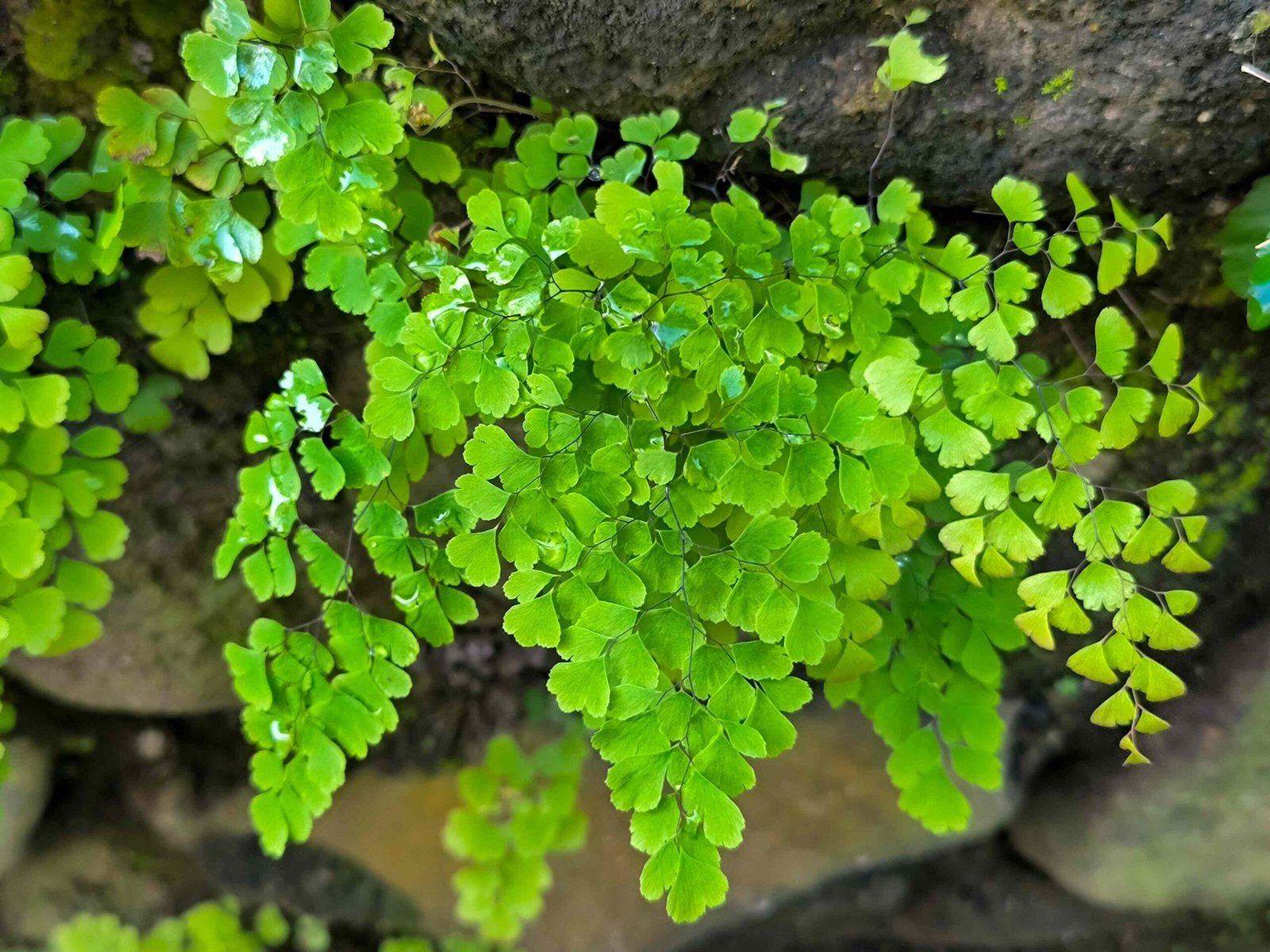
Maidenhair fern tea is a delicate herbal infusion made from the fronds of Adiantum capillus-veneris and other species within the Adiantum genus, commonly known as maidenhair fern, Venus hair, or southern maidenhair. The tea delivers a soft herbal aroma, a light green-leaf flavor, and a pale yellow color when brewed gently. Like other herbal teas, its purpose is to offer flavor, hydration variety, and a calming moment — not medical promises.
Before you begin, one safety note: as with many herbs, pregnant women should avoid maidenhair fern. University safety lists include the plant among herbs that may stimulate uterine contractions. Anyone with specific health conditions or planning regular or concentrated use should seek professional guidance. UTEP / University Herbal Safety Lists.
Maidenhair fern is a cosmopolitan fern that appears across multiple regions of the world. Historical texts mention its traditional use for centuries, and modern reviews detail its phytochemical profile — while also emphasizing that robust clinical evidence is limited. Here, we focus on culinary culture, well-being, and safe, light preparation.
⚠️ This content is for informational purposes only and does not replace professional medical or nutritional guidance.
What Is Maidenhair Fern Tea (and Why People Enjoy It)
Maidenhair fern tea is made by steeping small amounts of dried (or properly identified fresh) fronds in hot water for a few minutes. The result is a gentle herbal drink that fits well into daily routines — served warm, iced, or flavored with citrus.
Flavor Profile (Light Infusion)
- Aroma: soft herbal notes, reminiscent of tender green leaves
- Flavor: delicate, slightly vegetal; may become mildly bitter if over-steeped
- Color: pale yellow to light gold
- Great with: lemon or orange zest, ginger, cinnamon
- Maidenhair Fern tincture contains ONLY natural ingredients!
- High Quality Maidenhair Fern liquid extract- crude extract of first extraction! We meticulously produce our extracts acc…
- Super concentrated Maidenhair Fern extract: dry material / menstruum ratio 1:3!
Culinary Benefits & Pleasant Uses (Well-Being Focus, Not Cure Claims)
- Mindful ritual: a warm cup can help create slow, intentional moments during the day.
- Versatile flavor: its subtle taste combines well with citrus, ginger, and spices — great as a base for syrups or iced herbal drinks.
- Botanical heritage: reviews describe centuries of traditional use of Adiantum species — useful for cultural context, not as medical prescription.
Traditional & Popular Background
Academic reviews describe maidenhair fern in traditional preparations such as herbal infusions, homemade syrups, and aromatic baths. These records document cultural practices but do not replace modern medical guidance.
Nutritional Table — Brewed Herbal Tea (100 g)
Herbal teas are essentially water with trace nutrients. Below is a reference table for brewed herbal tea (similar to chamomile), helpful for understanding the nutritional scale of maidenhair fern tea without sugar.
| Component (100 g brewed) | Amount | % DV* |
|---|---|---|
| Energy | ~1 kcal | 0% |
| Carbohydrates | ~0.2 g | 0% |
| Protein | 0 g | 0% |
| Total fat | 0 g | 0% |
| Fiber | 0 g | 0% |
| Sodium | ~1 mg | 0% |
| Potassium | ~9 mg | 0% |
| Calcium | ~2 mg | 0% |
| Iron | ~0.07 mg | 0% |
*Daily Values based on a 2,000-kcal diet.
Source: USDA/MyFoodData — Beverages, tea, herb, brewed (chamomile).
Why so low?
Most cups use only 1–2 g of plant material, so very little transfers into the water.
How to Make Maidenhair Fern Tea (Practical Recipe)
Yields: 2 cups • Time: 8–10 minutes
Ingredients
- 1 level tablespoon of dried maidenhair fern fronds (Adiantum capillus-veneris)
- 500 ml (2 cups) hot water
- Optional: lemon zest, fennel seeds, or a thin slice of ginger
Preparation
- Heat the water until it just begins to boil.
- Turn off the heat, add the fronds, cover, and steep for 7–10 minutes.
- Strain gently and serve.
- Adjust with citrus or spices as you prefer.
Want to master infusion time, ratios, and technique?
➡️ See: How to Prepare Natural Teas.
Flavor Variations
- Citrus refresher: add orange peel and ice
- Warm herbal blend: ginger + cinnamon
- Maidenhair syrup: reduce 1 part tea + 1 part sugar into a light syrup for mocktails or glazing baked fruit

- 【Stovetop Safe】Our glass teapot are made of borosilicate lead-free glass that is scratch resistant and can withstand tem…
- 【Removable Infuser】This glass teapot has a removable glass infuser. This infuser is made of 18/8 stainless steel and has…
- 【Ergonomic Design】The glass tea kettle is specially designed for one-handed operation. This glass tea pot is designed li…
Culinary & (When Appropriate) Aromatic Uses
In the kitchen
- Adds a soft herbal note to syrups
- Aromatizes light sauces or fruit glazes
- Can gently flavor water used to cook vegetables
Aromatic (non-therapeutic) use — with caution
Some people use cooled maidenhair tea in herbal baths for the scent.
Always:
- Perform a patch test
- Avoid eyes/mucous membranes
- Stop if any irritation occurs
⚠️ Pregnant women should not use maidenhair fern internally, and topical use should also be avoided without professional advice.
Storage & Cultivation (Helpful Tips)
Storing dried maidenhair fern
- Keep in an airtight container, protected from heat, light, and moisture
- Discard if you notice mold, humidity, or unusual odor
Growing maidenhair fern (indoors/outdoors)
- Prefers shade or bright indirect light
- Does not tolerate strong sun or dry air
- Loves humidity; keep the soil lightly moist, without waterlogging
- Ideal locations: bright bathrooms or humid indoor spaces
- Avoid constant relocation; the plant is sensitive to environmental change
- Protect from drafts
Safety, Contraindications & Precautions
- ❌ Pregnancy & breastfeeding: avoid. Listed as a potential uterine stimulant. (UTEP)
- ❌ Frequent or concentrated use: seek professional guidance; clinical evidence is limited.
- ⚠️ Allergies: any plant may trigger reactions; discontinue if any discomfort occurs.
- ✔️ Identification matters: choose products with botanical name, plant part, lot, and source.
FAQ — Maidenhair Fern Tea
1) Is “maidenhair fern” always the same species?
Usually refers to Adiantum capillus-veneris, but other Adiantum species are sold as maidenhair. Always check the botanical name.
2) Does it contain caffeine?
No. Like other herbal teas, it generally provides 0–1 kcal per 100 g.
3) Can I use fresh fronds?
Yes — if properly identified and washed. Use slightly more than dried, since fresh material contains more water.
4) Can pregnant women drink maidenhair fern tea?
No. It appears on safety lists as an herb to avoid during pregnancy.
5) How long should it steep?
Start with 7–10 minutes. Longer steeping increases bitterness.
6) Can it be served iced?
Absolutely — chill, add ice and citrus for a refreshing herbal drink.
Further Reading
- Medicinal Properties of Adiantum capillus-veneris in Traditional Medicine and Modern Phytotherapy — PubMed/PMC
- On the Nutritive Blog:

- Handy Kitchen Tool – Enjoy the rich flavors of fresh ground spices, paste, or herbs with our grinder mortar pestle set. …
- Crafted to Last – Made of solid marble stone, our molcajete bowl won’t easily break or crack even with frequent use. The…
- Beautiful Pill Crusher Set – The stone mortar and pestle are all white with gray accents and a smooth outer finish. This…
Conclusion
Maidenhair fern tea offers a gentle herbal flavor that helps diversify your daily drinks — warm, iced, or in culinary creations like syrups. Because there are safety cautions (especially for pregnant women) and limited clinical evidence behind traditional claims, keep the focus on well-being, moderation, and verified sourcing.
Want to explore more herbal flavors? Browse the other teas on the Nutritive Blog!
⚠️ This content is for informational purposes only and does not replace professional medical guidance.
Prepare your tea the right way
If you plan to use this plant to make tea, use the Nutritive Blog tea infusion timer. Proper infusion time helps preserve active compounds and ensures better results.
Author Box

Written by Alexandre Zorek — graduate in Business Administration with postgraduate studies in Botany. Passionate about orchids, photography, and natural foods, father to Bianca and Beatriz, and dedicated to sharing reliable, practical knowledge about plants, fruits, teas, and vegetables.