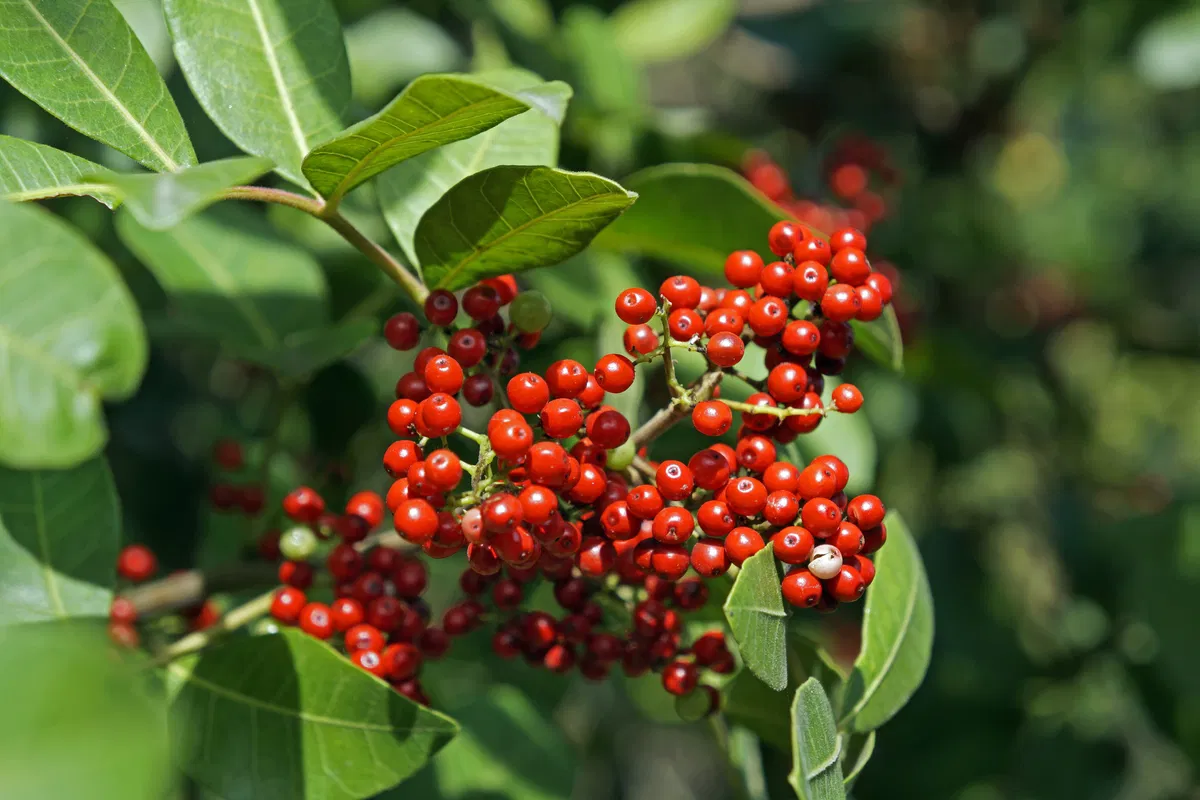
Brazilian pepper tea (aroeira tea) can be confusing because the name “aroeira” refers to different species in Brazil. The most cited are Brazilian pepper tree / pink peppercorn (Schinus terebinthifolius — also called aroeira-pimenteira or red aroeira) and aroeira-do-sertão (Myracrodruon urundeuva).
In this guide, we focus on a culinary, very light infusion made with Schinus terebinthifolius (the same plant that gives us pink peppercorns) and explain traditional mentions in the literature—always with clear safety notes and proper identification.
Important note for U.S. readers: Schinus terebinthifolius belongs to the Anacardiaceae family (same as cashew, mango, and poison ivy relatives). Sensitive individuals may develop contact or ingestion reactions. Start low, avoid skin/eye contact with raw material, and stop at any sign of discomfort.
What Is Aroeira (Brazilian Pepper) Tea—and Why People Like It
Aroeira tea is a gentle, aromatic infusion made from small amounts of properly identified culinary parts—most commonly whole pink peppercorns. The home-kitchen goal here is aroma and a mindful break, not treatment claims. It pairs well with lemon, orange, cinnamon, ginger, and even mint in creative blends.
Sensory profile (light infusion):
- Aroma: lightly balsamic with resinous, fruity notes
- Taste: soft; can feel slightly astringent if stronger
- Color: pale golden to light amber
Outside the cup, pink peppercorns are a beloved condiment for sauces, sweets, fruit, and savory dishes—known worldwide as poivre rose.
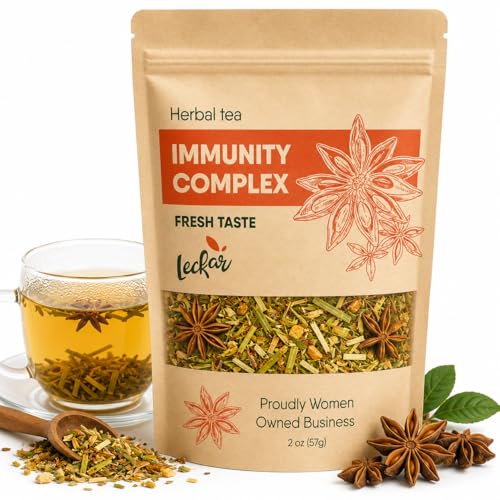
- [Smooth & Refreshing] A balanced infusion with a warm, aromatic character to elevate your tea break.
- [Quality & Purity] Certified organic and tested in a regulated facility, with no artificial additives or fillers.Organic…
- [Carefully Selected Ingredients] Lemongrass, ginger, fenugreek, star anise, and turmeric—whole herbs chosen for their ta…
Aroeira Tea Benefits and Culinary Notes
- Mindful hydration ritual: a warm cup helps mark pauses in the day.
- Light aromatization: a very mild Brazilian pepper infusion adds balsamic notes to syrups (great for homemade sodas and desserts).
- Spice harmony: delicious with cinnamon + ginger for a cozy profile; lemon or orange for a refreshing twist.
- Versatile condiment: beyond tea, pink pepper brightens sauces, marinades, roasted fruit, and salads.
Traditional Mentions (Context Only)
- Aroeira-pimenteira (Schinus terebinthifolius): appears in surveys and compilations of popular domestic uses (infusions and local preparations) and has well-documented culinary applications using pink peppercorns.
- Aroeira-do-sertão (Myracrodruon urundeuva): has a Brazilian official monograph for specific pharmaceutical preparations with strict warnings. That is not a green light for self-medication; it simply shows there is technical literature with rules and limits.
Bottom line: treat aroeira tea as a culinary, light infusion. For frequent use with health intentions, seek a qualified professional and official documents.
Nutrition (Prepared Herbal Tea, 100 g)
Like most herbal infusions, the finished tea (unsweetened) has very low calories and nutrients.
| Component (100 g – infusion) | Amount | %DV* |
|---|---|---|
| Energy | ~0.3 kcal | 0% |
| Carbohydrates | ~0.1 g | 0% |
| Protein | 0.0 g | 0% |
| Total Fat | 0.0 g | 0% |
| Fiber | 0.0 g | 0% |
| Sodium | ~1 mg | 0% |
| Potassium | ~6 mg | 0% |
*Reference: 2,000 kcal/day. Values are typical of herbal teas (the cup is mostly water with trace solubles).
How to Make Aroeira (Brazilian Pepper) Tea — Light Culinary Infusion
Yield: 2 cups • Time: 10–12 minutes
Ingredients
- 1 tsp whole pink peppercorns (Schinus terebinthifolius), or 1–2 very thin labeled bark shavings (food-grade, same species)
- 500 ml water
- Optional: lemon or orange slices, 1 cinnamon stick, thin ginger slice
Method
- Heat the water just to a near boil.
- Turn off heat, add pink peppercorns (or thin shavings), cover.
- Steep 7–10 minutes, strain gently, and serve. Adjust with citrus or cinnamon.
Want to master infusion vs. decoction, timing, and ratios? Read: How to Prepare Medicinal Tea Correctly
Flavor Ideas
- Citrus-floral: aroeira + lemon
- Cozy spice: aroeira + cinnamon + ginger
- Iced: chill and serve with ice and orange peel

- Upgraded Micron Mesh:The mesh of the House Again tea filters, thanks to a more advanced perforation process, can be micr…
- High-Quality Materials: Made of 304 food-grade stainless steel, loose tea steeper ensures that there is no metallic tast…
- Extended 4.7″ Chains:The chain of the tea ball infuser is designed to be extended with an S-shaped hook which can catch …
Culinary Uses (and Cosmetic Notes with Caution)
- Kitchen: besides a light tea, use pink pepper to finish roasted fruit, brighten salads and sauces, or perfume simple syrups for alcohol-free drinks.
- Topical/cosmetic (caution): some people use cooled infusions in herbal baths for fragrance. Patch-test first, avoid eyes/mucosa, and stop at any irritation—Anacardiaceae are linked to contact dermatitis in sensitive individuals.
Storage and Basic Cultivation
Storage (raw material)
- Keep whole pink peppercorns and any labeled shavings in an airtight jar, away from light, heat, and humidity.
- Prefer clearly labeled products (botanical name Schinus terebinthifolius, plant part, lot, origin).
About the plant (Brazilian pepper, Schinus terebinthifolius)
- Hardy tree native to South America; quick growth and wide adaptation.
- Produces showy red drupes loved by birds. For home use, stick to culinary-grade pink peppercorns from reliable suppliers.
Safety, Contraindications, and Aroeira Tea Warnings
- Correct ID is essential: use only Schinus terebinthifolius (Brazilian pepper / pink peppercorns) for a light culinary infusion. Other “aroeira” species are not the same.
- Allergy & sensitivity: Anacardiaceae family (cashew, mango, sumac relatives) has a history of contact dermatitis. If you’re sensitive, avoid or be extremely cautious.
- Pregnancy, breastfeeding, children: avoid frequent or concentrated use without individualized guidance.
- Interactions & discomfort: technical reports note possible GI and skin reactions in some contexts. Stop immediately if symptoms occur and seek advice.
- No self-medication: if your goal is therapeutic use, consult qualified professionals and official monographs. This article covers culinary use only.
FAQ — Aroeira (Brazilian Pepper) Tea
1) Is “aroeira” always the same plant?
No. It may refer to Brazilian pepper (Schinus terebinthifolius) or aroeira-do-sertão (Myracrodruon urundeuva), among others. Read labels.
2) Can I use grocery-store pink peppercorns for tea?
Yes—use whole pink peppercorns for a very light aromatic infusion. Don’t grind; small amounts are enough.
3) Does aroeira cause allergies?
It can in sensitive people, given its Anacardiaceae family. Patch-test and discontinue at any sign of reaction.
4) Can I make a strong bark decoction for “treatment”?
We do not provide treatment recipes. Therapeutic use requires professional supervision and official guidance.
5) Does aroeira tea have caffeine?
No. It’s an herbal infusion; when unsweetened, it’s typically very low in calories per serving.
6) What’s a starter ratio per cup?
For culinary light use: ½–1 tsp whole pink peppercorns (or 1–2 thin shavings) per 200–250 ml water.
7) Can I drink it iced?
Yes—brew, chill, and serve with ice and citrus peel.

- Handy Kitchen Tool – Enjoy the rich flavors of fresh ground spices, paste, or herbs with our grinder mortar pestle set. …
- Crafted to Last – Made of solid marble stone, our molcajete bowl won’t easily break or crack even with frequent use. The…
- Beautiful Pill Crusher Set – The stone mortar and pestle are all white with gray accents and a smooth outer finish. This…
Keep Exploring (Internal Links)
- How to Prepare Medicinal Tea Correctly
- Anise Tea: Benefits and How to Prepare
- Mulberry (Leaf) Tea: Benefits and How to Prepare
Conclusion
Aroeira (Brazilian pepper) tea, when treated as a light culinary infusion, can diversify hydration and inspire creative recipes with gentle balsamic notes. Because “aroeira” names different species, always prioritize clear labeling (botanical name) and reliable sources. For any frequent or health-oriented use, consult qualified professionals and official references. This way you enjoy the best of Brazilian pepper tea with safety and flavor.
Prepare your tea the right way
If you plan to use this plant to make tea, use the Nutritive Blog tea infusion timer. Proper infusion time helps preserve active compounds and ensures better results.
Author Box
Written by Alexandre Zorek, graduate in Business Administration and postgraduate in Botany. Passionate about orchids, photography, and natural nutrition, and father of Bianca and Beatriz, he shares reliable, practical knowledge about plants, fruits, teas, and vegetables.