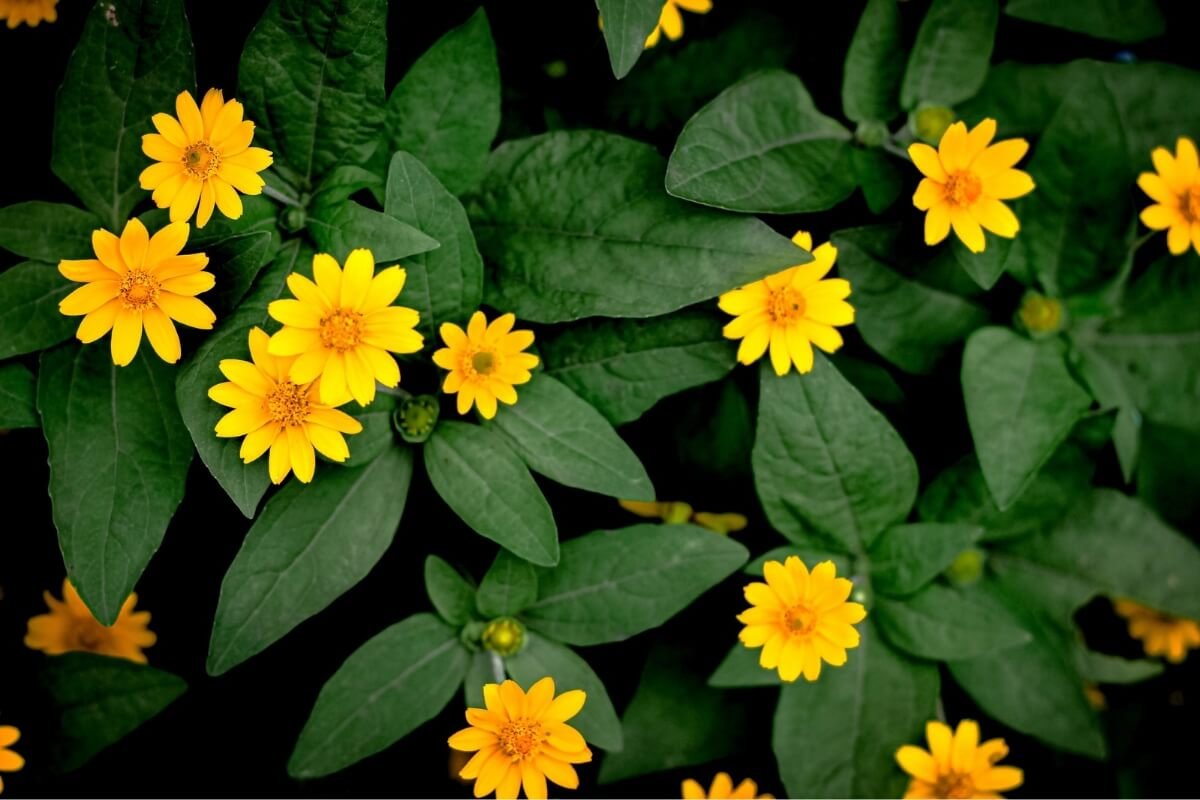
Arnica tea often appears in online searches and casual discussions — but let’s start with the most important point: arnica is not considered safe for ingestion.
According to the European Medicines Agency (EMA), Arnica montana flowers (Arnicae flos) are intended only for external use on intact skin (in creams, gels, or compresses). There are clear warnings against taking arnica internally.
In Brazil and other regions, the name “arnica” is also used for native plants like “Brazilian arnica” (Solidago chilensis), which is traditionally used in topical preparations — but it’s not the same species as Arnica montana.
This overlap in common names explains much of the confusion found online and reinforces the importance of botanical identification and professional guidance.
⚠️ Important Warning
This article is for informational purposes only and does not replace professional medical advice.
Arnica should never be consumed as tea. Use is limited to topical applications on intact skin, with trusted, labeled products.
🌿 Arnica — Only for External Use
European authorities are very clear: arnica is for external use only — creams, gels, and compresses applied on intact skin.
Do not ingest it. Hypersensitivity reactions are possible, especially for those allergic to the Asteraceae family (which includes daisies and chamomile). Do not apply arnica on broken or irritated skin. 【European Medicines Agency (EMA)】
U.S. health institutions also classify arnica as unsafe for oral consumption, citing the risk of toxic effects from compounds such as sesquiterpene lactones.
Pregnant and breastfeeding women should avoid arnica in all forms of ingestion. 【National Center for Biotechnology Information (NCBI)】
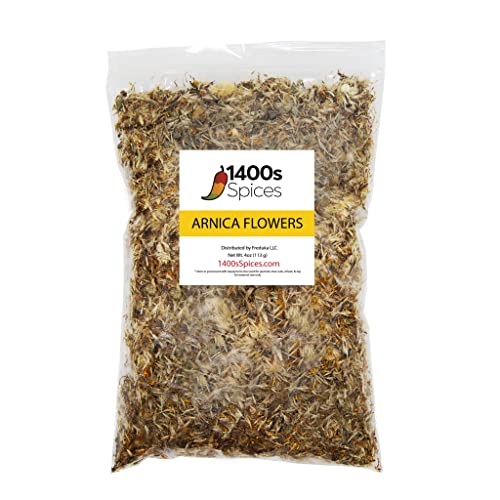
- Heterotheca inuloides, commonly known as Mexican Arnica, is a traditional botanical native to Mexico. This herb is natur…
- Also known as wolf’s bane and leopard’s bane
- Ideal for external use, it is often included in oils, salves, or herbal blends for those seeking a natural addition to t…
🍵 “Arnica Tea” — Why You Should Not Drink It
Unlike culinary herbs such as ginger, hibiscus, or lemongrass, arnica is not a food-grade plant.
Therefore, instead of thinking of it as a tea ingredient, consider these safe alternatives:
✅ Choose edible herbs for your relaxation ritual: ginger, hibiscus, chamomile, lemongrass, or mint (always in moderation).
✅ Use arnica only in external, ready-made products (creams, gels, sprays, or standardized solutions), always following the manufacturer’s instructions.
🌼 Traditional and Popular Uses
Historical records from Europe and South America describe external uses of arnica and related species (like Solidago chilensis).
Traditionally, arnica preparations were used as compresses on intact skin, always with properly labeled tinctures or gels — never home-made infusions for ingestion.
These are cultural practices, not therapeutic recommendations.
Always consult a professional before applying any herbal product to your skin. 【European Medicines Agency (EMA)】【Revista Fitos】
🧴 Safe “Recipe” — External Compress with Arnica
Do not drink. This preparation is for topical use only, following official monographs and product labeling.
Aromatic Arnica Compress (for intact skin only):
- Use a standardized arnica solution or tincture (commercial product with botanical name, concentration, and lot number).
- Dilute it in clean, lukewarm water according to the label instructions.
- Soak a clean gauze pad, gently apply it over the desired area without rubbing, and leave for a few minutes.
- Do not use on open wounds, mucous membranes, or irritated skin.
- Stop use immediately if discomfort occurs.
👉 Want safe teas to drink instead? Read:
How to Prepare Medicinal Tea Correctly

- COMPLETE 10-PIECE TEA SET — 35 oz / 1000 ml hand-crafted borosilicate glass teapot, removable 18/8 stainless-steel infus…
- CRYSTAL-CLEAR BOROSILICATE GLASS — Made from lead-free, BPA-free borosilicate glass rated to 1022°F. Watch your blooming…
- STOVETOP, MICROWAVE AND DISHWASHER SAFE — Heat water directly on your gas stove or electric cooktop, reheat in the micro…
💅 Cosmetic and External Use Only
- Not for ingestion. Arnica is not a food or beverage.
- Use in gels, creams, and sprays from reputable brands only.
- Follow label directions strictly, and stop use if irritation occurs.
【European Medicines Agency (EMA)】
🌿 Storage and Cultivation
- Ready-made products: keep closed, away from light and heat, and observe the expiration date.
- Dried material: if you legally cultivate arnica for external use, store the flowers in an airtight container, away from humidity.
- Cultivation:
- Arnica montana grows in cold, alpine climates (Europe). It doesn’t adapt well to hot regions.
- “Brazilian arnica” (Solidago chilensis) is a different species, adapted to subtropical climates, also used topically in folk medicine.
Always verify botanical identification before use.
📊 “Nutritional Table” — Why It Doesn’t Apply to Arnica
Nutrition tables (calories, proteins, carbs, etc.) apply to edible plants.
Since arnica is not intended for ingestion, there is no nutritional data in USDA or TACO databases.
| Item | Status |
|---|---|
| Calories, macronutrients | ❌ Not applicable (non-edible plant) |
| USDA/TACO listing | ❌ Not listed as a food |
| Official classification | ✅ Documented for external use only (EMA/HMPC) |
If you are looking for nutritional data, refer to safe herbs such as ginger, hibiscus, or anise — you can find their complete tables in other Nutritive Blog articles.
⚠️ Safety and Contraindications
- Do not ingest arnica tea, tinctures, or oils. It may be toxic.
- External use only on intact skin. Avoid eyes and mucous membranes.
- Allergies: people allergic to Asteraceae plants have higher risk of skin reactions (itching, redness).
- Pregnant or breastfeeding: avoid all oral forms and seek professional advice before external use.
- Quality matters: choose products with clear labeling — botanical name, concentration, batch, and manufacturer.
- Medical conditions: always consult your healthcare provider before using any herbal preparation.
📗 Source: European Medicines Agency – Arnicae flos Monograph
❓ Frequently Asked Questions (FAQ)
1) Can I drink arnica tea?
No. Official monographs classify arnica as unsafe for ingestion. It is for external use only.
2) Is “garden arnica” the same as Arnica montana?
Not necessarily. In Brazil and other regions, “arnica” may refer to different species, such as Solidago chilensis. Always check the label.
3) Can I apply arnica on wounds?
No. Arnica is meant for intact skin only. Stop using if irritation occurs.
4) Can pregnant or breastfeeding women use arnica?
Avoid oral use. For external use, consult a professional first.
5) What herbs can I use instead for drinking tea?
Try ginger, hibiscus, chamomile, or lemongrass — all are edible and safer when used moderately.
6) How can I prepare arnica compresses?
Use standardized commercial solutions and follow the label instructions. Never improvise dilutions or use raw plant material.
7) Why do some websites show “arnica tea recipes”?
Mostly due to misinformation and name confusion between different species. Always rely on official sources.

- 【High-Quality Stone】Our products are made of natural high-quality marble, artificially polished and polished on the outs…
- 【Kitchen Essentials】Select natural marble, more durable and not rusty than stainless steel mortar, healthier than wooden…
- 【Special Gift】In order to make it more convenient for customers to use, we add accessories such as spoons, brushes, and …
🔗 Related Reading
- How to Prepare Medicinal Tea Correctly
- Rosemary Tea: Benefits and How to Prepare
- Garlic Tea: Benefits and How to Prepare
🌼 Conclusion
If your topic of interest is “arnica tea,” the responsible recommendation is simple: don’t drink it.
Arnica can be safely used topically with trusted, labeled products — never on broken skin.
For your daily tea ritual, choose culinary herbs that are safe for ingestion. This way, you nurture well-being while respecting reliable science and safety guidelines.
💚 Safe knowledge means healthy choices.
Prepare your tea the right way
If you plan to use this plant to make tea, use the Nutritive Blog tea infusion timer. Proper infusion time helps preserve active compounds and ensures better results.
✍️ Author Box
Written by Alexandre Zorek, graduate in Business Administration and postgraduate in Botany.
Passionate about orchids, photography, and natural nutrition, and father of Bianca and Beatriz, he shares reliable and practical knowledge about plants, fruits, teas, and vegetables.