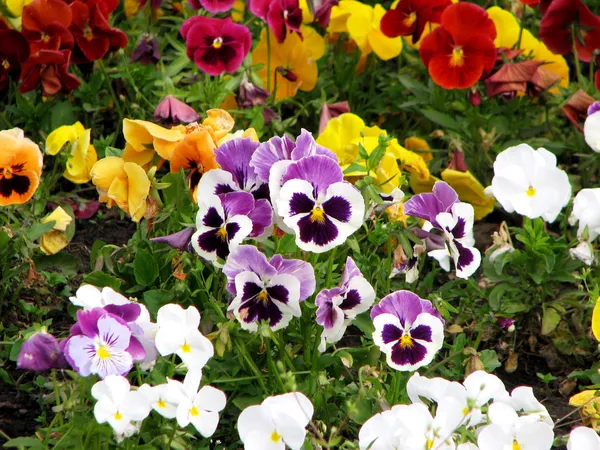
Pansy tea is an aromatic infusion made from the flowering parts of Viola tricolor (commonly called wild pansy, heartsease, or pensée sauvage). In herbal shops, it may appear as “pansy herb,” “herba cum flore” (flowering aerial parts), or simply “pansy tea.” Its flavor is mild, slightly floral, and delicately herbal — perfect for mindful hydration moments, whether hot or iced.
In temperate regions, Viola tricolor is also used as an edible flower for salads and desserts. For tea preparation, focus on dried flowers and flowering aerial parts of Viola tricolor. Avoid confusing it with hybrid ornamental pansies (Viola × wittrockiana): although many cultivars are edible, it’s best to use products specifically labeled for culinary use.
🌿 What Is Pansy Tea and Why It’s So Appreciated
Pansy tea is prepared by infusing the flowers (fresh or dried) or the flowering tops in hot water. The result is a delicate, floral-herbal drink with a golden-yellow color and a light touch of astringency. It pairs beautifully with citrus (lemon, orange), mint, cinnamon, or cardamom, and also makes a refreshing iced beverage.
Sensory profile
- Aroma: gentle floral notes with green undertones.
- Flavor: smooth, subtly astringent, and herbaceous.
- Color: pale yellow to amber.
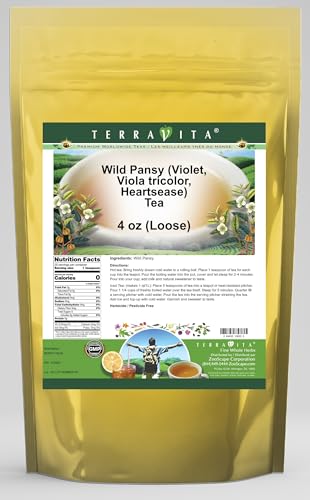
- Traditionally used to help support coughs and stiffness, Wild Pansy is an especially valued supportive for helping suppo…
🍵 Benefits and Culinary Curiosities of Pansy Tea
Without making absolute claims, think of pansy tea as a culinary and sensory ritual — a way to vary hydration, explore new aromas, and enjoy creative herbal blends.
🌸 A mindful ritual: a warm cup of pansy tea invites you to slow down and savor the floral subtleties.
🌸 An elegant edible flower: pansies are used in salads, desserts, syrups, and infusions.
🌸 Interesting nutritional profile: studies on edible flowers highlight the presence of fiber and minerals in Viola species — explaining their color, flavor, and gastronomic interest, without implying medicinal promises.
🌸 Perfect flavor combinations: pansy + lemon for brightness, pansy + apple (in cold infusions) for soda bases, or pansy + ginger for a warming note.
🌸 Traditional and Cultural Uses
Across Europe, Viola tricolor has long been used in traditional infusions and herbal baths. In official herbal references, the flowering aerial part (“herba cum flore”) is recognized for traditional domestic preparation.
The European Medicines Agency (EMA) lists it as a plant traditionally used in infusions and mild topical preparations, emphasizing its historical use and safety when properly identified — always without therapeutic claims.
📊 Nutritional Table — Pansy Flowers (Viola tricolor, 100 g Fresh)
The table below refers to the raw ingredient (fresh flowers), not the prepared tea.
Since infusions are mostly water, actual nutrient content per cup is much lower.
Source: nutritional analysis of edible pansy flowers (Viola tricolor), fresh basis (100 g).
| Component | Amount | %DV* |
|---|---|---|
| Calories | 38.6 kcal | 2% |
| Carbohydrates | 6.53 g | 2% |
| Protein | 2.11 g | 3% |
| Total Fat | 0.44 g | 1% |
| Dietary Fiber (TDF) | 5.09 g | 20% |
| Ash (total minerals) | 1.11 g | — |
| Sodium | 70.9 mg | 3% |
| Potassium | 278.6 mg | 8% |
| Calcium | 123.0 mg | 12% |
| Magnesium | 55.9 mg | 22% |
| Phosphorus | 82.4 mg | 12% |
| Iron | 0.84 mg | 6% |
*Daily Values (DV) based on a 2,000-calorie diet.
📘 Editorial note: Standard nutrient databases (like USDA or TACO) do not include pansy data. These values come from a dedicated compositional study of edible Viola flowers. Natural variations between cultivars and harvest stages are expected.
🍋 How to Prepare Pansy Tea (Practical Recipe)
Yield: 2 cups • Time: 10–15 minutes
Ingredients:
- 1 heaping tablespoon of dried pansy flowers (Viola tricolor, herba cum flore) or 2 tablespoons of fresh flowers
- 500 ml (2 cups) of water
- Optional: lemon or orange slices, cinnamon stick, molasses (or sweetener of choice)
Preparation (infusion method):
- Heat the water until it nearly boils (before a rolling boil).
- Remove from heat, add the flowers, cover, and let steep for 7–10 minutes.
- Strain gently and serve. Adjust flavor with lemon, cinnamon, or molasses if desired.
👉 For detailed infusion vs. decoction techniques and proportions, see: How to Prepare Medicinal Tea Correctly

- This teapot is completely hand crafted, made from heat resistant borosilicate glass, specially designed with non drippin…
- Removable high-grade 18/10 stainless steel mesh infuser filter for loose teas or blooming teas, the lid fits the tea bas…
- This beautiful teapot can be placed directly in the microwave oven or on either gas or electric stove tops, use a medium…
🌺 Flavor Variations
- Citrus-floral: pansy + lemon for a balanced acidity.
- Warm herbal: pansy + cinnamon + ginger slice.
- Iced version: brew, chill, and serve with ice and mint.
🧑🍳 Culinary and Creative Uses
- Floral syrup: simmer water + sugar (or molasses) + flowers; strain and use in mocktails, fruit salads, and puddings.
- Jelly base: use concentrated tea to flavor apple or berry preserves.
- Aromatic reduction: reduce pansy tea with orange juice and a splash of apple cider vinegar for roasted vegetables.
- Herbal ice cubes: freeze concentrated tea for sparkling water.
💆♀️ Cosmetic or Aromatic Use (With Caution)
Some traditional practices mention pansy infusion in herbal baths or compresses for its scent and gentle feel.
Always test on a small skin area, avoid contact with eyes or mucous membranes, and stop use if irritation occurs.
These are folk uses only, with no guaranteed effects.
🌿 Storage and Home Cultivation
Storage of dried herbs or flowers:
- Keep in an airtight jar, away from light, humidity, and heat.
- Use a dry spoon to portion.
- Discard if mold or unusual odor develops.
Growing tips:
- Prefers full to partial sunlight, fertile and moist soil with good drainage.
- Cool climates encourage flowering; in hot regions, provide light shade.
- Harvest clean, intact flowers labeled for culinary use. Dry naturally in a ventilated, shaded area.
⚠️ Safety, Contraindications, and Quality
- Allergy warning: according to the EMA, preparations with Viola tricolor should be avoided by people allergic to salicylates.
- Drug interactions: people using anticoagulants or sensitive to salicylates/coumarins should consult a healthcare professional before regular consumption.
- Pregnancy, breastfeeding, and children: individual evaluation is recommended.
- Quality assurance: always buy labeled products with botanical identification and traceable origin.
- Scientific context: European monographs describe traditional tea use with clear safety boundaries. Some studies explore compounds like cyclotides, but such findings do not translate into proven effects for domestic infusions.
📗 Reference: European Medicines Agency – Viola tricolor Monograph

- HIC Kitchen Tall Mortar And Pestle Set: Grinds spices, herbs, nuts, seeds, and grains into fine paste or powder; ideal f…
- Durable Solid Carrara Marble: Mortar measures 4 x 4-inches, pestle measures 5 x 1.25-inches; tall bowl design offers add…
- Multiple Culinary Uses: Make curry pastes, pesto, guacamole, salsa, chutneys, nut butters, flavored salts, coffee ground…
❓ Frequently Asked Questions (FAQ)
1) Can I use any garden pansy for tea?
Prefer labeled edible flowers (Viola tricolor). Hybrid ornamental pansies (Viola × wittrockiana) vary in composition and should not be used without confirmation.
2) Fresh or dried flowers — which is better?
Dried ones are more practical and consistent; fresh flowers add vibrant aroma. Adjust amounts accordingly (less volume for dried herb).
3) Does pansy tea contain caffeine?
No — it’s naturally caffeine-free and nearly calorie-free when unsweetened.
4) Is it bitter?
It’s usually mild and floral. The subtle astringency is normal and balanced by citrus or short steeping times.
5) Can I mix it with other herbs?
Yes! It pairs beautifully with mint, lemongrass, ginger, or orange peel. Adjust ratios so the floral note remains delicate.
6) How much per cup?
Use 1–2 teaspoons of dried flowers per 200–250 ml (1 cup) of water. Adjust to taste.
7) Are there any major contraindications?
Yes — avoid if allergic to salicylates. People using anticoagulants or with health conditions should consult a professional before use.
🔗 Related Articles
- How to Prepare Medicinal Tea Correctly
- Hibiscus Tea: Benefits and How to Prepare
- Ginger Tea: Benefits and How to Prepare
🌼 Conclusion
Pansy tea is a delicate and elegant infusion that adds floral charm to your wellness routine. It’s perfect for relaxing moments, creative recipes, or simply enriching your daily hydration with natural aromas.
With proper plant identification, safe sourcing, and mindful preparation, this tea becomes a subtle yet inspiring ritual — hot, iced, or in culinary creations.
💚 A small flower, a gentle sip, a natural pause.
Prepare your tea the right way
If you plan to use this plant to make tea, use the Nutritive Blog tea infusion timer. Proper infusion time helps preserve active compounds and ensures better results.
✍️ Author Box
Written by Alexandre Zorek, graduate in Business Administration and postgraduate in Botany.
Passionate about orchids, photography, and natural nutrition, and father of Bianca and Beatriz, he shares reliable and practical knowledge about plants, fruits, teas, and vegetables.