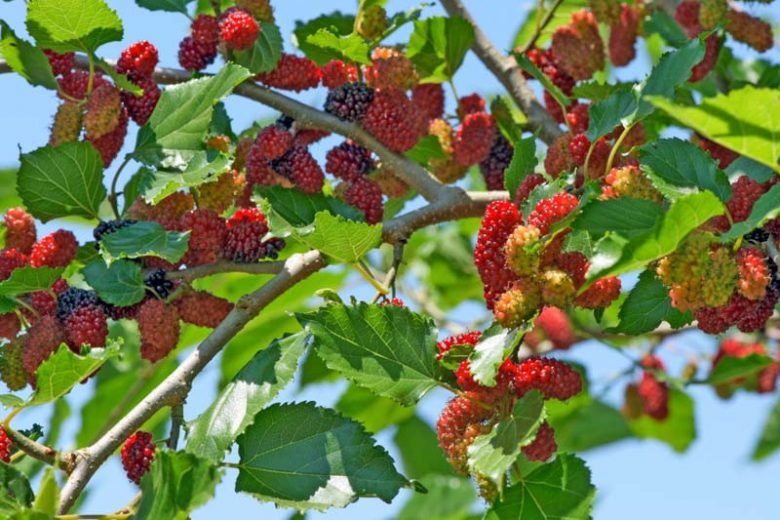
Mulberry leaf tea: discover its benefits, traditional uses, recipe, safety tips, and a detailed nutritional table for fresh and dried leaves.
This guide provides a balanced view of this herbal tea, perfect for your wellness and culinary journey.
Mulberry leaf tea is traditionally made from the leaves of the mulberry tree — usually Morus alba (white mulberry) or Morus nigra (black mulberry). In some regions, it’s also called mulberry tea, white mulberry leaf tea, or té de morera (Spanish). The drink has a mild herbal flavor with slight astringency and pairs beautifully with citrus or spices.
💡 Note: “Mulberry” may also refer to the fruit (Rubus species), but this article focuses on tea made from mulberry leaves (Morus) — the type found in natural stores labeled “mulberry leaf tea.”
🌿 What Is Mulberry Leaf Tea and Why People Love It
Mulberry leaf tea is made by infusing fresh or dried leaves in hot water. The result is a delicate, earthy drink — perfect for calm mornings or refreshing iced versions with fruit and mint.
Its balanced flavor profile makes it suitable for both sweet and savory culinary applications.
Sensory profile:
- Aroma: green, herbal, fresh.
- Flavor: mildly astringent yet smooth.
- Color: pale yellow to amber depending on steep time and concentration.
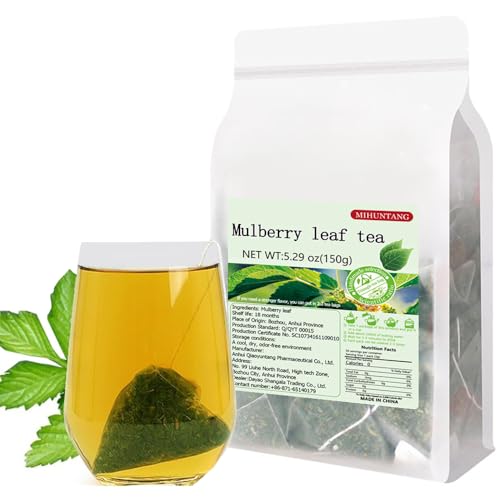
- Mulberry leaf tea is brewed with boiling water, which is clear and bright, fragrant and sweet, fresh and refreshing, esp…
- How to drink | Steep into 250~500ml hot water for 5 mins, enjoy daily white mulberry leaf tea
- As long as the frost tea, after frost, dark color, natural color, dark green curl.
🍵 Benefits and Culinary Uses of Mulberry Leaf Tea
Enjoy mulberry leaf tea as a pleasant daily ritual to vary your hydration and expand your flavor repertoire — without making exaggerated health claims.
🌸 A comforting habit: sipping warm tea creates mindful moments of rest.
🌸 Naturally versatile: pairs with lemon, orange, cinnamon, clove, or ginger.
🌸 Creative in the kitchen: great base for culinary syrups, fruit jelly liquids, or savory reductions for roasted vegetables.
🌸 Nutrient-rich leaves: studies show mulberry leaves contain proteins, minerals, and phenolic compounds that give color and mild astringency — culinary interest, not medical proof.
Traditional and Cultural Uses
In Asian cuisines, mulberry leaves are used in tea, noodles, wines, and desserts — traditions later adopted in many countries, including the Americas. At home, it’s common to soften the tea’s herbal tone with lemon or ginger, creating a pleasant, earthy beverage.
Public health institutions and research centers advise caution with exaggerated health claims, noting that scientific results vary depending on species, part of the plant, and preparation method.
See: NCCIH / NIH – White Mulberry Leaf.
📊 Nutritional Table — Mulberry Leaves (100 g)
The following tables represent the raw ingredient (leaves), not the brewed tea.
In infusions, nutrients are diluted — the beverage itself has negligible calories.
Values are averages from published studies and may vary by species and harvest conditions.
Fresh Leaves (wet basis, 100 g)
Sources: published compositions for fresh mulberry leaves (PubMed).
| Component | Amount | %DV* |
|---|---|---|
| Calories | 78 kcal | 4% |
| Carbohydrates | 10.7 g | 4% |
| Protein | 7.5 g | 10% |
| Total Fat | 1.1 g | 2% |
| Fiber (crude)† | ~3 g | — |
| Sodium | 10 mg | 0% |
| Calcium | 400 mg | 40% |
| Iron | 5.0 mg | 36% |
| Vitamin C | 120 mg | 267% |
† Crude fiber is a laboratory method (Weende) and not equivalent to “dietary fiber” on modern labels.
*Based on a 2,000-calorie diet.
Dried Leaves (dry basis, 100 g)
Sources: analyses of dried/powdered mulberry leaves (PubMed).
| Component | Amount | %DV* |
|---|---|---|
| Calories | ~170 kcal | 9% |
| Carbohydrates | ~20 g | 7% |
| Protein | ~23 g | 31% |
| Total Fat | ~3.5 g | 6% |
| Fiber (NDF)† | ~32 g | — |
| Ash (minerals) | ~16 g | — |
† NDF (neutral detergent fiber) measures fibrous fraction and differs from total dietary fiber.
🍋 How to Prepare Mulberry Leaf Tea (Practical Recipe)
Yield: 2 cups • Time: 10–15 min
Ingredients:
- 1 heaping tablespoon of dried mulberry leaves (Morus alba or M. nigra)
- 500 ml (2 cups) of water
- Optional: lemon slices, cinnamon stick, thin ginger slice, or molasses (or sweetener of choice)
Preparation (infusion method):
- Heat the water until it almost boils.
- Turn off the heat, add the leaves, cover, and steep for 7–10 minutes.
- Strain and serve warm or chilled.
👉 For proper steeping ratios and timing, read: How to Prepare Medicinal Tea Correctly

- ✔ UNLOCK NEW FLAVORS – THE ONLY TEA STRAINER WITH ADVANCED Ultra-Mesh Technology: We tested endless iterations of micro-…
- ✔ UNRIVALED CRAFTSMANSHIP, UNPARALLELED VALUE: While most tea infuser sets are 304 STAINLESS STEEL ‘coated’, ours is SOL…
- ✔ LARGE CAPACITY – MORE TEA FOR EVERYONE: Set includes 2 tea infusers, 2 drip trays and 1 tea scoop. Now you can brew te…
🌺 Flavor Variations
- Citrus balance: add lemon or orange before serving.
- Herbal warmth: blend mulberry leaves with cinnamon and ginger.
- Iced refreshment: chill and serve with ice and mint.
🧑🍳 Culinary and Creative Uses
Culinary syrup: simmer water + sugar (or molasses) + leaves; strain and use in artisanal sodas or desserts.
Jelly base: use strong mulberry tea as the liquid for berry jellies.
Aromatic reductions: reduce the tea with orange juice and a splash of apple cider vinegar to glaze vegetables.
Herbal ice cubes: freeze concentrated tea to add to sparkling water.
💆♀️ Cosmetic or Aromatic Use (with Caution)
Some people use cooled tea in herbal baths or compresses for its earthy scent. Always test on a small skin area first, avoid contact with eyes and mucous membranes, and discontinue use if irritation occurs.
These uses are traditional and not scientifically proven.
🌿 Storage and Home Growing
For dried leaves: store in airtight containers, away from light, heat, and humidity.
Use a clean, dry spoon when portioning and discard any leaves with mold or unusual odor.
For home cultivation:
- Mulberry trees prefer full sunlight and fertile, well-drained soil.
- Water regularly, avoiding soggy roots.
- Harvest mature leaves only from properly identified Morus plants — not ornamental species.
⚠️ Safety and Precautions
- Unsweetened mulberry tea is extremely low in calories per serving.
- People with medical conditions or taking medication should consult a health professional before frequent use.
- White mulberry (Morus alba) has variable scientific results and may interact with certain medications; moderation and medical guidance are advised.
- Pregnant, breastfeeding women and children should seek individual evaluation.
- Stop consumption if any adverse reaction occurs.
❓ Frequently Asked Questions (FAQ)
1) Can I use any “mulberry” for tea?
No — use only Morus leaves (white or black mulberry). The blackberry fruit (Rubus) is unrelated.
2) Fresh or dried leaves — which is better?
Both work. Dried leaves are consistent and easier to store; fresh ones provide a livelier aroma.
3) Does it taste bitter?
A mild astringency is natural. Add lemon or orange to balance it.
4) Can I drink it iced?
Yes! Chill and serve with mint and ice cubes for a refreshing option.
5) Can I blend it with other herbs?
Absolutely. It goes well with ginger, lemongrass, mint, or cinnamon. Adjust ratios to your taste.
6) How much per cup?
Use 1–2 teaspoons of dried leaf per 200–250 ml (1 cup) of water. Adjust to your preference.
7) Does it contain caffeine?
No — it’s a naturally caffeine-free herbal infusion, nearly calorie-free when unsweetened.

- HIC Kitchen Tall Mortar And Pestle Set: Grinds spices, herbs, nuts, seeds, and grains into fine paste or powder; ideal f…
- Durable Solid Carrara Marble: Mortar measures 4 x 4-inches, pestle measures 5 x 1.25-inches; tall bowl design offers add…
- Multiple Culinary Uses: Make curry pastes, pesto, guacamole, salsa, chutneys, nut butters, flavored salts, coffee ground…
🔗 Related Articles
- How to Prepare Medicinal Tea Correctly
- Watercress Tea: Benefits and How to Prepare
- Lettuce Tea: Benefits and How to Prepare
🌼 Conclusion
Mulberry leaf tea is a gentle, aromatic infusion that adds variety, flavor, and creativity to your daily hydration.
With proper leaf selection, mindful preparation, and moderation, it becomes a delicious, balanced part of a healthy routine — hot, iced, or as a culinary ingredient.
💚 Bring a touch of nature to your cup — one sip at a time.
Prepare your tea the right way
If you plan to use this plant to make tea, use the Nutritive Blog tea infusion timer. Proper infusion time helps preserve active compounds and ensures better results.
✍️ Author Box

Written by Alexandre Zorek, graduate in Business Administration and postgraduate in Botany.
Passionate about orchids, photography, and natural nutrition, and proud father of Bianca and Beatriz, he shares reliable and practical knowledge about plants, fruits, teas, and vegetables.