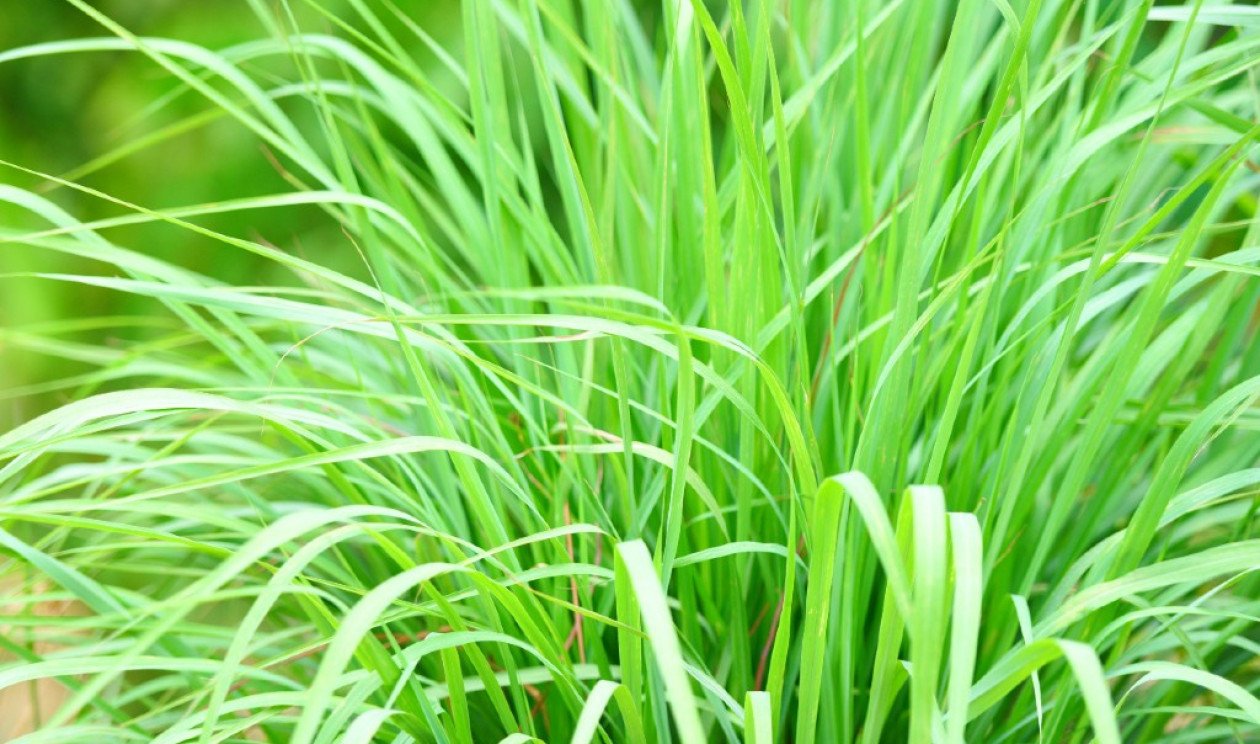
Lemongrass Tea: Safe Preparation, Culinary Benefits, and Leaf Composition (100 g).
Lemongrass tea — also known as citronella grass, barbed wire grass, or fever grass — is made from the leaves of Cymbopogon citratus. In some regions, “lemongrass” may refer to different species (such as Melissa officinalis or Lippia alba), so it’s important to check the scientific name on the label to know exactly which plant you’re brewing.
If you’re looking for a light, caffeine-free drink, lemongrass tea offers a pleasant citrus-herbal flavor that pairs beautifully with lemon peel, ginger, or cinnamon. The infusion itself is basically aromatic water — very low in calories — ideal for mindful pauses throughout the day.
As with any aromatic herb, lemongrass should be used mindfully. Official Brazilian pharmacopeia guidelines recommend infusion with dry leaves in standardized proportions (see recipe below), as well as caution for sensitive groups — such as pregnant or breastfeeding women and people with medical conditions.
⚠️ Disclaimer: This content is for informational purposes only and does not replace professional medical or nutritional advice.
🌿 Lemongrass Tea: Aroma, Flavor, and Appeal
Lemongrass tea delivers a clean lemon-like aroma with a green herbal note and a mild, non-bitter taste. Short infusions yield a clear, refreshing beverage; longer steeping brings out resinous undertones and a pale yellow hue.
Sensory Profile (light infusion):
- Aroma: bright, citrusy, and green.
- Flavor: mild lemon-herbal with soft sweetness.
- Pairs well with: lemon peel, orange zest, ginger, cinnamon, or mint.
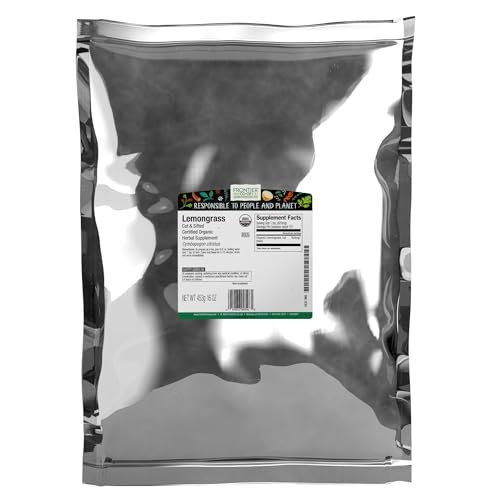
- PURE & NATURAL: Our dried lemongrass is organically cultivated and meticulously dried to maintain its genuine flavor and…
- VERSATILE USES: Elevate your culinary delights with organic lemongrass. Ideal for seasoning curries, lemongrass tea, its…
- USDA CERTIFIED ORGANIC: Cultivated in Sri Lanka, our USDA certified-organic and kosher lemon grass assures authenticity….
🍋 Benefits and Culinary Uses of Lemongrass Tea
🌼 Caffeine-free ritual: a warm cup creates calm, mindful moments after meals.
🌼 Culinary versatility: infuses syrups for mocktails, dessert sauces, and even rice or couscous water for an aromatic twist.
🌼 Natural aroma: the characteristic scent comes from essential-oil compounds such as citral, which gives lemongrass its lemony fragrance. Use leaves for infusions; essential oil is highly concentrated and not intended for ingestion.
🌸 Traditional and Cultural Uses
In Brazil and across tropical regions, lemongrass tea is a household classic — often enjoyed warm in the evening, iced with lemon, or used in aromatic herbal baths. Government monographs list standardized infusion methods to ensure safe proportions when preparing it for drinking.
📊 Nutritional Table — Raw Lemongrass Leaves (100 g)
These values refer to the raw leaf material (the culinary ingredient), not the prepared beverage. Once infused, the nutrients are highly diluted, and the tea remains virtually calorie-free.
Source: USDA FoodData Central / MyFoodData (“lemongrass, raw”).
| Component | Amount (per 100 g) | % DV* |
|---|---|---|
| Calories | ~99 kcal | 5% |
| Carbohydrates | 25.3 g | 8% |
| Protein | 1.8 g | 2% |
| Total Fat | 0.5 g | 1% |
| Sodium | 6 mg | 0% |
| Potassium | 723 mg | 21% |
| Calcium | 65 mg | 7% |
| Iron | 8.2 mg | 59% |
| Magnesium | 60 mg | 23% |
| Phosphorus | 101 mg | 14% |
| Vitamin C | 2.5 mg | 6% |
*Percent Daily Values based on a 2,000 kcal diet.
🍵 How to Prepare Lemongrass Tea (Safe and Practical Recipe)
Yield: 2 cups • Total Time: 7–10 minutes
Ingredients
- 2–3 teaspoons (≈ 2–3 g) of dried Cymbopogon citratus leaves
- 500 ml (≈ 2 cups) of water
- Optional: lemon peel (no white pith) and a thin slice of ginger
Instructions
- Heat the water until just before boiling.
- Turn off the heat, add the leaves (plus lemon or ginger if desired), cover, and steep for 6–8 minutes.
- Strain gently and serve warm or iced.
💡 For proportion and method mastery, see our guide: How to Prepare Medicinal Tea Correctly
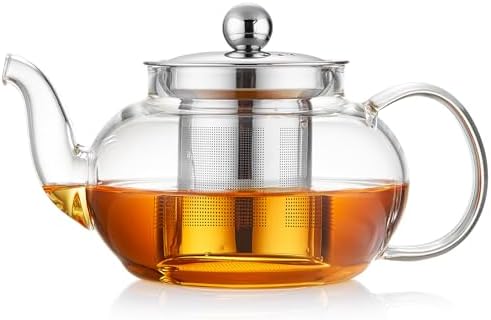
- Durable Glass Teapot with Infuser: This teapot is made from heat-resistant borosilicate glass, ensuring safe use on stov…
- Microwave & Stovetop Safe Glass Teapot: Designed for convenience, this glass teapot with infuser is safe for microwave a…
- High-Quality Stainless Steel Infuser: The removable stainless steel infuser is perfect for brewing loose tea, blooming t…
🍹 Flavor Variations
- Citrus freshness: finish with lemon and ice.
- Cozy herbal blend: lemongrass + ginger + cinnamon.
- Citrus syrup: reduce equal parts tea and sugar into a light syrup for mocktails or fruit toppings.
🧑🍳 Culinary and Cosmetic Uses
In the kitchen:
Use the infusion to flavor rice, fruit compotes, or homemade ice cubes for water and cocktails. Fresh leaves can season marinades or broths (remove before serving).
Cosmetic / aromatic:
Cold lemongrass infusion is often used in traditional herbal baths for its pleasant scent. Always patch-test first, avoid eyes and mucous membranes, and discontinue use if irritation occurs.
⚠️ Essential oils are highly concentrated — never ingest and always dilute before topical use.
🌿 Storage and Home Cultivation
Dry leaves: store in airtight containers away from light and humidity. Discard if moldy or with off-odor.
Home growing: prefers full sun, fertile soil, and good drainage. Harvest young leaves (more aromatic), wash, and dry in shade before storing.
Identification tip: for lemongrass flavor, ensure the label reads Cymbopogon citratus — not other “cidreira” plants.
⚠️ Safety and Contraindications
- Sensitive groups: concentrated lemongrass infusions are not recommended for pregnant or breastfeeding women and minors under 18 without professional advice.
- Possible drowsiness: high doses may cause mild sedation; avoid combining with sedatives or using excessive amounts.
- Medical conditions: people with heart, kidney, or liver disease should seek medical guidance before regular use.
- Essential oil caution: highly concentrated; do not ingest and always dilute for topical products.
❓ Frequently Asked Questions (FAQ)
1) Is lemongrass the same as lemon balm?
No. Lemon balm (Melissa officinalis) and lemongrass (Cymbopogon citratus) are different plants. Check the scientific name on the label.
2) Does it contain caffeine?
No — it’s a naturally caffeine-free herbal infusion.
3) Can I drink it daily?
Enjoy in moderation. Treat it as an aromatic beverage and consult a professional if you’re pregnant, breastfeeding, or on medication.
4) What’s the best preparation method?
Infuse dried leaves (1–3 g per 150 ml water) for 5–10 minutes; adjust to taste.
5) Can I use fresh leaves?
Yes. They provide strong aroma but vary in intensity. Start with a small amount and adjust.
6) Can I cook with lemongrass?
Absolutely. Use the infusion in sauces, syrups, or grains — remove the whole leaves before serving.

- MEASUREMENTS AND BENEFITS: With a 6 inche diameter, this Granite Molcajete is perfect for preparing small to medium size…
- DURABLE CONSTRUCTION: Crafted from durable granite with a natural finish, this mortar and pestle set is easy to clean, o…
- FUNCTIONALITY & SIZE: With a 6 inche diameter, granite construction, and natural finish, this Molcajete Spice Grinder bl…
🔗 Related Articles
- Ginger Tea: Benefits and How to Prepare
- Chamomile Tea: Tradition, Flavor, and Wellness
- How to Prepare Medicinal Tea Correctly
🌼 Conclusion
Lemongrass tea offers a refreshing citrus aroma and gentle flavor, perfect for caffeine-free hydration. For responsible enjoyment, choose products labeled Cymbopogon citratus, prepare mild infusions, and follow safety recommendations.
Whether hot, iced, or used in culinary blends, lemongrass tea brings balance and brightness to your day.
💚 Experience the natural freshness — one sip at a time.
Prepare your tea the right way
If you plan to use this plant to make tea, use the Nutritive Blog tea infusion timer. Proper infusion time helps preserve active compounds and ensures better results.
🖋️ Author Box

Written by Alexandre Zorek, graduate in Business Administration with postgraduate studies in Botany. Passionate about orchids, photography, and natural nutrition — and father of Bianca and Beatriz — he shares reliable, accessible knowledge about plants, fruits, teas, and vegetables.