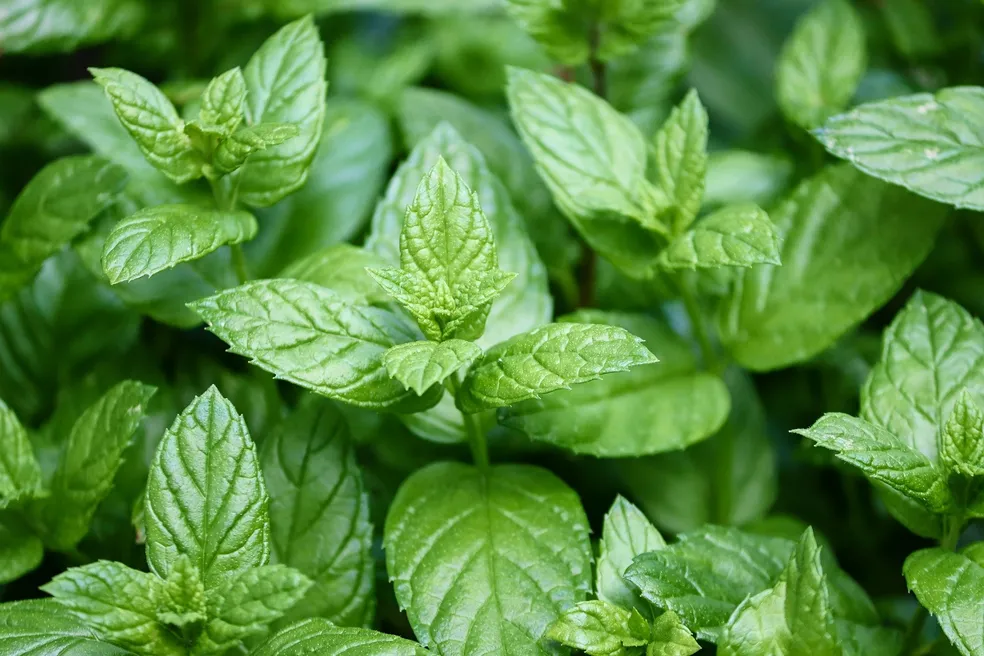
Peppermint tea is one of nature’s most refreshing and versatile infusions. Made from the leaves of Mentha × piperita—a hybrid between spearmint and watermint—this tea is famous for its bold menthol flavor, unmistakable aroma, and instantly cooling sensation.
In many countries, it’s simply known as “mint tea,” but the most popular and widely used variety worldwide is peppermint, rich in menthol—an essential compound responsible for its distinctive aroma and soothing freshness.
Besides its delightful flavor, peppermint tea is an excellent way to stay hydrated, bringing lightness and relaxation to your daily routine—whether enjoyed hot on a cold morning or iced during warm afternoons.
🌿 What Is Peppermint Tea?
Peppermint tea is an herbal infusion made from fresh or dried leaves of Mentha × piperita. Unlike milder mints, this variety has a strong flavor and invigorating fragrance, turning a simple cup of tea into a full sensory experience.
The plant belongs to the Lamiaceae family—the same as basil, rosemary, and sage—and thrives in temperate climates, adapting well to garden beds and indoor pots across the United States.
💚 Sensory Profile
- Aroma: intense, mentholated, and refreshing
- Flavor: slightly spicy, with a prolonged cool sensation
- Color: light green to amber, depending on steeping time
This combination makes peppermint tea perfect for moments of relaxation, mental clarity, or simply enjoying a light and aromatic beverage any time of day.
🍵 Peppermint Tea Benefits and Culinary Curiosities
Peppermint tea is more than a drink—it’s a sensory ritual that unites freshness, aroma, and versatility. Beyond its comforting flavor, peppermint is a popular kitchen ally.
Here are some of its main highlights:
- Natural freshness: menthol in the leaves stimulates cold receptors, producing an immediate cooling effect.
- Aromatherapy at home: the rising steam carries a revitalizing scent that soothes the senses after a long day.
- Hydration support: an excellent alternative to sugary drinks, keeping your hydration both healthy and pleasant.
- Culinary multitasker: mint leaves enhance desserts, fruit salads, smoothies, sauces, and mocktails.
- Thermal flexibility: delicious hot in winter or iced in summer—the true “four-season tea.”
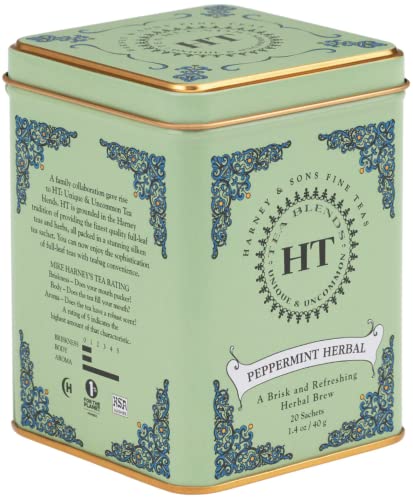
- No Artificial Ingredients
- Does not Contain Refined Sugar
- Refreshing flavor
🌸 Traditional and Cultural Uses
Peppermint has been appreciated for centuries across civilizations. In Ancient Egypt, its leaves were valued for their pleasant aroma; in medieval Europe, they were used in culinary recipes and herbal remedies; and today, peppermint remains a beloved ingredient in teas, candies, cosmetics, and home remedies.
In the U.S., peppermint tea is part of countless homes’ evening routines—a symbol of calm and balance.
These uses are part of cultural and culinary traditions and do not represent medical claims.
📊 Nutritional Composition of Peppermint (per 100 g of fresh leaves)
While brewed tea contains diluted nutrients, peppermint leaves are naturally rich in plant-based aromatic compounds such as menthol, menthone, and flavonoids.
| Component | Amount (100 g) | %DV* |
|---|---|---|
| Energy | 70 kcal | 4% |
| Carbohydrates | 15 g | 5% |
| Protein | 3.8 g | 5% |
| Total fat | 0.9 g | 1% |
| Fiber | 8 g | 32% |
| Calcium | 240 mg | 24% |
| Iron | 5 mg | 36% |
| Magnesium | 80 mg | 20% |
| Potassium | 570 mg | 12% |
| Vitamin A | 212 µg | 24% |
| Vitamin C | 30 mg | 67% |
*Approximate daily values based on a 2,000-calorie diet.
Source: USDA FoodData Central and TACO/Unicamp database.
🍋 How to Prepare Peppermint Tea
Yield: 2 cups
Preparation time: 10 minutes
Ingredients:
- 1 tablespoon of dried peppermint leaves (or 10 fresh leaves)
- 500 ml (2 cups) of filtered water
- Optional: lemon slices, a small piece of ginger, or honey/brown sugar
Preparation:
- Heat the water until small bubbles start to appear (before boiling).
- Add the peppermint leaves, cover, and steep for 7–10 minutes.
- Strain and serve hot or iced.
- Sweeten lightly or add lemon for extra brightness if desired.
💡 Tip: For iced tea, refrigerate the infusion and serve over ice with fresh mint leaves.

- Important Note for Built to Last: Please clean and keep dry after use
- Made of 304 grade stainless steel, long lasting durability for a long time use. (The rivet is made of aluminum. Remember…
- Get the job done and easy to clasp shut, brew your leaf tea with ease
🌺 Delicious Variations
- Peppermint tea with lemon: bright and citrusy.
- Peppermint and ginger: warming and energizing.
- Peppermint and chamomile: soothing blend for bedtime relaxation.
🧑🍳 Culinary Uses and Creative Ideas
Peppermint brings freshness to the kitchen beyond the teacup. Try these ideas:
- Infused water: add fresh leaves to a pitcher with lemon slices and cucumber.
- Desserts: chopped leaves give a fresh twist to fruit salads and lemon mousse.
- Sauces and syrups: mix with yogurt or drizzle over desserts and grilled chicken.
- Mocktails: use chilled peppermint tea as a refreshing base for non-alcoholic drinks.
👉 Keep reading: Ginger Tea: Benefits, Uses, and How to Make
💆♀️ Cosmetic and Aromatic Uses (With Caution)
Traditionally, cold peppermint tea is used in herbal baths and compresses for its invigorating scent. Some people also use it as a light scalp rinse to refresh the skin.
⚠️ Caution: Avoid direct contact with eyes and always patch test before applying to skin. These uses are traditional and not scientifically proven.
🏡 Storage and Cultivation Tips
Storage:
- Keep dried leaves in an airtight glass jar, away from heat, light, and moisture.
- Fresh leaves last up to 5 days in the fridge wrapped in paper towels inside a sealed container.
- Freeze chopped leaves in ice cube trays with a little water for later use.
Cultivation:
- Peppermint grows best in full to partial sunlight with moist but well-drained soil.
- Perfect for home gardens or pots—just watch its spreading roots!
- Harvest about 60 days after planting, when leaves are bright and aromatic.
⚠️ Precautions and Contraindications
- Peppermint tea is generally safe but should be enjoyed in moderation.
- People with acid reflux or sensitive stomachs may prefer milder teas.
- Pregnant and breastfeeding women, as well as children, should seek professional advice before regular use.
- Avoid excessive consumption, as high menthol content may cause mild discomfort in some individuals.

- Handy Kitchen Tool – Enjoy the rich flavors of fresh ground spices, paste, or herbs with our grinder mortar pestle set. …
- Crafted to Last – Made of solid marble stone, our molcajete bowl won’t easily break or crack even with frequent use. The…
- Beautiful Pill Crusher Set – The stone mortar and pestle are all white with gray accents and a smooth outer finish. This…
❓ Frequently Asked Questions (FAQ)
1. Can I drink peppermint tea every day?
Yes, but it’s best to alternate with other herbal teas for variety.
2. Can I use any type of mint?
You can, but peppermint is the most aromatic and flavorful.
3. Is it good iced?
Absolutely! It’s one of the best herbal teas for hot summer days.
4. Can I sweeten it?
Yes, but it’s best to enjoy its natural flavor when possible.
5. Can I mix it with other herbs?
Yes—chamomile, ginger, lemongrass, and hibiscus pair beautifully.
🔗 Related Articles
- Ginger Tea: Benefits, Uses, and How to Make
- Chamomile Tea: Tradition, Flavor, and Wellness
- How to Prepare Herbal Tea the Right Way
🌼 Conclusion
Peppermint tea is simple, aromatic, and uplifting. With its cool menthol flavor and energizing aroma, it brings balance and freshness to everyday life.
Easy to make and full of character, it’s a versatile beverage that fits into every season—hot, iced, or blended into culinary creations.
💚 Try adding peppermint tea to your daily routine and feel the difference that natural freshness can bring!
Prepare your tea the right way
If you plan to use this plant to make tea, use the Nutritive Blog tea infusion timer. Proper infusion time helps preserve active compounds and ensures better results.
✍️ Author Box

Written by Alexandre Zorek, graduate in Business Administration and postgraduate in Botany. Passionate about orchids, photography, and natural nutrition, father of Bianca and Beatriz, he shares reliable, easy-to-understand knowledge about plants, fruits, teas, and vegetables.