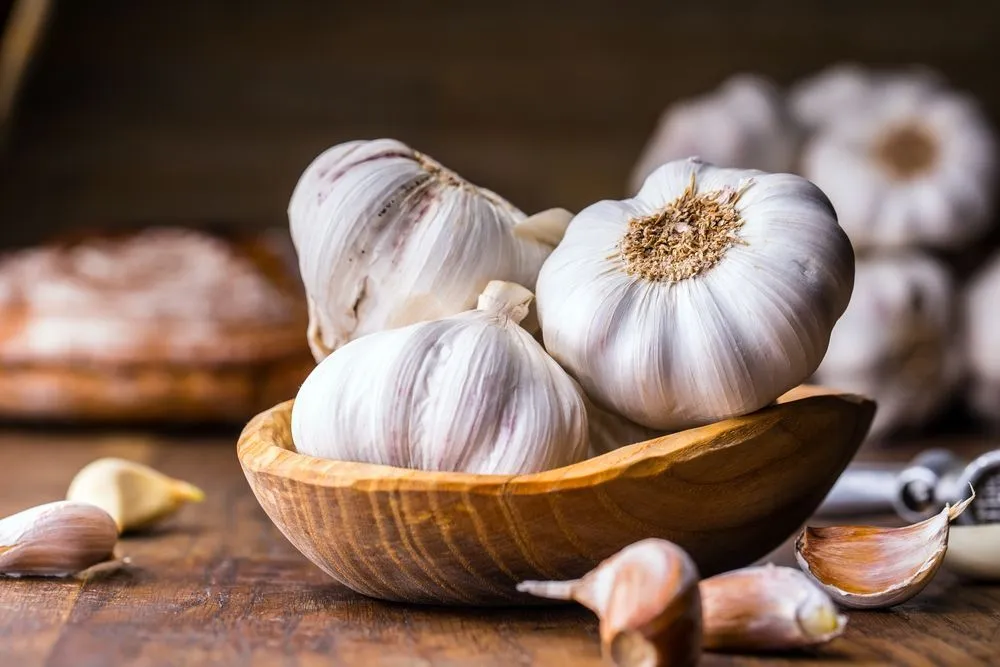
Garlic tea is an aromatic infusion made from the cloves of the Allium sativum plant. Its flavor is bold, slightly spicy, and earthy — perfect for adding character to your hydration routine, especially on cold days or as a comforting mid-afternoon pause.
Across different regions, garlic appears under names like garlic (English) and ajo (Spanish). In the U.S., this ingredient is a kitchen staple, present in both home and professional cooking — raw, roasted, or infused in hot water to create a tea that’s as distinctive as it is aromatic.
In this guide, you’ll discover garlic tea benefits, cultural and culinary curiosities, practical recipes, conservation and growing tips, plus an FAQ section to clear common doubts.
⚠️ Disclaimer: This content is for informational purposes only and does not replace professional medical or nutritional advice.
🌿 What Is Garlic Tea and Why It’s So Popular
Garlic tea is made by infusing (or, for a stronger flavor, briefly simmering) garlic cloves in hot water. The result is a spicy, earthy, and fragrant drink that pairs beautifully with lemon, molasses, and spices such as cinnamon or clove.
If you’re still learning how to balance infusion and decoction methods, see our complete guide:
👉 How to Prepare Herbal Tea Correctly
Sensory Profile
- Aroma: Intense, earthy, with characteristic sulfur notes
- Flavor: Mildly spicy warmth
- Color: Pale yellow to golden, depending on steeping time
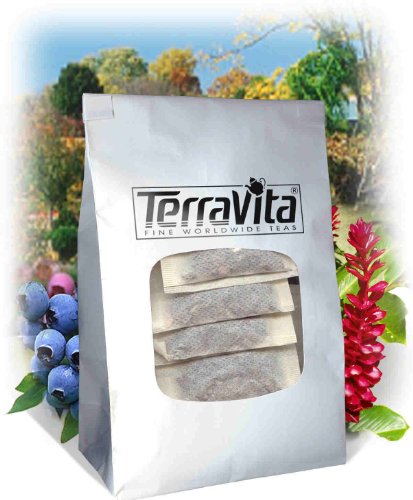
- Garlic (Certified Organic) Tea (50 tea bags, ZIN: 517701)
- No fillers.
- Manufacturer: TerraVita
🍵 Garlic Tea Benefits and Culinary Insights
Instead of thinking of it as a cure, think of garlic tea as a flavorful habit that enriches your hydration routine and brings an aromatic edge to the kitchen.
- Comfort ritual: A warm cup of garlic tea offers a mindful pause in your day.
- A kitchen chameleon: The same garlic that enhances sauces also transforms into broths, savory syrups, and marinades.
- Winning pairings: Garlic + lemon for brightness, garlic + ginger for warmth, or garlic + fresh herbs (parsley, scallion) for light soups.
- Flavor impact: Even in small amounts, garlic gives a strong personality to teas and recipes.
💡 Want to enhance your tea ritual with warm spices? Try pairing garlic tea with Ginger Tea or Hibiscus Tea for aromatic variety.
🌸 Traditional and Cultural Uses
Garlic has been a culinary essential for millennia — from Mediterranean bread and sauces to Asian curries and Latin American stews. In many cultures, garlic tea appears as a homemade infusion, flavored with citrus and spices. These are expressions of cultural tradition and not medical claims.
📊 Nutritional Table – Garlic (100 g raw cloves)
The following table refers to raw garlic (100 g), not the brewed tea. Because garlic tea is an aqueous infusion, the nutrient content per cup is very low.
Values based on a 2,000 kcal diet.
| Component | Amount (100 g) | %DV* |
|---|---|---|
| Energy | 113 kcal | 6% |
| Carbohydrates | 23.9 g | 8% |
| Protein | 7.0 g | 9% |
| Total Fat | 0.2 g | 0% |
| Fiber | 4.3 g | 17% |
| Sodium | 5 mg | 0% |
| Potassium | 535 mg | 15% |
| Calcium | 14 mg | 1% |
| Magnesium | 21 mg | 5% |
| Iron | 0.8 mg | 6% |
| Vitamin C | 10 mg | 22% |
📖 Source: USDA FoodData Central / Adapted from TACO (Brazilian Food Composition Table).
🍋 How to Prepare Garlic Tea (Easy Recipe)
Yield: 2 cups • Time: 10–15 minutes
Ingredients
- 1 to 2 garlic cloves (crushed or sliced)
- 500 ml (2 cups) of water
- Optional: lemon slices, a thin piece of ginger, cinnamon stick, or molasses
Method (Gentle Infusion)
- Heat the water until it just starts to bubble (don’t boil).
- Remove from heat, add the garlic, and cover.
- Let steep for 7–10 minutes.
- Strain and serve. Add lemon, ginger, or molasses if desired.
Stronger variation (Quick Decoction):
Add garlic directly to water and boil for 1–2 minutes, then let rest covered for 5–7 minutes. This method results in a bolder flavor.
👉 To master infusion vs. decoction, read: How to Prepare Herbal Tea Correctly

- COMPLETE 10-PIECE TEA SET — 35 oz / 1000 ml hand-crafted borosilicate glass teapot, removable 18/8 stainless-steel infus…
- CRYSTAL-CLEAR BOROSILICATE GLASS — Made from lead-free, BPA-free borosilicate glass rated to 1022°F. Watch your blooming…
- STOVETOP, MICROWAVE AND DISHWASHER SAFE — Heat water directly on your gas stove or electric cooktop, reheat in the micro…
🌺 Flavor Variations
- Citrus Refresh: Garlic + lemon, served hot or cold.
- Cozy Blend: Garlic + ginger + cinnamon.
- Green and Aromatic: Finish with fresh mint leaves.
🧑🍳 Creative Culinary Uses for Garlic Tea
- Aromatic Broth Base: Infuse crushed garlic in water to use as a light base for soups and steamed vegetables.
- Savory Syrup for Finishing: Reduce water + garlic + a pinch of salt until slightly thick; drizzle over roasted vegetables or grains.
- Cooking Water: Boil potatoes or greens in garlic-infused water for a subtle flavor boost.
- Savory Lemonade: Chill garlic tea, mix with lemon juice and sparkling water, and add a tiny pinch of salt for a bold, culinary-style mocktail.
You can also explore Peppermint Tea for a refreshing post-meal companion.
💆♀️ External and Cosmetic Uses (With Caution)
Garlic sometimes appears in traditional herbal baths or compresses, but it can irritate the skin and mucous membranes. Always perform a small patch test first and avoid eye contact. These are folk uses only, with no proven cosmetic effect.
🏡 Storage and Cultivation Tips
Storage – Garlic Bulbs and Cloves
- Store whole bulbs in a cool, ventilated place, away from sunlight and moisture.
- Once peeled, keep cloves in a sealed container in the refrigerator for up to 5 days.
- Freeze peeled cloves for long-term use — grate them straight from the freezer.
- Homemade garlic oil: keep refrigerated and use within a few days; discard if color or smell changes.
Cultivation (U.S. context)
- Plant cloves in deep pots with well-drained, fertile soil.
- Keep in full sun with regular watering (avoid overwatering).
- Harvest when leaves start to yellow and dry partially, indicating mature bulbs.
⚠️ Precautions and Safety Notes
- Garlic tea has an intense flavor — start with small amounts and adjust to taste.
- People with sensitive stomachs may prefer milder infusions.
- Those taking medication or with health conditions should consult a professional before regular use.
- Pregnant or breastfeeding individuals and children should receive individualized guidance.
- Stop use if you experience irritation or digestive discomfort.
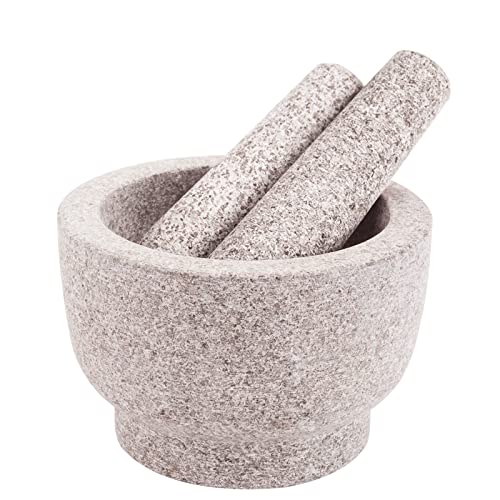
- Kitchen cooking necessities:mortar and pestle set use the ancient grinding method to make the food closer to nature. The…
- Multiple functions:suitable for all kinds of food in the kitchen,such as grinding nuts,seeds,ginger roots and garlic int…
- Rugged and durable:the unpolished granite is well made,retains the strong and durable characteristics of stone,and can r…
❓ FAQ – Garlic Tea
1. Should I crush the garlic first?
Yes — crushing or slicing helps release more aroma and flavor.
2. Can I boil it longer for a stronger taste?
You can, but overboiling makes it bitter. Try 1–2 minutes of boiling, then steep covered.
3. Does it smell strong?
Yes. To soften the aroma, reduce the amount, add lemon or mint, or serve it chilled.
4. Can I sweeten garlic tea?
If desired, use molasses or unrefined sugar alternatives. Prefer unsweetened for daily use.
5. Can I mix it with other herbs?
Yes! It pairs well with Ginger Tea, Lemongrass Tea, or Peppermint Tea.
6. Is it caffeine-free?
Yes, garlic tea is naturally caffeine-free and virtually calorie-free when unsweetened.
7. Can I drink it daily?
That depends on individual tolerance. Vary your beverages and enjoy in moderation.
✅ Continue Exploring
- Ginger Tea: Benefits and How to Prepare
- Hibiscus Tea: Benefits and How to Prepare
- How to Prepare Herbal Tea Correctly
- Peppermint Tea: Benefits and How to Prepare
Prepare your tea the right way
If you plan to use this plant to make tea, use the Nutritive Blog tea infusion timer. Proper infusion time helps preserve active compounds and ensures better results.
✍️ Author Box
Written by Alexandre Zorek, graduate in Business Administration, nutrition student, and postgraduate in Botany.
A passionate lover of orchids, photography, and natural food — and father of Bianca and Beatriz — he shares reliable and practical knowledge about plants, fruits, teas, and vegetables.