If there’s one drink that perfectly combines warmth, spice, and well-being, it’s ginger tea. Made from the rhizome of Zingiber officinale, this golden infusion stands out for its bold flavor and pleasant heat that awakens both body and mind. Across the world, ginger tea benefits have been appreciated for centuries — from Asia to Europe to American kitchens — as a comforting beverage that brings flavor, culture, and a touch of spice to everyday life.
Whether you enjoy it hot on chilly mornings or iced on sunny afternoons, ginger tea fits perfectly into a balanced lifestyle. In this guide, you’ll find everything you need to know — from ginger tea benefits and culinary uses to preparation tips, storage, and frequently asked questions.
What Is Ginger Tea?
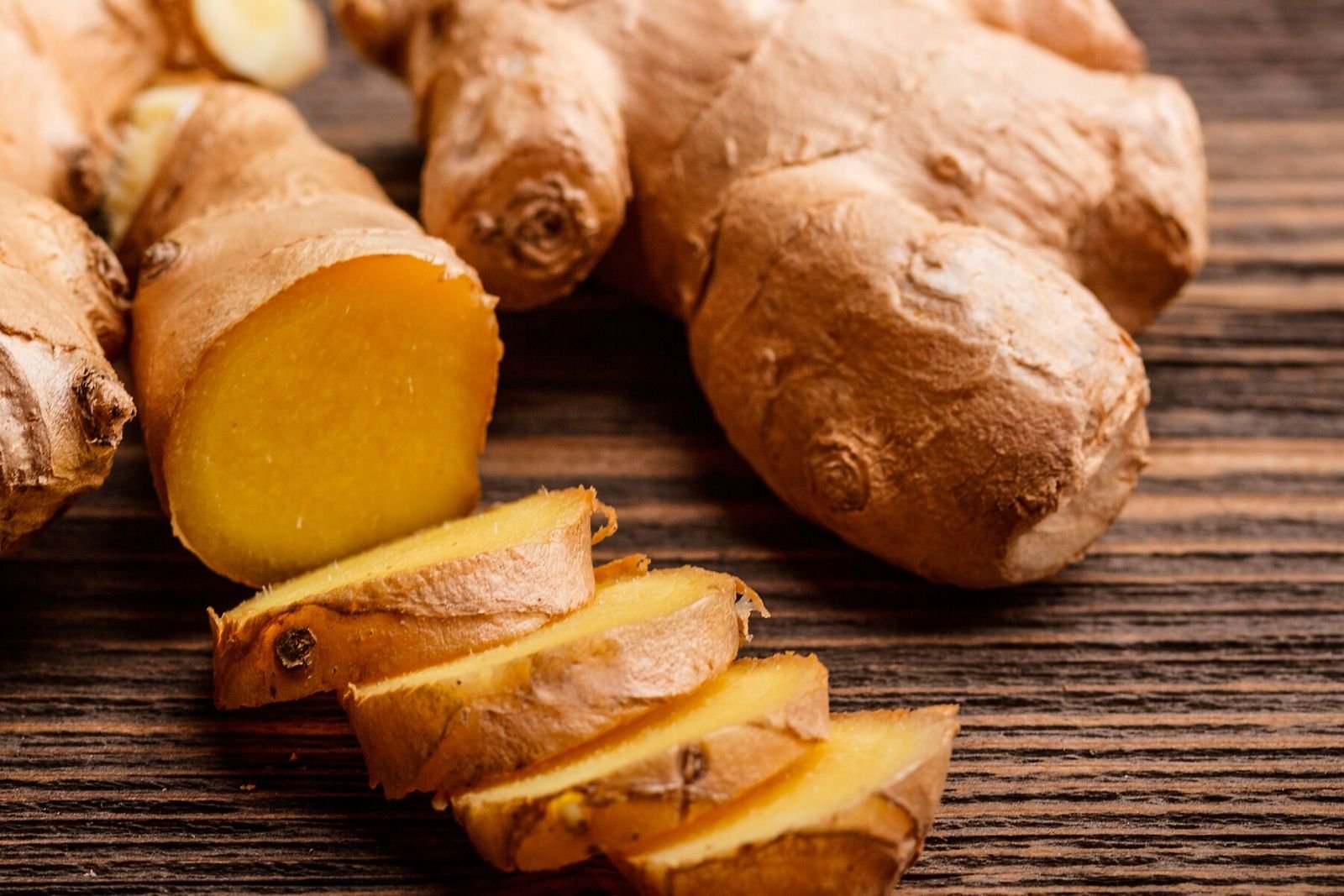
Ginger tea is an infusion made from fresh or dried slices of ginger root. Its unique spicy-citrus aroma comes from natural compounds like gingerol and shogaol. These compounds give ginger its signature warmth and distinct flavor.
It’s a versatile beverage that can be customized: enjoy it pure, with lemon, honey, mint, or even paired with black or green tea. In many U.S. households, ginger tea has become a go-to comfort drink during winter or as a zesty iced tea in the summer.
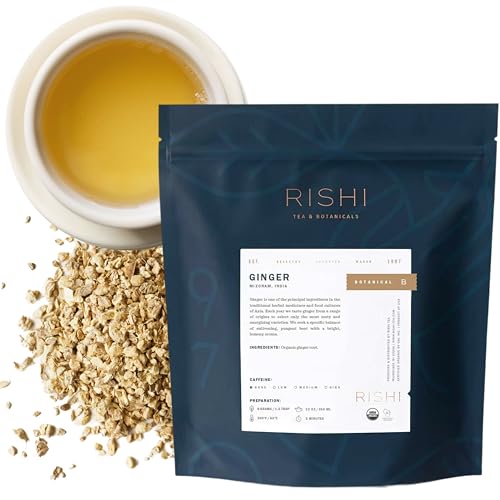
- Ginger Tasting Notes – A balance of enlivening, pungent heat with a bright, lemony aroma and a zesty, energizing flavor
- Savor & Enjoy – Mix 1.5 tbsp, 12 oz water in a teapot. Steep for 5 minutes at 200 degrees F. Repeat Steeping process an …
- Good For Your Health – Rishi’s Loose Leaf Tea is USDA Certified Organic, Certified Kosher, Non-GMO, and grown without th…
Ginger Tea Benefits and Everyday Uses
Before talking about the myths, let’s focus on what people actually experience. Ginger tea benefits are often linked to comfort, hydration, and sensory pleasure rather than promises of cure.
1. A Warm and Comforting Sensation
The spicy compounds in ginger create a gentle warming effect, perfect for cold mornings or cozy evenings.
2. Aromatic and Invigorating
The strong fragrance of ginger can stimulate the senses, helping you feel refreshed and awake — without caffeine.
3. A Delicious Way to Stay Hydrated
Ginger tea makes it easier to drink more fluids throughout the day while adding natural flavor and variety.
4. A Culinary All-Rounder
Beyond the cup, ginger adds brightness to marinades, syrups, and desserts. Many people in the U.S. use leftover ginger tea to flavor smoothies or even soups.
📚 Scientific note: Studies compiled by the U.S. National Institutes of Health (NIH) indicate that ginger contains antioxidants and aromatic compounds that may support general well-being, although it should never replace medical treatment.
Nutritional Profile (per 100 g of raw ginger)
(Values from USDA FoodData Central – approximate daily values for a 2,000 kcal diet)
| Nutrient | Amount | %DV |
|---|---|---|
| Energy | 80 kcal | 4% |
| Carbohydrates | 17.8 g | 6% |
| Protein | 1.8 g | 2% |
| Total fat | 0.8 g | 1% |
| Fiber | 2 g | 8% |
| Vitamin C | 5 mg | 11% |
| Potassium | 415 mg | 9% |
| Magnesium | 43 mg | 10% |
| Iron | 0.6 mg | 4% |
⚠️ The brewed tea contains only traces of these nutrients — its main benefits come from the aroma, hydration, and warming effect.
How to Make Ginger Tea (Hot or Iced)
Serves: 2 cups | Prep time: 10 minutes
Ingredients
- 1 to 2 inches of fresh ginger root (sliced or grated)
- 2 cups (16 fl oz) filtered water
- Optional: lemon slices, cinnamon stick, or 1 tsp honey
Method (Hot Ginger Tea)
- Bring the water to a gentle boil.
- Add the ginger slices and turn off the heat.
- Cover and steep for 7–10 minutes.
- Strain into a mug and add lemon or honey if desired.
Method (Iced Ginger Tea)
- Prepare as above but let it cool to room temperature.
- Pour over ice and garnish with mint or citrus slices.
- Enjoy as a refreshing summer drink with a zesty kick.
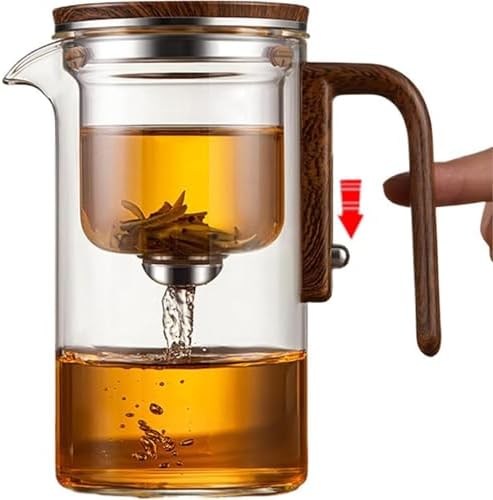
- 【Innovative One-Touch Technology】The Tea Pot features one-touch filtration system that allows you to effortlessly separa…
- 【Enhanced Flavor Control】With our one-touch design, you can easily adjust brewing time to control the strength and flavo…
- 【Heat-Resistant Borosilicate Glass】 Crafted from high-quality, heat-resistant borosilicate glass, this teapot is perfect…
Culinary Uses for Ginger Tea
You can use brewed ginger tea or fresh ginger itself in everyday cooking:
- Marinades: Add to soy sauce, sesame oil, and garlic for a flavorful tofu or vegetable marinade.
- Desserts: Combine with honey and cinnamon for warm fruit toppings.
- Soups: Add a small piece of ginger to carrot or squash soup for depth.
- Homemade syrups: Reduce brewed ginger tea with a bit of sugar to make a drizzle for pancakes or sparkling water.
How to Store and Grow Ginger at Home
Storing Ginger
- Fresh root: Keep unpeeled in the fridge for up to 3 weeks.
- Freezing: Store grated or sliced ginger in freezer bags — grate it directly when needed.
- Dried or powdered: Keep tightly sealed in a cool, dry pantry.
Growing at Home (U.S. Climate)
Ginger grows best in warm, humid regions such as USDA zones 8–12. In cooler states, plant it indoors in a deep pot filled with rich, loose soil. Place near a sunny window and water regularly (keep the soil moist, not soggy). Harvest when the green shoots turn yellow and dry out.
Precautions and Considerations
- Ginger tea has an intense flavor — start mild and adjust.
- People with acid reflux or sensitive stomachs may prefer a lighter brew.
- If you take blood-thinning medication, check with your healthcare provider before frequent use.
- Pregnant or breastfeeding individuals should consult their doctor before drinking concentrated ginger tea.
Remember: these are general lifestyle tips, not medical recommendations.
FAQ – Common Questions About Ginger Tea Benefits
1. Should I use fresh or powdered ginger?
Fresh ginger gives a brighter, more aromatic flavor, while powder is convenient and stronger in taste.
2. Can I boil ginger?
Yes — but long boiling increases bitterness. Steeping in hot water preserves its freshness.
3. Does ginger tea have caffeine?
No. It’s a caffeine-free herbal infusion.
4. Can I drink ginger tea every day?
Yes, moderately — 1 to 3 cups a day works well for most people.
5. Can kids drink it?
A light infusion is fine for older children, but avoid concentrated or spicy versions.
6. Does ginger tea help with digestion or immunity?
It may provide a pleasant sense of warmth and comfort. Scientific research (NIH) is ongoing, and results vary by individual.

- Handy Kitchen Tool – Enjoy the rich flavors of fresh ground spices, paste, or herbs with our grinder mortar pestle set. …
- Crafted to Last – Made of solid marble stone, our molcajete bowl won’t easily break or crack even with frequent use. The…
- Beautiful Pill Crusher Set – The stone mortar and pestle are all white with gray accents and a smooth outer finish. This…
Conclusion
Ginger tea is more than a beverage — it’s a ritual of flavor, warmth, and balance. With its unique aroma and natural spice, it turns any ordinary day into a cozy moment of well-being. By understanding the right proportions, preparation, and storage, you can make this ancient drink part of your modern routine.
👉 Explore more related guides on the Nutritive Blog:
Disclaimer
This content is for informational purposes only and does not replace professional medical or nutritional advice.
Prepare your tea the right way
If you plan to use this plant to make tea, use the Nutritive Blog tea infusion timer. Proper infusion time helps preserve active compounds and ensures better results.
Author Box

Written by Alexandre Zorek, graduate in Business Administration, nutrition student, and postgraduate in Botany.
A passionate lover of orchids, photography, and natural food — and father of Bianca and Beatriz — he shares reliable and practical knowledge about plants, fruits, teas, and vegetables.