Chamomile tea is one of the most popular and widely consumed herbal infusions in the world.
Known for its delicate flavor and floral aroma, it has been part of family traditions across cultures for generations.
From recipes passed down by grandmothers to its presence in modern cafés, chamomile continues to win hearts — not only for its taste but also for its versatility.
In some regions, chamomile tea is also called “chamomile infusion” or simply “herbal tea.”
Technically, it isn’t a “true tea” (since it doesn’t come from the Camellia genus, like green or black tea), but rather an infusion of dried chamomile flowers.
Still, the term “tea” has become universal and widely accepted.
Beyond the cup, chamomile appears in cosmetics, aromatherapy, cooking, and home gardens, since it’s easy to grow and highly adaptable.
With a history dating back to ancient civilizations, chamomile remains a timeless symbol of comfort and simplicity in everyday life.
🌼 Nutritional Table – Chamomile (100 g, dried flowers)
| Nutrient | Amount | %DV* |
|---|---|---|
| Energy | 1 kcal | <1% |
| Carbohydrates | 0.2 g | <1% |
| Proteins | 0 g | 0% |
| Total Fat | 0 g | 0% |
| Fiber | 0 g | 0% |
| Calcium | 2 mg | <1% |
| Iron | 0.08 mg | <1% |
| Magnesium | 1 mg | <1% |
| Potassium | 9 mg | <1% |
*Approximate values — Source: USDA FoodData Central.
🍵 Benefits and Culinary Curiosities
Chamomile is appreciated for its mild, slightly sweet aroma, making it ideal to drink plain or with just a touch of honey.
Interestingly, its flowers can also be used as an ingredient in desserts, artisan bread, and jams, adding a floral note to recipes.
✨ Cultural Highlights
- Comfort in a cup: A warm mug of chamomile tea at night is a soothing ritual in many homes.
- Culinary versatility: Besides tea, it can flavor cake syrups, natural tonics, and cocktails.
- Family tradition: Chamomile tea is often part of nostalgic family memories, passed from one generation to another.
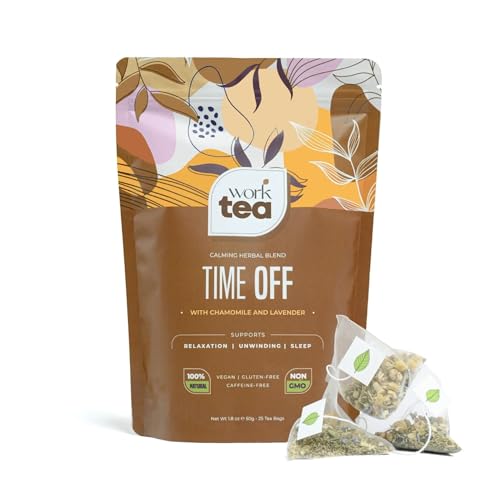
- Evening Calm & Wind-Down Ritual – A gentle caffeine-free blend designed to help you unwind at the end of the day. Featur…
- Sleep-Friendly Herbal Harmony – Formulated to encourage deep relaxation and bedtime readiness without grogginess. Perfec…
- 100% Natural Herbal Blend – Crafted with 100% natural herbs and free from caffeine, sugar, or synthetic additives. Pure,…
🏺 Traditional and Popular Uses
Since Ancient Egypt, chamomile has been cultivated and revered as a special plant.
European civilizations — especially in Germany and England — helped spread its use, and the habit of drinking chamomile infusions remains strong to this day.
In Brazil, chamomile tea is most often enjoyed at night, during moments of calm and rest.
Around the world, it takes on different cultural roles:
- 🇬🇧 In England, it’s part of the herbal tea tradition, served in small sachets.
- 🇩🇪 In Germany, known as Kamillentee, it’s often used in homemade infusions.
- 🌎 Across Latin America, it’s a common household tea, found in markets, fairs, and natural pharmacies.
These traditions show that chamomile tea is more than a drink — it’s a cultural symbol of warmth and well-being.
☕ Simple Chamomile Tea Recipe
Ingredients:
- 1 tablespoon of dried chamomile flowers (or 1 tea bag)
- 200 ml (1 cup) of filtered water
- Honey or lemon to taste (optional)
Preparation:
- Heat the water until small bubbles begin to form (just before boiling).
- Pour over the chamomile flowers or tea bag.
- Cover and let steep for 5–10 minutes.
- Strain if using loose flowers and serve warm.
💡 Tip: Try it cold — chamomile tea also makes a refreshing summer beverage!
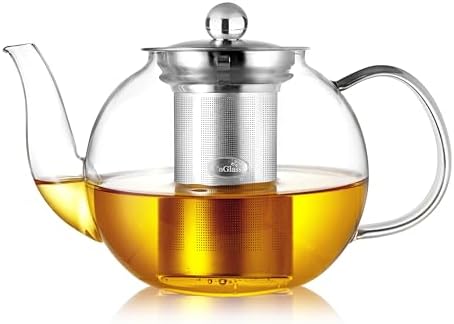
- Stovetop Safe:Durable borosilicate glass teapot used directly in the microwave oven,gas or electric stovetop,use medium …
- Dishwasher Safe:The entire teapot is detachable cleaning and built to last,saving you time on clean up in the kitchen
- Removable Infuser:High-grade 18/10 stainless steel mesh infuser filter for loose teas or blooming teas,the lid fits the …
🌸 Culinary and Cosmetic Uses
🍽️ Culinary Use
Chamomile flowers can enhance desserts, cakes, and homemade jams, adding lightness and a floral touch to recipes.
💧 Cosmetic Use (with Caution)
Traditionally, chamomile is used in hair rinses to brighten light tones and in aromatic baths for relaxation.
⚠️ However, as with any natural preparation, reactions vary. Always test on a small area before applying to skin or hair.
🌱 Cultivation and Storage
Chamomile is easy to grow in pots or small gardens and requires little space.
It thrives in well-drained, sunny soil, and attracts beneficial insects that help protect nearby plants.
Storage tip:
Keep dried chamomile flowers in airtight glass jars in a cool, dark place.
Properly stored, they maintain aroma and properties for several months.
❓ Frequently Asked Questions (FAQ)
1. Can I drink chamomile tea every day?
Yes, daily use is common — just keep it moderate.
2. Can children drink chamomile tea?
Usually safe in small amounts, but it’s best to consult a pediatrician.
3. Is there a difference between bagged and loose-leaf chamomile?
Yes. Loose chamomile retains more flavor and aroma, but both are good options.
4. Does chamomile tea contain caffeine?
No — unlike green or black teas, chamomile is naturally caffeine-free.
5. Can pregnant women drink chamomile tea?
Consult your doctor first. Each case may vary.

- 【High-Quality Stone】Our products are made of natural high-quality marble, artificially polished and polished on the outs…
- 【Kitchen Essentials】Select natural marble, more durable and not rusty than stainless steel mortar, healthier than wooden…
- 【Special Gift】In order to make it more convenient for customers to use, we add accessories such as spoons, brushes, and …
✅ Conclusion
Chamomile tea is more than a beverage — it’s a centuries-old ritual of comfort shared across cultures.
With its mild taste, floral aroma, and wide range of uses, it remains one of the most beloved infusions worldwide.
If you enjoy discovering the stories and flavors behind traditional teas, explore more articles on Nutritive Blog:
⚖️ Disclaimer: This content is for informational purposes only and does not replace professional medical or nutritional advice.
Prepare your tea the right way
If you plan to use this plant to make tea, use the Nutritive Blog tea infusion timer. Proper infusion time helps preserve active compounds and ensures better results.
📌 Author Box
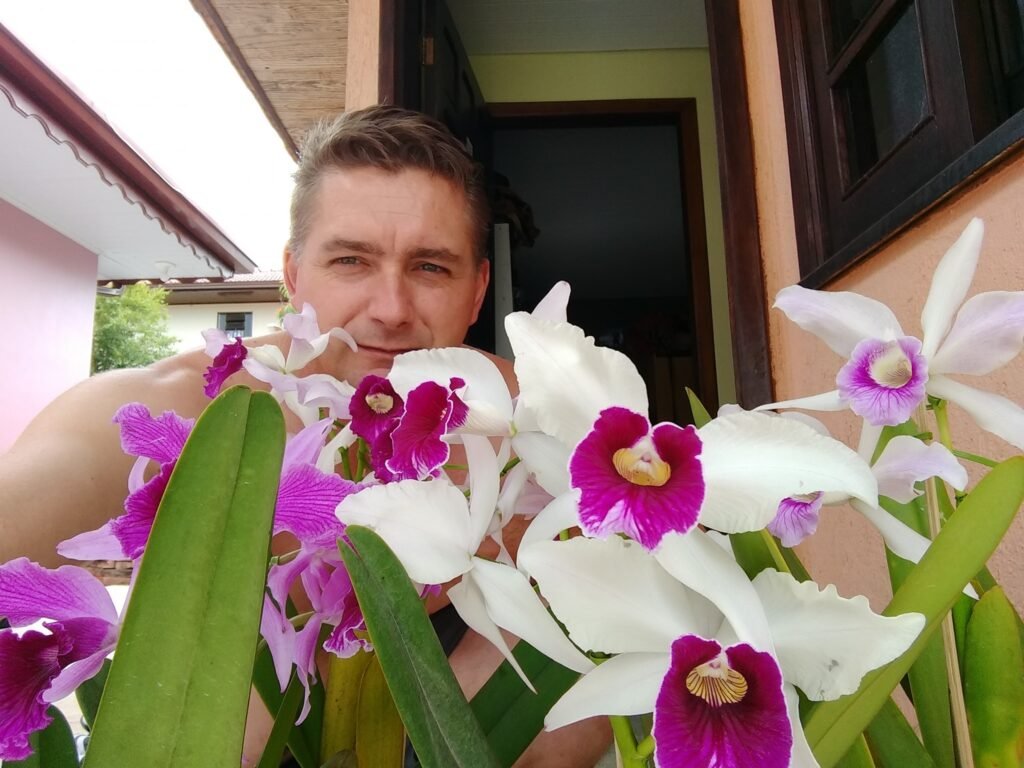
Written by Alexandre Zorek, graduate in Business Administration, nutrition student, and postgraduate in Botany.
A passionate lover of orchids, photography, and natural food — and father of Bianca and Beatriz — he shares trustworthy and practical knowledge about plants, fruits, teas, and vegetables.