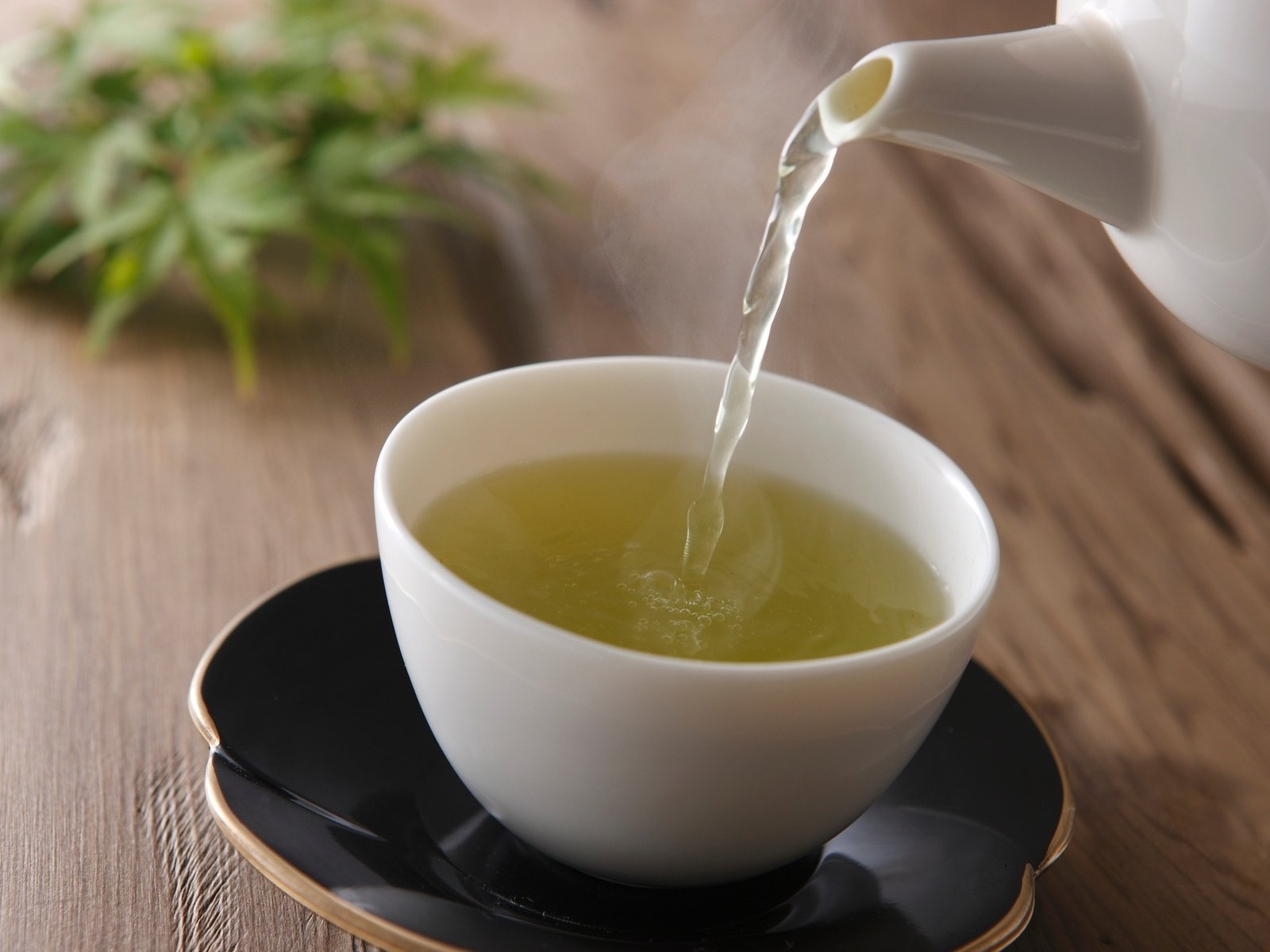
Natural tea preparation is an ancient practice that transcends cultures and generations.
More than just a simple hot beverage, natural teas are a traditional way to enjoy the flavor and beneficial compounds found in plants — offering moments of wellness, calm, and balance.
However, to truly enjoy these benefits, it’s essential to know the proper preparation techniques, the ideal water temperature, the steeping time, and the different methods used — such as infusion, decoction, and maceration.
In this complete guide, you’ll learn how to prepare natural teas effectively and safely, respecting the characteristics of each plant and unlocking their full natural potential.
⚠️ Important Notice: This content is for informational purposes only and does not replace professional medical or nutritional guidance.
☕ Why Preparation Method Matters
The way you prepare tea directly affects how the plant’s compounds are released.
If the water temperature is too high or the steeping time too short, much of the flavor and active properties can be lost.
Different parts of the plant — such as leaves, flowers, roots, bark, or seeds — also require specific care.
Understanding these variations is key to safely and effectively enjoying the best that teas have to offer.
🔥 1. Water Temperature: A Key Factor
🌡️ Recommended Temperature Ranges:
- 70°C to 80°C (158°F–176°F): Ideal for delicate leaves and flowers (e.g., chamomile, lemongrass, lemon balm).
- 85°C to 90°C (185°F–194°F): Recommended for denser leaves (e.g., mint, sage, rosemary).
- 95°C to 100°C (203°F–212°F): Required for roots, seeds, bark, and woody herbs (e.g., ginger, cinnamon, barbatimão bark).
❗ Practical Tip:
If you don’t have a thermometer, turn off the heat when small bubbles start forming — just before the water reaches a full boil.

- Fast Boiling: Experience rapid boiling with this 1500W electric kettle. Get hot water in just 3 minutes, perfect for mak…
- Safety Assured: Ensure safe and worry-free boiling with automatic shutoff and boil-dry protection in this hot water kett…
- Cordless Convenience: Enjoy the freedom to serve anywhere with this cord-free electric water kettle. Leave the base plug…
🍃 2. Tea Preparation Techniques
🔸 Infusion
The most common method, ideal for delicate leaves and flowers.
How to make it:
- Heat water to about 80°C (176°F).
- Add 1 teaspoon of dried herbs (or 2 teaspoons of fresh herbs) per cup.
- Cover and steep for 5–10 minutes.
- Strain and enjoy.
👉 Examples: chamomile, melissa, fennel, hibiscus.
🔸 Decoction
Used for hard parts of the plant, such as roots and bark.
How to make it:
- Place the herbs in cold water (1 tablespoon per cup).
- Bring to a boil.
- Simmer for 10–20 minutes.
- Strain before drinking.
👉 Examples: ginger, cinnamon, barbatimão bark.
🔸 Maceration
Recommended for heat-sensitive plants or slow extraction methods.
How to make it:
- Cover the herbs with cold water.
- Let them rest for 8 to 12 hours.
- Strain before drinking.
👉 Examples: licorice root, flaxseed.
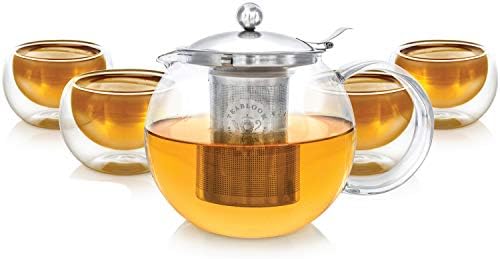
- THE LAST TEA SET YOU WILL EVER NEED. The Classica Teapot was designed to be extremely functional and versatile for years…
- DELIGHT YOUR SENSES WITH CLASSIC DESIGN. The Classica’s simple, clean lines and perfect proportions delight the eye and …
- ENJOY EXCEPTIONAL DURABILITY AND QUALITY. Discerning tea lovers know the benefits of heat-resistant borosilicate glass. …
🌿 3. Tips for Making the Most of Your Herbs
- Always cover the tea while steeping to preserve essential oils.
- Do not reuse herbs that have already been steeped.
- Prefer filtered or mineral water.
- Avoid boiling delicate leaves.
- Store herbs in dark, airtight containers away from light and moisture.
⚖️ 4. Correct Proportions
- Dried plants: 1 teaspoon per cup (about 200 ml).
- Fresh plants: 2 teaspoons per cup.
- Decoctions: 1 tablespoon for every 250 ml of water.
🕒 5. When Should You Drink Tea?
- For relaxation: at night, 30–60 minutes before bedtime.
- For digestion: right after meals.
- For daily wellness: throughout the day, at regular intervals.
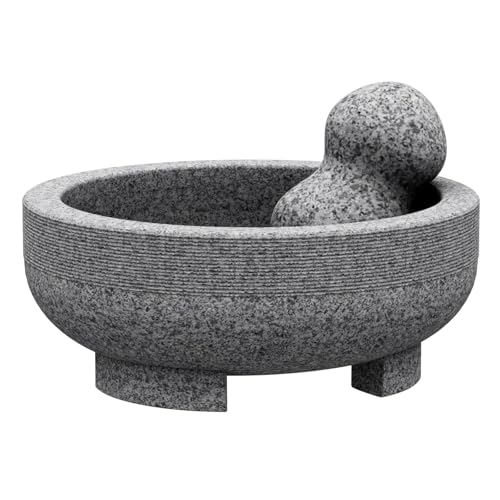
- 100% GRANITE NATURAL STONE : Featuring an 8-inch diameter and 4-cup capacity,this mortar and pestle set are made of 100%…
- MANUALLY GRIND,ORIGINAL FLAVOR:Unleash the full potential of herbs and spices for your homemade guacamole, salsa, and pe…
- EASY TO USE & QUICK CLEAN : this granite mortar and pestle set is not only easy to use but also a breeze to clean,the po…
🚫 6. Precautions and Contraindications
- Pregnant or breastfeeding women and individuals with chronic illnesses should consult a healthcare professional before drinking herbal teas.
- Do not exceed recommended daily intake.
- Continuous use without guidance may lead to unwanted effects.
✅ Conclusion
Knowing how to properly prepare natural tea is an essential step toward enjoying the best of plants safely.
By paying attention to water temperature, steeping time, and which part of the plant you’re using, you’ll have a flavorful beverage full of tradition and natural wellness.
📌 Author Box
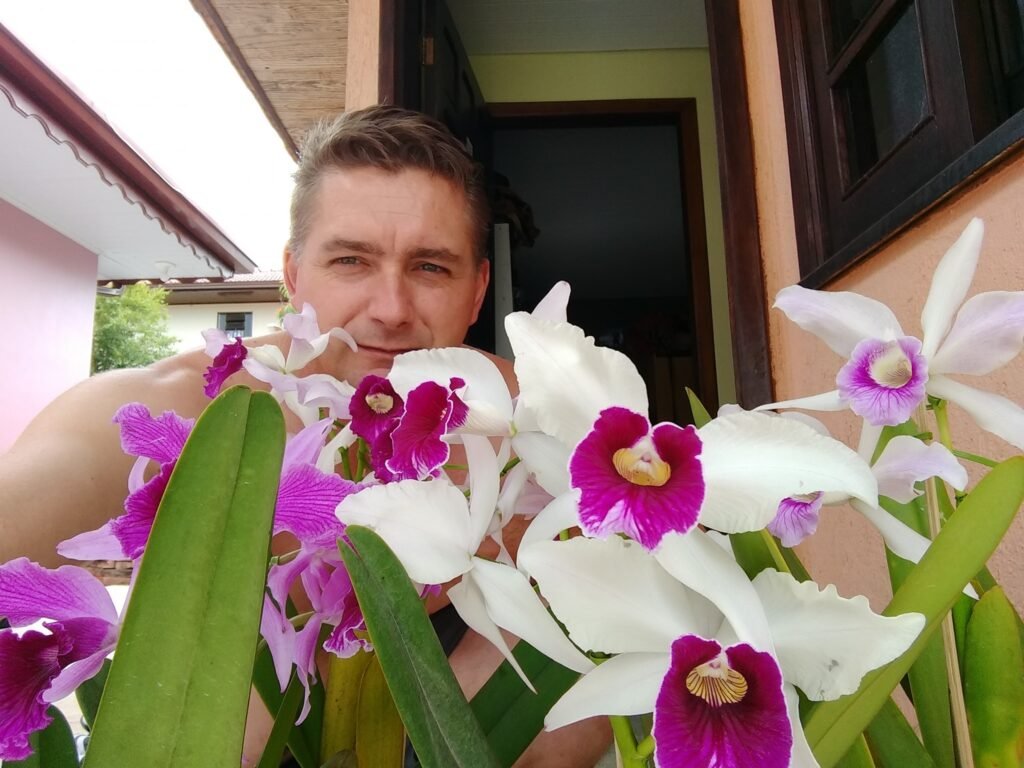
Article written by Alexandre Zorek, graduate in Business Administration with a postgraduate degree in Botany.
A passionate lover of orchids, photography, and natural food — and father of Bianca and Beatriz — he shares trustworthy knowledge about plants, fruits, teas, and vegetables in a clear and practical way.